



Introduction
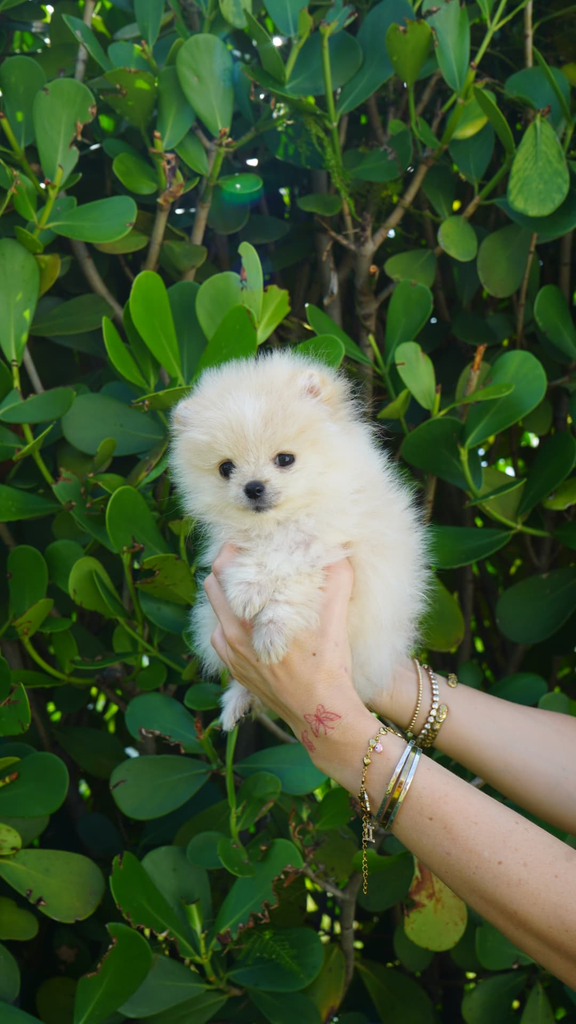
Choosing a new puppy is an exciting decision, but it should never be rushed. Pomeranians are small, fluffy, smart, and full of personality, which makes them popular with many families. However, their cute appearance is only one part of what makes them special. Before looking at pomeranian puppies for sale, it is important to understand their needs, health, behavior, and care requirements. A good choice starts with learning what to expect from the breed and finding a responsible seller or breeder. You should also think about your home, daily routine, budget, and the amount of time you can give to a puppy. Taking these steps can help you avoid common problems and choose a healthy companion. Remember that buying a puppy is a long-term commitment. A little research before bringing one home can make the experience happier for both you and your new Pomeranian.
1. Learn About the Pomeranian Breed
Before choosing a puppy, take time to learn about the Pomeranian breed. Pomeranians are small dogs, but they often have a confident and active personality. They can be playful, alert, affectionate, and very attached to their owners. Because they are intelligent, they can learn commands and household routines when trained with patience. Their small size makes them suitable for many homes, including apartments, but they still need regular exercise and mental activity. Pomeranians also have thick coats that need frequent grooming to stay clean and healthy. Their small bodies can require extra care around young children and larger pets. Understanding these traits helps you decide whether the breed fits your lifestyle. Do not choose a puppy only because it looks adorable in a picture. Make sure you are comfortable with the breed’s energy, grooming needs, training requirements, and personality before making a final decision.
2. Check the Puppy’s Health
Health should be one of your biggest concerns when choosing a puppy. A healthy Pomeranian should appear active, alert, and comfortable. Its eyes should look clear, its coat should be clean, and it should not show obvious signs of illness. Ask the breeder or seller about the puppy’s health history and veterinary care. You should also ask whether the parents have been checked for common breed-related health concerns. A responsible breeder should be willing to provide clear information rather than avoiding your questions. Ask for vaccination and deworming records when available, and arrange a veterinary examination after bringing the puppy home. This can help identify concerns early. Be careful with sellers who make strong health promises without providing records or details. A low price may seem attractive, but unexpected veterinary costs can become expensive later. Choosing a puppy based on health, not just appearance or price, can give you a much better start.
3. Choose a Responsible Breeder or Seller
The person selling the puppy can tell you a lot about its early life. A responsible breeder should care about the health and welfare of the dogs, not simply making quick sales. Ask where the puppies are raised, what they eat, how they are socialized, and whether they receive regular veterinary care. If possible, see the puppy’s living area and observe how the dogs behave. Clean surroundings, healthy-looking animals, and honest answers are positive signs. A good seller should also ask you questions about your home and experience because they want their puppies to go to suitable families. Be cautious if someone refuses to provide basic information, pressures you to pay immediately, or will not let you ask questions. Online listings can contain misleading photos or descriptions, so verify information carefully. When searching for pomeranian puppies for sale, focus on finding a trustworthy source rather than simply choosing the cheapest or fastest option.
4. Look at the Puppy’s Parents
The puppy’s parents can provide useful clues about its future health, size, appearance, and temperament. When possible, ask to meet the mother and learn about the father as well. Seeing the mother can also give you an idea of the environment in which the puppies were raised. Pay attention to how the adult dogs behave. A calm, friendly, and healthy parent can be a positive sign, although every puppy will develop its own personality. Ask whether the parents have received appropriate health checks and whether there is any known family history of health problems. Responsible breeders should be open about these details. You should also be careful about sellers who cannot explain where the puppy came from or who provide very little information about its parents. Genetics are only one part of a puppy’s development, but they matter. Looking beyond the puppy’s fluffy coat and cute face can help you make a more informed and responsible choice.
5. Consider the Puppy’s Temperament
Every Pomeranian has its own personality, so temperament is important when choosing a puppy. Spend some time observing how the puppy reacts to people, sounds, movement, and other puppies. A healthy, well-socialized puppy may show curiosity and interest in its surroundings. It is normal for puppies to be playful, excited, or a little cautious in a new situation. However, extreme fear or unusual aggression may deserve further questions. Ask the breeder how the puppies have been socialized and what experiences they have had. Early positive experiences can help puppies become more comfortable with people and different environments. Think about your own lifestyle as well. If you want an active companion, you may prefer a playful puppy. If your home is quieter, a calmer personality may be easier to manage. Taking time to observe temperament can help you choose a puppy that fits your household and daily routine.
6. Understand Grooming and Daily Care
Pomeranians have beautiful, thick coats, but their fluffy appearance comes with grooming responsibilities. Regular brushing can help reduce tangles and keep the coat looking healthy. Owners also need to pay attention to bathing, nail care, dental hygiene, and general cleanliness. A puppy should gradually become comfortable with grooming so these activities do not become stressful later. Pomeranians also need daily interaction, play, training, and attention. Although they are small, they are not simply decorative pets that can be ignored. Their minds need activity, and they benefit from learning basic commands and good household habits. You should also provide a safe environment because small puppies can easily get hurt by falls, open doors, or unsafe objects. Before bringing one home, make sure you have enough time and patience for its daily needs. Understanding the care involved will help you decide whether owning a Pomeranian is right for you.
7. Plan Your Budget and Long-Term Commitment
The purchase price is only one part of the cost of owning a Pomeranian. You should plan for food, grooming supplies, veterinary visits, vaccinations, parasite prevention, toys, bedding, training, and other basic needs. Unexpected medical expenses can also happen, so keeping an emergency fund is a smart idea. Before choosing from pomeranian puppies for sale, consider whether you can comfortably manage these costs for many years. You should also think about your daily schedule. Puppies need feeding, bathroom breaks, training, playtime, and supervision. They cannot always fit easily into a busy routine. A Pomeranian may be small, but it still requires commitment and attention. Think about what will happen if you travel, work long hours, or move to another home. Planning ahead can prevent stress for both you and your puppy. Responsible ownership means being prepared for the financial, emotional, and practical responsibilities that come with having a dog.
8. Prepare Your Home Before Bringing the Puppy Home
Once you have chosen your puppy, prepare your home before its arrival. Create a safe and comfortable area where the puppy can sleep, eat, play, and rest. Remove small objects, unsafe plants, exposed wires, and anything the puppy could chew or swallow. You should have basic supplies ready, including suitable food, water and food bowls, a comfortable bed, safe toys, grooming tools, and cleaning products. It is also helpful to plan a veterinary visit soon after bringing the puppy home. Keep the puppy’s routine simple during the first few days because moving to a new environment can be stressful. Introduce new people and experiences slowly and positively. Start basic training early, using patience and rewards rather than harsh methods. Most importantly, remember that your puppy will need time to adjust. With proper preparation, consistent care, and plenty of attention, your new Pomeranian can become a happy and well-adjusted member of your family.
Conclusion
Choosing one of the many pomeranian puppies for sale should be based on careful research rather than a quick emotional decision. Before bringing a puppy home, learn about the breed, check its health, investigate the seller, and ask about its parents and early care. Pay attention to temperament and make sure the puppy fits your household. You should also understand the grooming, training, financial, and daily responsibilities involved in owning a Pomeranian. Preparing your home before the puppy arrives can make the transition easier and safer. A responsible choice benefits both you and the dog because it creates a stronger foundation for a long-term relationship. Pomeranians can bring plenty of fun, affection, and companionship to the right home. By taking your time and asking the right questions, you can make a confident decision and give your new puppy the safe, caring, and loving home it deserves.