



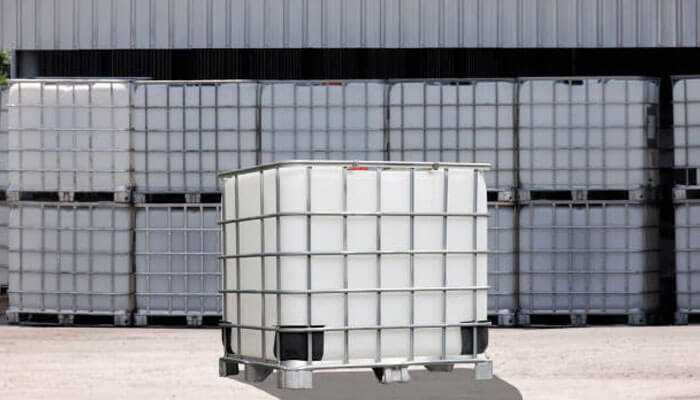
Used IBC totes are a smart, budget-friendly way to store and transport large amounts of liquid or materials. But buying them isn’t as simple as grabbing the first one you see.
If you’re thinking about using IBC totes for your farm, workshop, garden, or business, you need to know what to look for.
Here’s a simple guide with 10 helpful tips to make sure you get the best deal—and the safest tote.
1. Know What IBC Totes Are
IBC stands for Intermediate Bulk Container. These are large, cube-shaped tanks (usually around 275 to 330 gallons) often used to store liquids like water, chemicals, or even food products. Use IBC totes for rainwater collection, fuel storage, hydroponics, and more. They’re strong, stackable, and reusable.
2. Check What Was Inside Before
One of the most important tips? Always ask what the tote held before. Some used IBC totes carried toxic chemicals that can’t be safely cleaned. If you’re planning to use IBC totes for drinking water, food, or gardening, make sure the label says it was used for food-grade or non-toxic materials.
3. Look for “Reconditioned” or “Triple-Rinsed”
A tote that’s been reconditioned has been properly cleaned and inspected. Some sellers also offer “triple-rinsed” IBC totes, which means the inside was washed out three times. This is a good sign if you’re worried about leftover chemicals or odors.
4. Inspect the Cage and Pallet
Used IBC totes usually come in a metal cage with a pallet base. Check the cage for rust, dents, or broken welds. Make sure the pallet isn’t cracked, rotted, or missing pieces—especially if it’s wood or plastic. A solid base keeps your tote stable and safe to move.
5. Check the Valve and Lid
Every IBC tote has a valve at the bottom and a screw cap at the top. Make sure both are present and not damaged. The valve should turn easily and seal tightly to prevent leaks. If the lid is cracked or missing, water and debris can get in—bad news for whatever you’re storing.
6. Ask About Certifications
Some totes are UN/DOT certified. This means they meet safety standards for transporting hazardous or sensitive materials. If you plan to use IBC totes in a business or for transport, buying certified containers is a smart (and legal) move.
7. Measure the Size and Fit
Most IBC totes are roughly 4 feet tall and 3.5 feet wide, but some come in different sizes. Before buying, measure your storage area and make sure the tote will fit. Also consider how you’ll move it—do you have a pallet jack or forklift?
8. Compare Prices Before You Buy
Used IBC totes usually cost between $50 and $150, depending on condition, cleanliness, and location. Don’t jump at the first offer. Check local sellers, online marketplaces, or industrial surplus yards. You might find better prices or cleaner totes just a few miles away.
9. Watch Out for Scams
Only buy from trusted sellers or businesses with good reviews. If the price seems too good to be true, it probably is. Always inspect the tote in person if you can. And avoid buying from someone who refuses to answer questions or provide photos.
10. Know How You’ll Use the IBC Tote
Finally, think about your specific needs. Will you use IBC totes for water storage on the farm? Mixing nutrients in a greenhouse? Storing fuel or soap? Your use case will decide how clean the tote must be, what kind of valve you need, and whether a metal cage is required.
Final Thoughts
Used IBC totes are a great solution for people who need strong, reusable containers without paying top dollar. But not all used totes are safe or useful for every job.
Use IBC totes wisely by checking the condition, asking the right questions, and matching the tote to your purpose.
With these 10 tips, you’ll make a smart buy—and avoid costly mistakes.