



Navigating compliance in the construction industry can feel like a daunting task. With evolving regulations and multifaceted requirements, missing a crucial compliance tool could put your projects at risk of delays, fines, or worse. To set your team up for success, having the right tools in place is a must.
This list explores six indispensable compliance tools that construction managers often overlook. From managing stormwater runoff to monitoring safety in real time, these tools can revolutionize how you handle compliance on your sites.
1. Stormwater Pollution Prevention Plans (SWPPP)
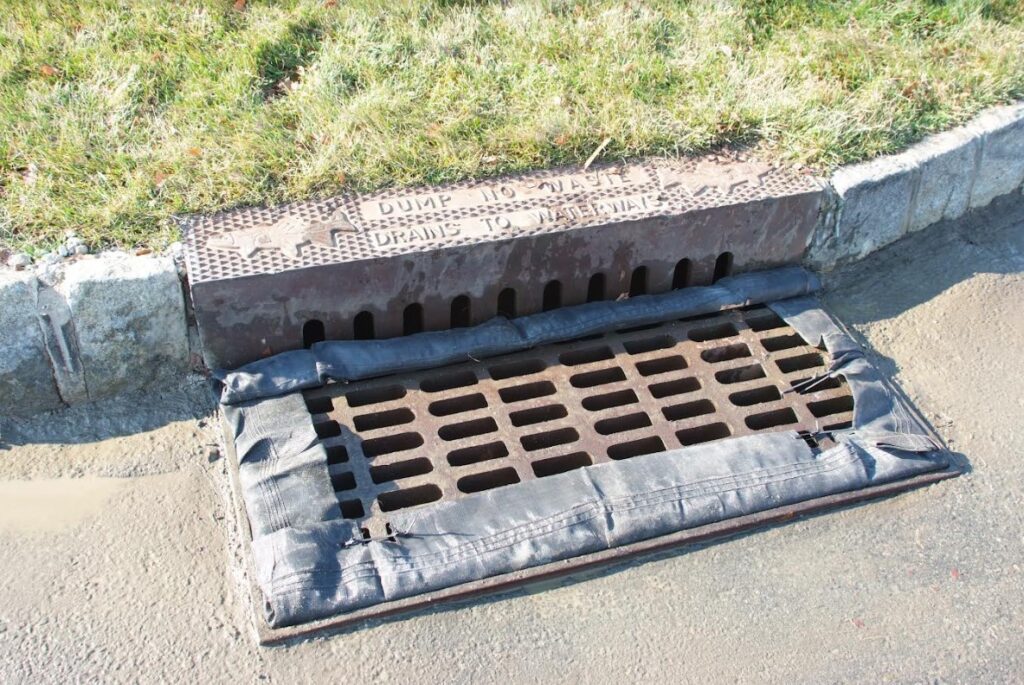
Construction sites are notorious for their environmental impact, particularly when it comes to stormwater runoff. Federal regulations, such as those enforced under the Clean Water Act, make storm drain protection a critical compliance area for construction projects.
Stormwater Pollution Prevention Plans (SWPPPs) focus on controlling sediment, oil, and debris from entering water systems. A robust SWPPP tool streamlines the creation and maintenance of these plans, ensuring compliance with both federal and state requirements. Features like digital monitoring and automated reporting help reduce errors and keep your site aligned with EPA mandates.
2. Safety Management Software
Construction safety compliance is non-negotiable, yet many sites rely on outdated methods to track and manage it. Safety management software, such as Procore or Safesite, offers real-time tracking of safety incidents, inspections, and certifications.
These platforms simplify OSHA compliance by providing automated records, incident reporting, and analytics that help pinpoint areas in need of improvement. Investing in a dedicated safety platform ensures you stay ahead of potential risks while safeguarding your team.
3. Environmental Compliance Tracking
Regulatory oversight, from air quality to waste disposal, requires constant monitoring in the construction sector. Tools like Mapistry combine environmental data collection with robust analytics to ensure adherence to strict EPA and state-level regulations.
These platforms often include modules for hazardous waste tracking, emissions monitoring, and spill response documentation. Whether you’re dealing with federal water standards or state-specific emissions rules, environmental compliance tracking tools ensure you’re never caught off guard.
4. Digital Permit Management
Keeping track of construction permits is no small task, especially for large-scale projects involving multiple jurisdictions. A digital permit management system simplifies this process by consolidating permit applications, renewals, and updates into a centralized platform.
Software like OpenGov Permitting and Viewpoint provides notifications for expiring permits and integrates with local government databases for smoother approval processes. Digitizing permit management reduces administrative overhead and minimizes delays caused by overlooked deadlines.
5. Drone-Based Site Surveys
Technology continues to transform compliance in construction, and drones have become a game-changer. Drone-based site surveys not only streamline site inspections but also provide unparalleled accuracy in monitoring erosion control, grading, and general site conditions.
These high-definition surveys assist in maintaining compliance with environmental and zoning regulations by offering visual evidence of your site’s adherence to permitting conditions. Paired with compliance-focused analytics tools, drones bring unmatched efficiency to regulatory management.
6. Labor Compliance Monitoring
Wage disputes and employee classification controversies can lead to steep penalties if labor compliance requirements are not met. Tools like LCPtracker address this by automating payroll monitoring and workforce certification processes.
For projects involving external contractors, subcontractor software can extend this compliance oversight by tracking certifications, insurance requirements, and prevailing wage documentation across your entire subcontractor network Labor compliance tools also encourage workplace equality and accountability, crucial values for modern construction firms.
Stay Ahead of Compliance Challenges
The construction industry demands tools and strategies that evolve with stricter standards and increasingly diverse project scopes. Incorporating these six compliance tools into your operations ensures greater efficiency and adherence to regulations, helping minimize risks from oversight or non-compliance.
From protecting waterways with SWPPPs to improving worker safety with real-time insights, staying equipped is the key to success. By knowing and utilizing these tools, you’ll not only achieve compliance but also set your projects apart as industry benchmarks.