



Organizing a marathon is a massive logistical challenge, requiring careful planning and coordination. While ensuring smooth registration, hydration stations, and route markers is essential, emergency preparedness is just as critical. With thousands of runners, spectators, and volunteers involved, marathon organizers must anticipate potential risks and have response strategies in place. From medical emergencies to extreme weather and security threats, here’s how to ensure a safe and successful event.
1. Develop a Comprehensive Emergency Action Plan
A well-structured Emergency Action Plan (EAP) is the foundation of marathon safety. This plan should cover:
- Medical emergencies (heat stroke, dehydration, cardiac events, injuries)
- Extreme weather conditions (heatwaves, storms, lightning, cold exposure)
- Security threats (suspicious packages, active threats, crowd control issues)
- Logistics failures (course blockages, aid station shortages, communication breakdowns)
The EAP should include detailed response protocols, designated emergency contacts, and clear evacuation procedures. Make sure all team members understand their roles during an emergency.
2. Assemble an Emergency Response Team
Your marathon safety team should consist of:
- Medical personnel (doctors, paramedics, and first-aid volunteers)
- Law enforcement and security teams
- Weather monitoring experts
- Traffic control and course marshals
- Event staff and volunteers trained in emergency response
Having a dedicated emergency response team ensures a quick and effective reaction to any crisis. Organizers should coordinate with local hospitals, fire departments, and emergency services to ensure a seamless response.
3. Establish Medical Stations and First Aid Teams
Medical preparedness is one of the most crucial aspects of marathon safety. Organizers should:
- Set up medical aid stations at strategic locations along the race route
- Equip each station with first-aid supplies, defibrillators (AEDs), and trained medical personnel
- Deploy mobile medical teams on bikes or carts for quick access to runners in need
- Identify the closest hospitals and trauma centers for severe medical cases
Encourage runners to disclose any pre-existing medical conditions during registration so that medical teams can provide better care in case of an emergency HAM radio for sale.
4. Implement Effective Communication Systems
Clear and efficient communication can prevent panic and confusion. Marathon organizers should:
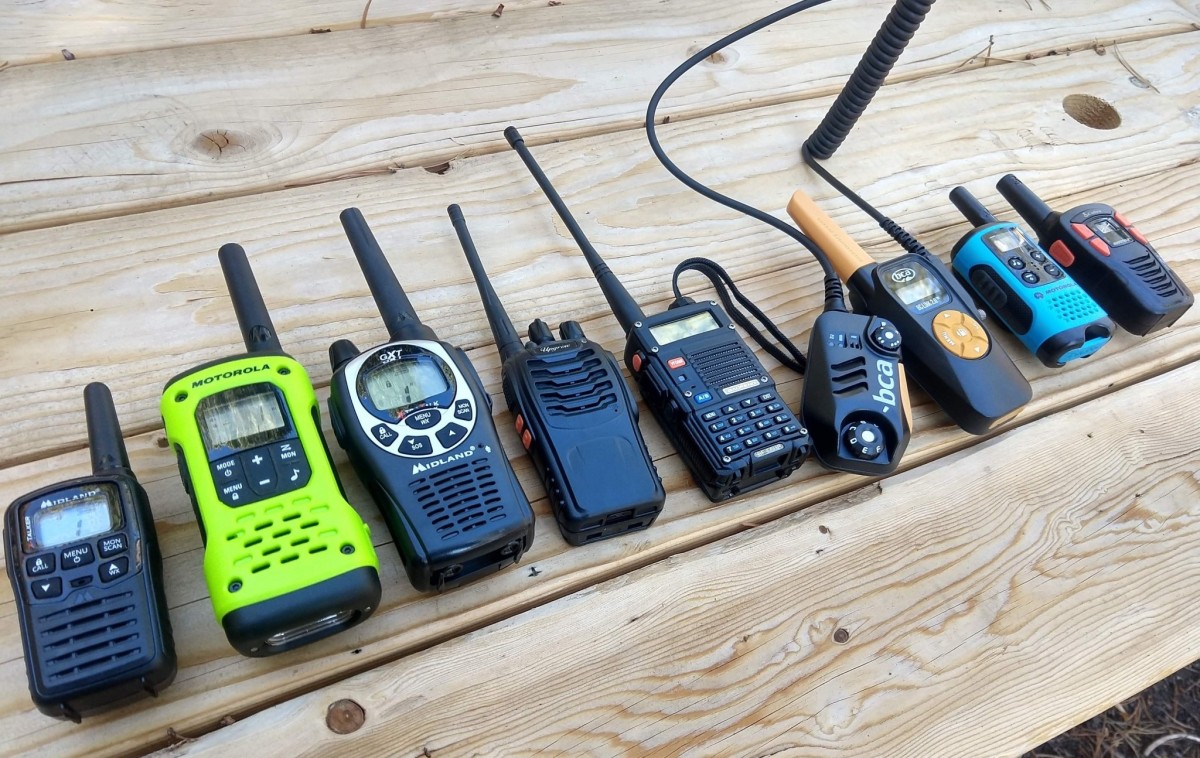
- Use two-way radios and satellite walkie-talkies to ensure reliable communication among key personnel, including medical teams and course marshals. Organizers can explore a ham radio for sale to enhance coordination, improve emergency response, and ensure a seamless race day experience.
- Implement a mass notification system (via text, app, or PA announcements) to inform runners and spectators about emergencies
- Have backup communication plans in case of network failures
All volunteers should have a list of emergency contacts and know how to report incidents quickly.
5. Plan for Extreme Weather Conditions
Weather can be unpredictable, so marathon organizers must have contingency plans for different scenarios:
- Heatwaves: Provide cooling stations, ice packs, extra hydration points, and shade structures
- Cold and rain: Offer blankets, ponchos, and warm beverages at aid stations
- Lightning and storms: Establish evacuation shelters and have clear procedures for pausing or canceling the event
Use real-time weather tracking tools and be ready to adjust race logistics accordingly.
6. Strengthen Crowd and Security Measures
With large crowds comes the potential for security risks. To ensure safety:
- Hire trained security personnel to monitor race areas
- Set up bag checks and restricted zones for enhanced security
- Use surveillance cameras at high-traffic points
- Have a lost-and-found child protocol in place
- Establish evacuation routes and inform volunteers about crowd control procedures
Cooperate with local law enforcement to prepare for suspicious activities or emergency evacuations.
7. Train Volunteers and Staff in Emergency Protocols
Every volunteer and staff member should undergo emergency preparedness training before race day. Key training areas include:
- Basic first aid and CPR certification
- Identifying signs of heat stroke, dehydration, and cardiac distress
- Reporting suspicious activities
- Evacuation and crowd control procedures
A well-trained team can prevent minor issues from escalating into full-blown emergencies.
8. Conduct a Pre-Race Safety Briefing
Before the marathon begins, communicate safety information to runners and spectators:
- Share weather updates and hydration reminders
- Inform runners about medical station locations
- Explain emergency signals and evacuation routes
- Encourage participants to carry identification and emergency contact details
This briefing ensures that everyone knows how to react in an emergency situation.
9. Monitor the Race in Real-Time
Using GPS tracking, drones, and surveillance cameras, organizers can monitor the race in real-time to detect potential issues early. Race officials and emergency response teams should be stationed at key points to act swiftly when needed.
10. Review and Improve After the Event
After the marathon, conduct a post-event safety review by gathering feedback from:
- Medical teams
- Security personnel
- Volunteers and race officials
- Participants and spectators
Analyze what worked well and identify areas for improvement. This continuous learning process helps refine safety measures for future events.
Final Thoughts
A well-prepared marathon organizer prioritizes safety just as much as logistics. By developing a strong emergency action plan, assembling a dedicated response team, and ensuring clear communication, you can protect participants and create a safe, successful event. With the right precautions, your marathon will not only be a test of endurance but also a showcase of top-notch organization and preparedness.
Stay ready, stay safe, and let the race begin!