



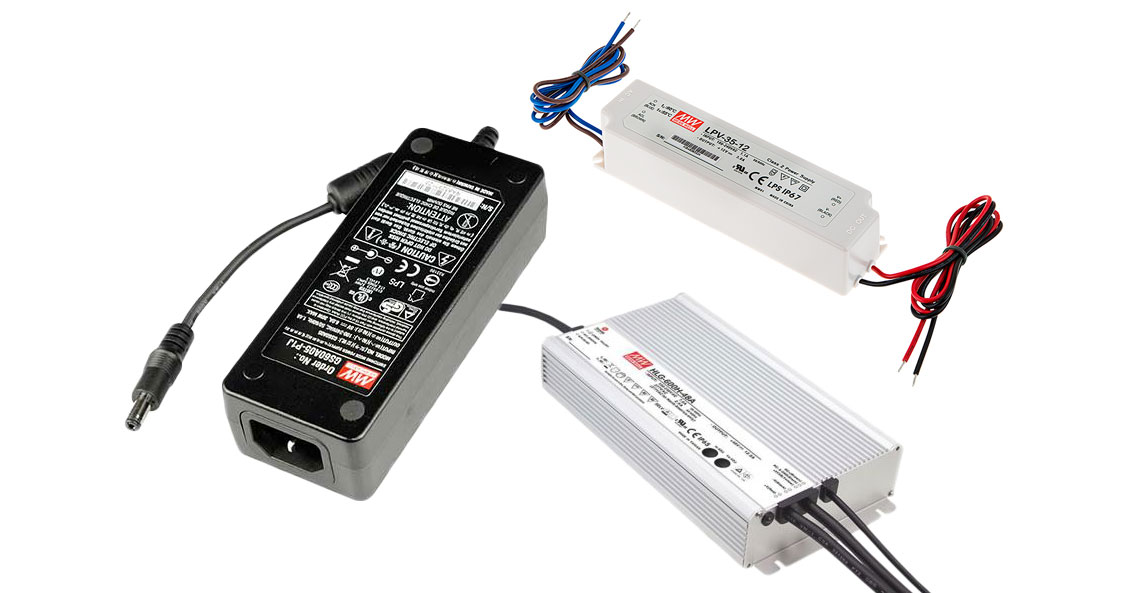
As LED lighting continues to dominate the global market, the demand for reliable components has never been greater. Among these, the LED power supply—sometimes referred to as a driver or transformer—plays a crucial role in ensuring efficiency, safety, and long-lasting performance. For businesses that distribute, install, or integrate LED products, choosing the right LED power supply manufacturer is a decision that can directly influence both short-term profitability and long-term brand reputation.
In this guide, we’ll break down the key factors to consider when selecting a reliable manufacturer, why this decision matters, and how it can shape the success of your lighting business.
1. Why the LED Power Supply Matters
An LED power supply isn’t just an accessory—it’s the heartbeat of an LED system. Its function is to convert incoming electrical current into a stable output suitable for LEDs, protecting them from fluctuations, overloading, and overheating.
When a power supply fails, it doesn’t just stop the lights—it can cause costly downtime, dissatisfied customers, and even safety risks. This is why choosing the right manufacturer matters just as much as choosing the right LED strip or module supplier.
2. Reputation and Industry Experience
The first step in evaluating a manufacturer is to look at their reputation and track record. Established manufacturers who have been in the industry for years usually have stronger R&D teams, better quality assurance, and proven reliability.
- Check their history: How long have they been producing LED power supplies?
- Look for customer reviews: Feedback from distributors or businesses can give insights into performance and service.
- Partnerships and certifications: Reputable manufacturers often supply to well-known brands or have global partnerships.
A manufacturer with a solid reputation will give you confidence that they understand the challenges and evolving demands of the lighting industry.
3. Compliance with Safety and Quality Standards
LED power supplies are electrical devices, so compliance with international safety and quality standards is non-negotiable. Before making a decision, ensure that the manufacturer holds certifications relevant to your target market, such as:
- CE (Europe)
- UL (United States)
- RoHS (Restriction of Hazardous Substances)
- FCC (for electromagnetic compatibility)
- ISO 9001 (quality management systems)
These certifications aren’t just paperwork—they guarantee that the products meet rigorous standards for safety, performance, and environmental responsibility.
4. Product Range and Customization Options
Every business has different needs. Some projects require constant voltage (CV) power supplies for LED strips, while others demand constant current (CC) models for modules or high-power LEDs. Beyond this, dimming compatibility (0-10V, DALI, TRIAC, or smart controls) is increasingly important for modern installations.
A good manufacturer should offer:
- Diverse product lines (indoor, outdoor, waterproof, slim, ultra-efficient).
- Different wattage ranges to suit small and large projects.
- Custom solutions for businesses needing unique specifications.
Choosing a manufacturer with a wide range ensures your business won’t need multiple suppliers, saving time and costs in the long run.
5. Reliability and Performance Testing
LED lighting projects depend on long-term reliability. A failed power supply can damage not only the product but also your company’s reputation. The best manufacturers back up their products with extensive testing.
Ask if the manufacturer conducts:
- Burn-in testing: Simulating long-term use to check durability.
- Overload and short-circuit protection tests.
- Temperature and humidity stress tests for extreme environments.
- EMI/EMC compliance checks for low interference.
If a manufacturer can provide test reports and transparent quality control processes, it’s a good sign of their commitment to reliability.
6. Innovation and Technological Advancements
The LED industry is fast-moving, with new designs, smart integrations, and higher energy-efficiency demands. Working with a manufacturer that prioritizes innovation ensures your business stays ahead of the curve.
Key innovations to look for:
- High efficiency (>90%) power supplies to reduce energy costs.
- Dimmable and smart-compatible models that integrate with IoT systems.
- Ultra-thin or compact designs for space-saving applications.
- Wide voltage input ranges for global compatibility.
By partnering with an innovative manufacturer, you ensure your business can offer modern, future-proof solutions to customers.
7. After-Sales Support and Warranty
Even the best products can face occasional issues, which is why after-sales support matters. A trustworthy LED power supply manufacturer should provide:
- Clear warranty policies (often 3–7 years depending on the product).
- Technical support teams to answer installation or troubleshooting questions.
- Fast replacement or repair processes to minimize downtime for your projects.
Strong customer support demonstrates that a manufacturer is committed to long-term relationships, not just one-time sales.
8. Supply Chain Reliability
In today’s global market, supply chain disruptions are common. Delayed deliveries can stall projects and impact your credibility with clients. When choosing a manufacturer, consider:
- Production capacity: Can they handle bulk orders consistently?
- Lead times: How quickly can they fulfill large or custom requests?
- Inventory availability: Do they maintain stock of common models?
Manufacturers with efficient logistics and strong partnerships ensure that your business can meet deadlines and customer expectations.
9. Pricing and Value for Money
While cost is always a factor, choosing the cheapest manufacturer is rarely the best decision. Instead, focus on value for money. A slightly higher upfront cost often pays off through:
- Lower failure rates.
- Reduced warranty claims.
- Happier clients who trust your products.
That said, a good manufacturer should provide competitive pricing structures, especially for wholesale or long-term contracts. Bulk discounts, flexible payment options, and transparent pricing are all advantages worth considering.
10. Building a Long-Term Partnership
Finally, think beyond just one order. The right manufacturer should be a strategic partner, not just a supplier. A strong relationship can bring:
- Priority access to new product launches.
- Better pricing for loyal partners.
- Tailored solutions for your unique business model.
- Collaborative growth opportunities, such as joint marketing or co-branding.
When you view the relationship as a partnership, you set the stage for mutual success.
Final Thoughts
Selecting the right LED power supply manufacturer is a critical decision for any business operating in the lighting industry. It impacts not only the performance of your projects but also your company’s reputation, customer satisfaction, and long-term profitability.
By focusing on reputation, certifications, product range, testing standards, innovation, after-sales support, and long-term partnership potential, you can make an informed choice that benefits your business for years to come.
In a rapidly evolving market, businesses that align themselves with reliable, forward-thinking manufacturers will stand out, win customer trust, and enjoy long-term success.
So, when it comes to powering your LED lighting projects, don’t just look for a supplier—choose a trusted manufacturer that fuels your business growth.