



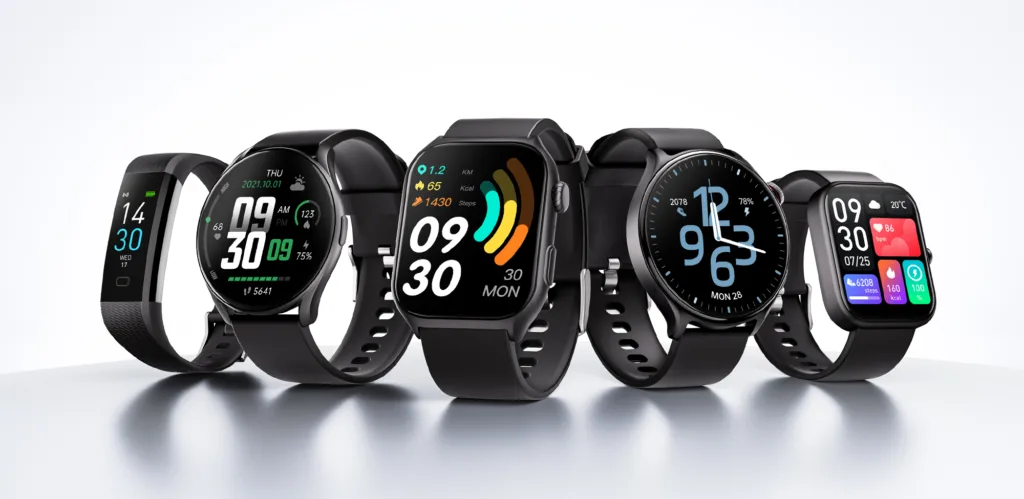
For anyone looking to enhance their daily routine and capture stunning visuals, investing in advanced wearable gadgets and interchangeable lens devices is a sound choice. These innovative tools not only streamline your activities but also provide unparalleled photographic opportunities.
The wearable technology market has rapidly evolved, offering products that serve various purposes, from health monitoring to seamless connectivity. Choosing a device that tracks your fitness levels, heart rate, and even sleep patterns can profoundly influence your well-being and productivity.
On the other hand, the rise of interchangeable lens devices has transformed photography, allowing enthusiasts and professionals alike to express creativity with superior image quality and versatility. Selecting a model that fits your specific photographic needs can greatly elevate your skills and experience.
In a landscape filled with options, knowing the features and functionality of these gadgets is key. Prioritize personal requirements and usage scenarios to identify the perfect match for both fitness adherence and creative expression.
Smart Wearables and Interchangeable Lens Photography Instruments
For those considering smart wearables, prioritize models that offer robust health monitoring features. Look for options with heart rate tracking, sleep analysis, and activity reminders. Garmin and Fitbit provide excellent choices for fitness enthusiasts, while Apple Watch is ideal for seamless integration with iOS devices.
When exploring interchangeable lens photography instruments, assess your specific needs. If portability is a key factor, opt for compact models like Sony Alpha a6400 or Fujifilm X-T30. If high-resolution images are a priority, consider the Canon EOS R or Nikon Z series. Always evaluate lens compatibility and budget for additional accessories like tripods and extra batteries.
- Smart Wearables:
- Health Features: Choose devices with advanced tracking for workouts and well-being.
- Integration: Ensure compatibility with smartphones and other tech.
- Interchangeable Lens Instruments:
- Compactness: Look for lightweight options for travel-friendly use.
- Quality: Prioritize sensors that deliver high-resolution images and superior low-light performance.
Regular software updates enhance device functionality for both smart wearables and photography tools. Keep informed about new firmware releases to take advantage of improved features and performance.
Choosing the Right Smart Watch for Your Lifestyle
Identify your primary needs before making a selection. For fitness enthusiasts, consider models with advanced tracking features such as heart rate monitoring, GPS, and workout analyses. If your focus is on connectivity, opt for watches that seamlessly integrate with your smartphone and offer notifications.
- Fitness Tracking: Look for products with built-in sensors for accurate data collection.
- Battery Life: Evaluate models with longer-lasting batteries, especially if you use various features frequently.
- Customization: Choose faces and bands that match your style and occasion, allowing for personalization.
- Compatibility: Ensure the device works with your existing smartphone to maximize functionality.
Research various brands and their offerings. Excellent sources include Wrist Chronicles for insights on performance and reviews, and LensGearPro for tech specifications and comparisons.
- Assess your daily activities to determine which features will enhance your routine.
- Read user reviews for real-world feedback on performance and durability.
- Test in-store, if possible, to evaluate comfort and interface intuitiveness.
Ultimately, select a timepiece that aligns with your lifestyle and enhances your daily tasks through its unique capabilities.
Comparing Features: Which Interchangeable Lens System Aligns with Your Photography Style?
For those seeking to elevate their photographic skills, selecting the right interchangeable lens system is key. First, assess your preferred shooting style: if you thrive on capturing fast action, options with superior autofocus systems like the Canon EOS R5 or Sony Alpha a7 IV provide rapid focusing capabilities. Their high continuous shooting speeds will keep up with dynamic subjects.
For portrait enthusiasts, consider models like the Nikon Z6 II that excel in depth of field control and produce beautiful bokeh with prime lenses. A full-frame sensor enhances low-light performance, allowing for stunning images even in challenging lighting conditions.
Landscape photography often requires extensive detail and color accuracy. Systems such as the Fujifilm X-T4 offer weather sealing and excellent dynamic range, making them ideal for outdoor environments. The option to use wide-angle lenses will help capture expansive vistas.
For videographers, focus on mirrorless products offering advanced video features. The PANASONIC Lumix GH5 stands out with its ability to shoot in 4K and provides excellent in-body stabilization, ideal for handheld shooting.
Make sure to explore your choice’s ergonomics and battery life, as these factors can significantly impact your shooting experience. Reviews and comparisons can provide further insights; check out this Cameras Review for in-depth evaluations.
Integrating Wearable Tech into Your Daily Routine
Begin each morning by synchronizing your wearable device with your calendar and task management app. This enables notifications for upcoming meetings and tasks directly on your wrist, streamlining your focus.
Utilize health monitoring features throughout the day. Regularly track your heart rate and activity levels to maintain fitness goals. Set reminders for hydration and movement to avoid prolonged sedentary periods, enhancing overall well-being.
During workouts, leverage GPS capabilities for accurate tracking of distance and pace. This data is invaluable for assessing performance over time and adjusting training plans accordingly.
Incorporate navigation functionalities when exploring new areas or during travel. Real-time directions accessed directly on your wrist can minimize distractions and improve your sense of direction.
Take advantage of music control features. Create playlists in advance and switch tracks effortlessly while exercising or commuting, allowing for an uninterrupted experience.
Customize notifications to prioritize messages and alerts that matter most. This ensures you remain focused on important tasks without being overwhelmed by constant pings.
Utilize sleep tracking to improve rest quality. Establish a consistent sleep schedule based on insights, maximizing energy levels throughout your day.
Engage with wellness apps offering guided breathing or mindfulness exercises. Regular practice can reduce stress and enhance productivity, integrating mental well-being into your daily workflow.
Essential Accessories for Mirrorless Cameras: What You Need
A sturdy tripod is indispensable for stabilizing shots, particularly in low-light conditions or long exposure scenarios. Models such as the Manfrotto BeFree or Gitzo Series 1 are highly regarded for their balance between portability and stability.
Quality Lenses
Investing in versatile lenses opens up creative possibilities. A standard zoom lens, like a 24-70mm f/2.8, provides flexibility for various shooting situations. Additionally, a prime lens with a wide aperture, such as a 50mm f/1.8, excels in portraiture and low-light capture.
Additional Gear
A high-capacity memory card ensures ample storage for high-resolution images and video. Look for UHS-II cards for faster write speeds. Lastly, a well-padded camera bag protects gear during transport, while also offering compartments for accessories like battery chargers, extra batteries, and filters.
Maximizing Battery Life for Wearables and Interchangeable Lens Devices
Adjust screen brightness to the lowest acceptable level. Many models allow for auto-brightness features, which can significantly drain power.
Power-Saving Modes
Activate power-saving settings available on your device. These modes typically reduce background activity, limit notifications, and optimize performance for longevity.
Manage Connectivity
Disable Bluetooth, Wi-Fi, and GPS when not in use. These features constantly search for connections, consuming battery. Make it a habit to switch them off after use.
Limit the use of live wallpapers and dynamic backgrounds. Static images require less power, extending time between charges.
Regularly check for software updates. Manufacturers often release enhancements that improve battery performance and optimize application usage.
Application Management
Uninstall unused applications. Many apps run processes in the background, leading to unnecessary battery consumption.
Consider reducing the frequency of app syncs. Adjust settings to receive updates less frequently, which can save energy.
Optimal Charging Practices
Avoid letting the battery run completely empty. Frequent deep discharges can wear out lithium batteries more quickly. Aim to recharge when the battery level drops to around 20-30%.
| Tip | Description |
| Screen Brightness | Keep brightness low for longer usage. |
| Power-Saving Modes | Enable settings to conserve energy. |
| Connectivity | Turn off unused features like Wi-Fi or GPS. |
| Static Backgrounds | Use static images instead of live wallpapers. |
| App Management | Remove unneeded apps and reduce sync frequency. |
| Charging Habits | Avoid deep discharges for better battery life. |
Consider using external power banks or cases with built-in batteries for extended outings. They provide additional charging opportunities without requiring wall outlets.
Q&A:
What are the key features to consider when choosing a smartwatch?
When selecting a smartwatch, several features should be taken into account. First, compatibility with your smartphone is crucial, as different brands may offer varying levels of integration with iOS or Android devices. Battery life plays an important role as well; a smartwatch that lasts multiple days without needing a charge can be more convenient. Health and fitness tracking capabilities are significant for those looking to monitor workouts, heart rate, and sleep patterns. Display quality and size affect usability, especially for notifications and apps. Finally, app support can enhance functionality, enabling users to access various services directly from the watch.
How do mirrorless cameras compare to traditional DSLRs in terms of performance and usability?
Mirrorless cameras typically offer some advantages over traditional DSLRs. They are usually lighter and more compact because they lack the optical viewfinder and mirror mechanism of DSLRs. This makes them easier to carry for extended periods. In terms of performance, mirrorless cameras often have faster autofocus systems, especially in video mode, due to advanced technologies like phase detection. They also allow for electronic viewfinders that can display histograms and focus peaking, helping with exposure and focus accuracy. However, DSLRs may still have an edge in battery life and the availability of a larger selection of lenses and accessories. Ultimately, the choice largely depends on personal preference and shooting style.
What are some popular applications of smartwatches and mirrorless cameras in daily life?
Smartwatches are increasingly being used for a variety of everyday activities, such as tracking fitness goals, managing notifications from your smartphone, providing navigation assistance, and even making payments through contactless technology. They can serve as personal health assistants by monitoring heart rate, sleep, and even stress levels, thus promoting a healthier lifestyle. On the other hand, mirrorless cameras are gaining traction among both amateur and professional photographers for their versatility and image quality. They are widely used for capturing high-resolution photos for social media, creating content for blogs, and shooting videos. Many enthusiasts appreciate their ability to quickly swap lenses to adapt to different shooting scenarios, whether it’s landscapes, portraits, or street photography.