



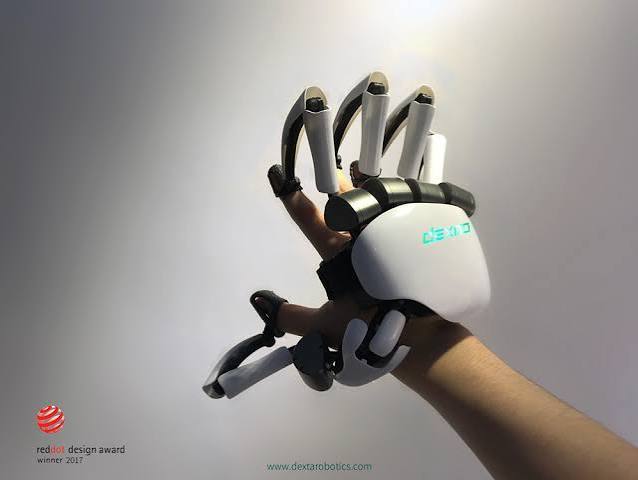
Introduction: Moving Beyond Traditional Controls
Futuristic online games are rapidly evolving beyond keyboards, controllers, and touchscreens. One of the most transformative innovations driving this change is hand tracking control. Instead of relying on physical buttons or joysticks, players can now interact with digital environments using natural hand movements.
This shift is more than just a new input method. It fundamentally changes how players connect with games, making interactions more intuitive, immersive, and physically engaging dewa138 . As online games become more advanced, hand tracking is emerging as a key technology that elevates the entire gaming experience.
Understanding Hand Tracking Technology
Hand tracking technology uses cameras, infrared sensors, and artificial intelligence to detect and interpret hand movements in real time. These systems analyze finger positions, gestures, and motion patterns to translate them into in-game actions.
Unlike traditional controllers, hand tracking does not require physical devices. Instead, the player’s hands become the controller. Every gesture, swipe, pinch, or grab is converted into a command inside the game.
This technology is commonly used in virtual reality and augmented reality systems, but it is increasingly being integrated into online gaming platforms to create more immersive experiences.
Creating Natural and Intuitive Gameplay
One of the biggest advantages of hand tracking is the natural feel it brings to gameplay. Humans naturally use their hands to interact with the world, so translating these movements into gaming actions feels instinctive.
For example, picking up objects in a game can be done by simply reaching out and grabbing them. Casting spells, aiming weapons, or navigating menus can all be controlled through natural gestures.
This eliminates the learning curve associated with complex button combinations and makes futuristic online games more accessible to new players.
Enhancing Immersion in Virtual Environments
Hand tracking significantly increases immersion by removing the barrier between the player and the game world. Instead of pressing buttons on a controller, players physically interact with digital objects as if they were real.
This creates a stronger sense of presence, where the virtual environment feels more tangible and responsive. When players see their own hands interacting with objects inside the game, the experience becomes far more believable.
In futuristic online games, this level of immersion helps blur the line between reality and digital worlds.
Improving Precision and Interaction Depth
Hand tracking also allows for a higher level of precision in gameplay. Fine finger movements can be used for detailed actions such as adjusting controls, selecting items, or performing complex gestures.
This adds depth to gameplay mechanics, allowing developers to design more interactive and responsive systems. Players are no longer limited by predefined buttons but can use a wide range of natural movements to influence the game.
This flexibility opens the door to more creative game design and innovative interaction models.
Transforming Multiplayer Online Experiences
In multiplayer futuristic games, hand tracking adds a new layer of communication and expression. Players can use gestures to communicate with teammates, signal intentions, or express emotions without speaking.
This enhances social interaction and makes online communication more dynamic. For example, a simple hand signal can indicate strategy, direction, or warning in real time.
It also helps bridge language barriers, allowing players from different regions to communicate more effectively through universal gestures.
Integration with Virtual Reality and Augmented Reality
Hand tracking is especially powerful when combined with virtual reality and augmented reality systems. In VR environments, it allows players to fully interact with 3D worlds using their hands, making the experience feel highly realistic.
In AR games, digital objects can be placed in the real world and manipulated directly through hand movements. Players can rotate, move, or interact with virtual elements as if they physically exist in their environment.
This combination creates a seamless blend of physical and digital interaction that defines futuristic gaming experiences.
Expanding Accessibility and Inclusive Gaming
Hand tracking also improves accessibility in online games. Players who may struggle with traditional controllers due to physical limitations can benefit from gesture-based input systems.
Since hand tracking relies on natural movement, it reduces the need for complex button layouts or hardware knowledge. This makes futuristic games more inclusive and easier to access for a wider audience.
It also allows developers to design adaptive systems that respond to different levels of mobility and comfort.
Challenges in Hand Tracking Implementation
Despite its advantages, hand tracking technology still faces several challenges. One of the main issues is accuracy, especially in fast-paced gaming environments where precise input is critical.
Lighting conditions, camera quality, and hand positioning can also affect tracking performance. In some cases, gestures may be misinterpreted or delayed, impacting gameplay experience.
Another challenge is fatigue. Continuous hand movement without physical support can become tiring during long gaming sessions, which may limit usage in certain game genres.
The Role of Artificial Intelligence in Hand Tracking
Artificial intelligence plays a crucial role in improving hand tracking systems. AI algorithms help interpret complex hand movements, predict gestures, and reduce errors in detection.
Machine learning models are trained on large datasets of human motion, allowing systems to recognize a wide variety of gestures across different users.
As AI continues to improve, hand tracking will become more accurate, responsive, and adaptable to individual player styles.
The Future of Hand Controlled Gaming Worlds
The future of online gaming is moving toward fully immersive, gesture-based environments. As hand tracking technology becomes more refined, it will likely replace traditional input methods in many futuristic games.
Developers may create entire game systems based on natural movement, where players interact with digital worlds as easily as they interact with the physical world.
Combined with advancements in AI, virtual reality, and spatial computing, hand tracking will help shape a new generation of highly immersive online experiences.
Conclusion: A More Human Way to Play
Hand tracking control is revolutionizing futuristic online games by making interactions more natural, immersive, and intuitive. It removes the limitations of traditional controllers and replaces them with direct physical engagement.
As technology continues to advance, hand tracking will play a central role in defining how players interact with digital worlds. It brings gaming closer to natural human behavior, creating a future where online games feel less like software and more like living, interactive environments.