



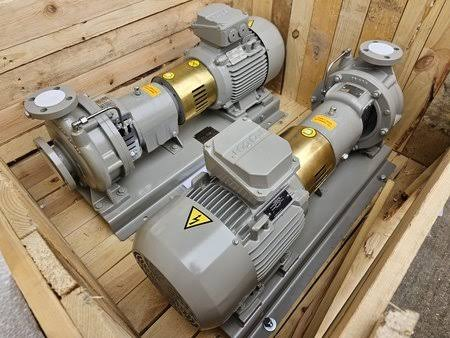
Transfer pumps are essential mechanical devices used across a wide range of industries to move liquids from one location to another efficiently and safely. Whether it is water, fuel, chemicals, oil, or wastewater, transfer pumps play a crucial role in ensuring smooth and controlled fluid movement. From residential use to large-scale industrial operations, these pumps are designed to simplify fluid handling, reduce manual effort, and improve operational efficiency.
In this article, we will explore what transfer pumps are, how they work, their types, applications, benefits, and how to choose the right one for your needs.
What Are Transfer Pumps?
A transfer pump is a type of pump specifically designed to move liquids from one container, tank, or system to another. Unlike pumps used for increasing pressure in closed systems, transfer pumps primarily focus on the movement of fluids over distances or between storage points.
They are widely used in industries where liquids need to be transported quickly, safely, and without contamination. Depending on the design, transfer pumps can handle thin liquids like water or more viscous fluids like oils and chemicals.
How Do Transfer Pumps Work?
Transfer pumps operate by creating a pressure difference that forces liquid to move from the inlet side (low pressure) to the outlet side (high pressure). The mechanism varies depending on the pump type, but the general working principle remains the same.
Most transfer pumps consist of:
- An inlet valve that allows fluid entry
- A pumping mechanism (impeller, diaphragm, or gear system)
- A motor or engine to power the pump
- An outlet valve for discharge
When the pump is activated, the motor drives the internal components, creating suction that draws liquid into the pump and pushes it out through the discharge outlet.
Types of Transfer Pumps
There are several types of transfer pumps, each designed for specific applications and fluid types.
1. Centrifugal Transfer Pumps
Centrifugal pumps are among the most common types. They use a rotating impeller to move fluids.
Key features:
- Suitable for low-viscosity liquids like water
- High flow rates
- Simple design and easy maintenance
Applications:
- Water supply systems
- Irrigation
- Industrial fluid transfer
2. Positive Displacement Pumps
These pumps move a fixed amount of liquid with each cycle, making them ideal for precise flow control.
Key features:
- High accuracy
- Can handle thick or viscous fluids
- Consistent flow regardless of pressure changes
Applications:
- Oil and fuel transfer
- Chemical processing
- Food and beverage industry
3. Diaphragm Transfer Pumps
Diaphragm pumps use a flexible membrane that moves back and forth to transfer fluid.
Key features:
- Can handle corrosive and abrasive liquids
- Self-priming capability
- Safe for hazardous materials
Applications:
- Chemical transfer
- Wastewater treatment
- Pharmaceutical industries
4. Gear Pumps
Gear pumps use interlocking gears to move fluid through the system.
Key features:
- Excellent for viscous liquids like oil
- Smooth and steady flow
- Durable construction
Applications:
- Lubrication systems
- Fuel transfer
- Hydraulic systems
5. Submersible Transfer Pumps
These pumps operate while fully submerged in the liquid they are moving.
Key features:
- Quiet operation
- High efficiency
- No need for priming
Applications:
- Drainage
- Sewage systems
- Flood control
Applications of Transfer Pumps
Transfer pumps are used in a wide variety of sectors due to their versatility and efficiency.
1. Industrial Applications
Industries rely heavily on transfer pumps for moving chemicals, oils, and raw materials during production processes. They ensure consistent flow and reduce manual handling risks.
2. Agricultural Use
Farmers use transfer pumps for irrigation systems, moving water from wells, rivers, or storage tanks to crops. This improves productivity and reduces water waste.
3. Oil and Gas Industry
Transfer pumps are critical for transporting crude oil, diesel, gasoline, and lubricants safely across pipelines and storage systems.
4. Water Treatment Plants
They are used to move wastewater, treated water, and sludge through different stages of purification.
5. Residential Use
Homeowners use small transfer pumps for draining swimming pools, water tanks, basements, and garden irrigation systems.
Benefits of Using Transfer Pumps
Transfer pumps offer several advantages that make them indispensable in fluid management systems.
1. Efficient Fluid Movement
Transfer pumps significantly reduce the time and effort required to move liquids manually, ensuring faster operations.
2. Versatility
They can handle a wide range of fluids, from clean water to highly viscous or corrosive substances.
3. Cost-Effective Operation
By automating fluid transfer, businesses reduce labor costs and improve operational efficiency.
4. Improved Safety
Handling hazardous liquids manually can be dangerous. Transfer pumps minimize human contact with harmful substances.
5. Reliability
Modern transfer pumps are designed for continuous operation, offering long service life and consistent performance.
Factors to Consider When Choosing a Transfer Pump
Selecting the right transfer pump is essential for efficiency and safety. Here are key factors to consider:
1. Type of Fluid
Different pumps are designed for different liquids. Consider viscosity, temperature, and chemical properties.
2. Flow Rate Requirements
Determine how much liquid needs to be moved per hour or minute.
3. Distance and Elevation
Consider how far and how high the liquid must be transferred.
4. Material Compatibility
Ensure pump materials are compatible with the fluid to avoid corrosion or damage.
5. Power Source
Transfer pumps can be electric, diesel, or hydraulic. Choose based on availability and application.
6. Maintenance Needs
Opt for pumps that are easy to maintain and have readily available spare parts.
Maintenance Tips for Transfer Pumps
Proper maintenance ensures long life and optimal performance.
- Regularly inspect seals and hoses
- Clean the pump after use, especially when handling chemicals
- Check for leaks and unusual noises
- Lubricate moving parts when necessary
- Ensure proper storage in dry conditions
- Follow manufacturer guidelines for servicing
Common Problems in Transfer Pumps
Like any mechanical equipment, transfer pumps may face issues such as:
- Clogging due to debris or solid particles
- Cavitation caused by air bubbles in the fluid
- Seal wear leading to leaks
- Motor overheating
- Reduced flow rate over time
Early detection and maintenance can prevent major breakdowns.
Future of Transfer Pump Technology
Advancements in technology are improving the efficiency and intelligence of transfer pumps. Modern systems now include:
- Smart sensors for monitoring performance
- Energy-efficient motors
- Automated control systems
- Remote operation and monitoring
- Eco-friendly designs
These innovations are making transfer pumps more reliable, sustainable, and cost-efficient.
Conclusion
Transfer pumps are a vital component in modern fluid handling systems across industries such as agriculture, manufacturing, oil and gas, and residential applications. Their ability to move liquids efficiently, safely, and reliably makes them indispensable in both small-scale and large-scale operations.
By understanding the different types, applications, and selection criteria, businesses and individuals can choose the right transfer pump to meet their needs. As technology continues to evolve, transfer pumps will become even more efficient and intelligent, further enhancing productivity and sustainability in fluid management systems.