



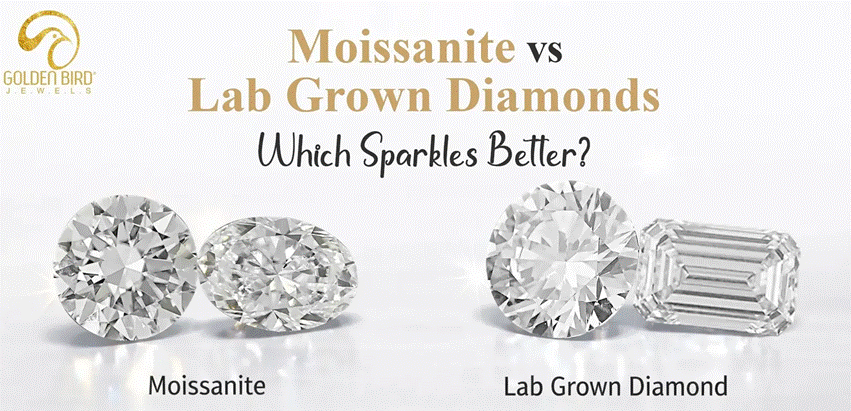
Lab diamonds are real diamonds, made of pure carbon and structured the same way as mined stones. They score 10 on the Mohs hardness scale, so they resist scratches, and they cost much less than mined diamonds of the same size and quality. That combination is why lab diamonds Melbourne have become a practical choice for people who wear their jewellery every day.
How lab diamonds handle everyday wear
A lab diamond tennis bracelet has the same hardness and shine as a mined one, so it survives knocks, hand washing, and gym sessions that would dull softer stones. Moissanite, cubic zirconia, and glass all scratch more easily, which shows up fast on a ring you never take off.
| Stone | Daily wear result | Cost |
| Lab diamond | Stays clear for years | Lower than mined |
| Mined diamond | Stays clear for years | Highest |
| Moissanite | Clouds over time | Moderate |
| Cubic zirconia | Scratches within months | Cheapest |
If you want a stone you can wear without checking it constantly, a lab diamond works; if you want the lowest price and wear the piece only on special days, cubic zirconia is fine.
What Affects the Price You Pay
Four things decide what a lab diamond costs: carat weight, cut quality, color, and clarity. Cut matters most, because a poorly cut stone looks dull no matter how big it is. Two stones of the same weight can differ a lot in price, so compare them side by side rather than trusting the number on the tag.
Tip: Ask to see the stone under normal room light, not just the bright shop lamp. Diamonds look different in each.
Is a Lab Diamond Right for You?
A lab diamond suits someone who wants a durable, clear stone and would rather spend the difference on a better cut or a nicer setting. It’s not for you if resale value matters, because lab diamonds sell for far less than you paid. That’s the honest trade-off: you get more stone for your money, but less back if you ever sell.
Mistakes That Cost You Money
- Buying on carat weight alone and ignoring the cut. A poorly cut 1-carat stone can look smaller and duller than a well-cut 0.8-carat one, and it costs less too.
- Assuming a certificate from any seller is trustworthy — check that a known grading lab issued it. A seller’s own paperwork is a sales document, not an appraisal.
- Skipping insurance, then losing the stone with no cover. If the piece is worth more than you could comfortably replace in cash, insure it before you wear it out of the house.
Decide your budget first, then look at cut before size, and ask each seller which grading lab certified the stone. That one question separates a fair price from an inflated one, and it takes less than a minute to ask.