



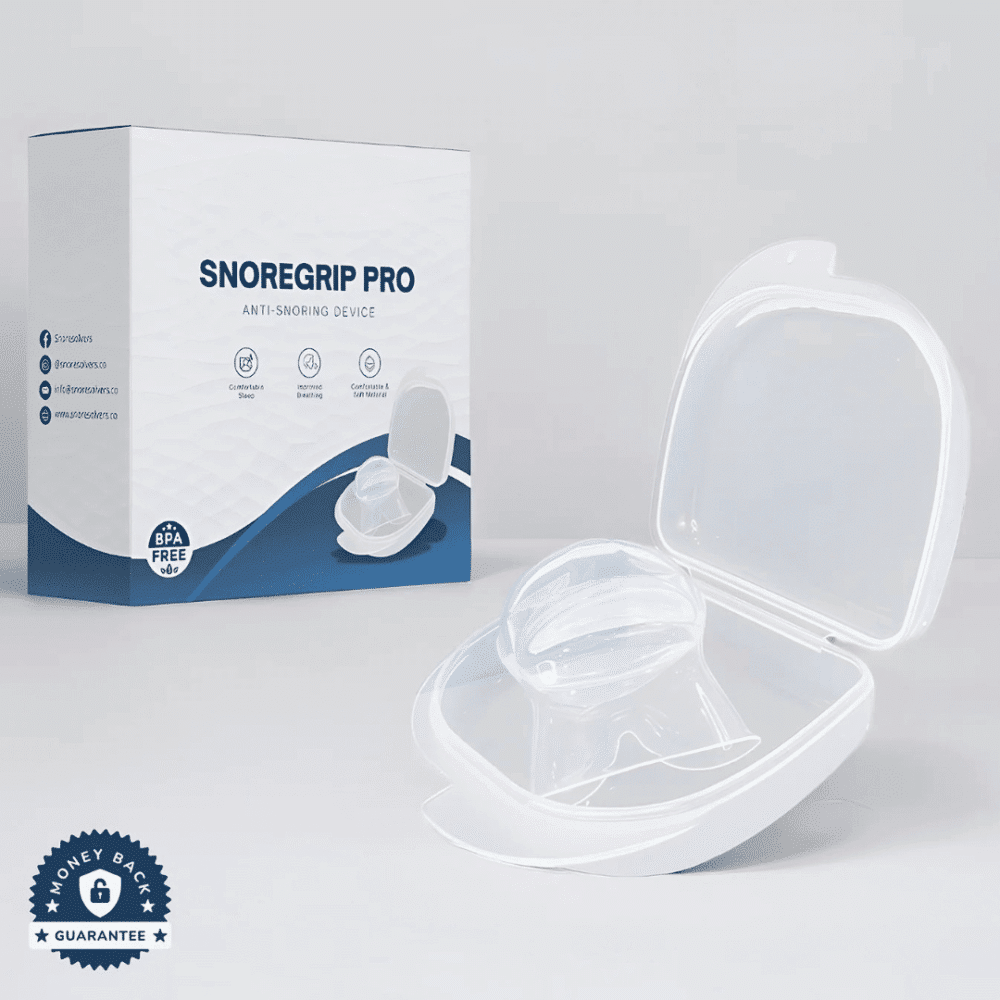
As a certified sleep specialist with years of clinical experience studying sleep architecture and upper airway biomechanics, I am constantly testing new anti-snoring devices and therapeutic sleep aids. When patients come to me complaining of fragmented rest, daytime fatigue, or a frustrated bed partner, the culprit is very often tongue-based airway resistance.
While CPAP machines and rigid mandibular advancement devices have long dominated the market, many individuals struggle with their bulky size, discomfort, or persistent jaw soreness. When I decided to personally test SnoreGrip Pro, I wanted to see if its minimalist tongue-stabilizing approach could truly deliver quiet, uninterrupted sleep without the drawbacks of traditional appliances.
My clinical evaluation of SnoreGrip Pro took place over several consecutive weeks of rigorous nightly testing. Right from the start, I evaluated its structural engineering, medical safety profile, ease of use, and overall impact on sleep continuity and breathing patterns. Here is my detailed review as a sleep expert on how this innovative device performed under real-world conditions.
How SnoreGrip Pro Works from a Sleep Science Perspective
To understand why SnoreGrip Pro is effective, it helps to examine the underlying anatomy of snoring. When you transition into deeper stages of sleep, the muscles throughout your body relax, including those in your mouth and throat. For a significant portion of snorers, the posterior mass of the tongue slips backward toward the throat, narrowing the pharyngeal passage. As air forces its way through this restricted space, the surrounding soft tissues vibrate, creating the familiar sound of heavy snoring.
SnoreGrip Pro utilizes a direct physiological mechanism known as tongue stabilization. Rather than pushing your lower jaw forward—which places immense stress on the temporomandibular joint—it uses a soft, vacuum-based silicone bulb to hold the tip of the tongue gently forward.
By maintaining this forward position throughout the night, the device prevents upper airway collapse at the root source. From an anatomical standpoint, keeping the tongue stable creates a clear, unobstructed breathing pathway without exerting structural pressure on the teeth or jaw joints.
Unboxing, Material Quality, and Initial Setup
When I unboxed SnoreGrip Pro, my immediate impression as a health professional was focused on material safety and construction quality. The device is crafted from soft, medical-grade, BPA-free silicone. The texture is smooth, flexible, and completely non-irritating to delicate oral mucosa, which is essential for any appliance intended for overnight wear.
Setting up SnoreGrip Pro requires zero custom molding, boiling water, or expensive dental visits. The application process is remarkably straightforward: you simply rinse the device under warm water, insert your tongue into the flexible sleeve, and squeeze the outer bulb to create a gentle vacuum seal.
You can easily calibrate the level of suction simply by adjusting how firmly you compress the bulb. Finding the right balance of secure suction without tightness took me less than a minute on my very first night.
My Personal Testing Experience and Results
During my multi-week trial, I tracked my sleep quality using acoustic monitoring apps and biomechanical sleep tracking tools. The first night brought a brief adaptation period—a normal physiological response when introducing any new oral device. However, by the second night, the gentle suction felt entirely natural, allowing me to fall asleep effortlessly whether sleeping on my back or on my side.
The quantitative and qualitative results were remarkable. My snore-tracking data revealed a dramatic reduction in snoring frequency and intensity, maintaining a quiet environment throughout the night. More importantly, my overall sleep continuity improved significantly.
By keeping my airway open, SnoreGrip Pro reduced micro-arousals, allowing me to spend optimal time in deep and REM sleep stages. I woke up each morning feeling genuinely refreshed, without the dry throat or morning grogginess that so often accompanies obstructed nighttime breathing.
Key Advantages Over Traditional Anti-Snoring Solutions
Having evaluated dozens of snoring remedies throughout my career, I found that SnoreGrip Pro excels in several critical areas compared to traditional options:
Zero Jaw and Tooth Pain: Traditional mandibular advancement mouthguards forcefully shift the lower jaw, often causing morning bite misalignment and joint stiffness. SnoreGrip Pro works exclusively on the tongue, completely eliminating temporomandibular strain.- Exceptional Hygiene and Maintenance: Cleaning the device is effortlessly quick. A simple rinse with warm water after each night keeps the non-porous silicone clean and pristine, with no complex hidden crevices for moisture buildup.
- Portability and Travel Convenience: Compact and lightweight, SnoreGrip Pro fits easily into a small travel case. It requires no electrical outlets, batteries, or cumbersome tubing, making it an ideal companion for travel, camping, and business trips.
- Universal Accessibility: Because it does not rely on bite alignment or natural teeth for leverage, it is suitable for a wider variety of users, including individuals who wear dentures or have dental bridge work.
Final Verdict: Is SnoreGrip Pro Worth Buying?
As a sleep expert who regularly scrutinizes wellness technology, I am thoroughly impressed by the design, comfort, and clinical effectiveness of this device. It directly tackles tongue-based airway collapse through a simple, non-invasive suction mechanism that yields quieter nights and deeper, more restorative sleep.
If you or your partner are struggling with chronic snoring, morning fatigue, or uncomfortable mouthpieces that strain your jaw, SnoreGrip Pro offers a gentle, practical, and highly effective alternative. Based on my clinical understanding of sleep physiology and my positive hands-on testing experience, SnoreGrip Pro is worth buying for anyone seeking long-term sleep improvement and peaceful nights.