



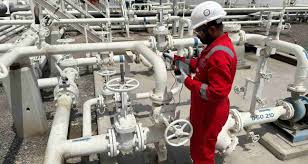
Maintaining the integrity of drainage systems across residential, commercial, and industrial properties is essential for preventing leaks, blockages, and environmental hazards. Whether you are constructing a new facility or managing an existing building, proper pipe testing plays a major role in confirming system reliability. One of the most effective tools used in this process is the pipe plug. These plugs isolate sections of pipelines, allowing technicians to test, inspect, or repair the system in a controlled and safe environment. Among the many types available, high expansion pipe plugs offer superior versatility for larger pipelines and complex drainage networks.
In addition, modern urban environments like Dubai require testing methods tailored for high-rise buildings, commercial centres, and infrastructure projects. In these cases, a pipe test plug in Dubai becomes essential for precise sealing and high-pressure testing. When used correctly, the right plug ensures that drainage systems operate safely, efficiently, and in compliance with engineering standards.
Understanding the Role of Pipe Testing in Modern Infrastructure
Pipe testing is more than a routine inspection. It is a protective measure that helps identify hidden defects, early signs of corrosion, loose joints, or structural weaknesses. Testing also:
- Ensures the system can handle operational pressures
- Identifies leaks before they become costly issues
- Confirms drainage performance during renovations
- Supports compliance with municipal and engineering guidelines
As buildings and infrastructure age, regular testing becomes even more important. This is especially true in busy urban areas where drainage systems must handle large volumes of wastewater daily.
What Makes High Expansion Pipe Plugs Different?
Unlike standard pipe plugs, which are designed for smaller or uniform pipe openings, high expansion pipe plugs are engineered to expand significantly during installation. This enables them to create a strong and reliable seal inside larger pipes or pipes with irregular internal surfaces. They can adapt to varying shapes, making them suitable for industrial pipelines, stormwater drains, and complex sewage networks.
These plugs are widely used in:
- Hydrostatic pressure testing
- Blockage control during repairs
- Maintenance shutdowns
- Leakage diagnosis
- Temporary sealing during construction
Their flexible expansion capacity allows technicians to work safely and efficiently in large diameter pipelines. This adaptability reduces the need for multiple plug sizes, saving time and lowering operational costs.
Why Testing Matters in Dubai’s Drainage Systems
Dubai’s drainage networks experience constant pressure due to rapid development, population growth, and the demands of high-rise infrastructure. These factors make testing essential for maintaining hygiene, safety, and structural reliability. A pipe test plug in Dubai is a necessary tool for testing both small lines and large drainage channels found in commercial towers, hotels, industrial properties, and residential communities.
Testing plugs make it possible to:
- Isolate small sections without shutting down entire systems
- Verify installations in new buildings.
- Inspect pipeline repairs
- Conduct CCTV drainage surveys.
- Prevent contamination during maintenance.
Without proper testing, facilities may encounter unexpected leaks, flooding, backflow issues, or premature pipe failures.
Key Benefits of Using High Expansion Plugs
1. Versatility
These plugs are suitable for a wide range of pipe materials, including PVC, concrete, steel, cast iron, and HDPE. Their expandable design makes them effective in both smooth and rough interior surfaces.
2. Strong Sealing Performance
High expansion plugs deliver a tight and reliable seal even in challenging environments. They can hold back significant pressure, which is essential during hydrostatic or pneumatic testing.
3. Compatibility With Large Diameter Pipelines
Larger pipes present unique challenges. These plugs expand far beyond the range of standard plugs, allowing technicians to test or isolate large sections with confidence.
4. Increased Safety
By forming a stable seal, these plugs reduce the risk of pressure failures and prevent wastewater from flowing into active work zones.
5. Efficient Installation
Technicians can install these plugs quickly, reducing downtime and minimising interruptions to building operations.
How Pipe Test Plugs Work During Testing
A properly executed test involves several steps, each designed to maintain accuracy and safety:
- Inspection
The pipe is examined to ensure it is clear of debris or sharp edges that may damage the plug. - Placement
The plug is inserted into the required section of the pipe without overinflation. - Expansion
For high expansion pipe plugs, air or water is used to expand the plug until it forms a tight seal against the pipe walls. - Testing Phase
The pipe segment is filled with water to the required pressure level. Technicians monitor pressure gauges to verify stability. - Evaluation
The pipe must maintain the set pressure for the required duration. Any pressure drop indicates a leak or weakness that needs attention. - Removal
After testing, the plug is safely deflated and removed.
This method allows teams to isolate problems, confirm repairs, and validate new installations.
Situations Where Advanced Pipe Plugs Are Essential
- New construction compliance
Engineers require pressure testing before projects are approved. - Commercial facility maintenance
Large buildings need frequent drainage checks to avoid downtime. - Industrial shutdowns
Factories use plugs during routine inspections or emergency repairs. - Sewer line rehabilitation
Testing plugs provide controlled environments for relining or patch repairs. - Stormwater drainage inspections
High expansion plugs help isolate large channels for cleaning or testing.
Safety Precautions During Plug Use
- Always match plug size with pipe diameter.
- Do not exceed recommended inflation levels.
- Monitor all equipment during testing.
- Use proper protective gear.
- Ensure secure anchoring in high-pressure applications.
- Document test results for future reference
Following safety rules protects both the technicians and the drainage system.
Conclusion
Pipe testing plays an essential role in maintaining strong and dependable drainage networks throughout the region. Using advanced solutions such as high-expansion pipe plugs ensures that large pipelines can be isolated and sealed safely during inspections, maintenance, or repairs. Meanwhile, a pipe test plug in Dubai provides a precise and reliable way to test smaller or standard pipelines across residential, commercial, and industrial sites. Together, these tools support long-term performance, structural safety, and efficient maintenance planning. Quality testing today prevents costly issues tomorrow and supports healthier drainage systems for every property.
Protect your property with reliable pipeline isolation, professional testing, and advanced drainage solutions. Contact JB ALLO Sewage today for expert service, modern pipe testing tools, and dependable support for all drainage system needs.