



If you are struggling with missing or failing teeth, you may be wondering about the best solution to restore your smile, confidence, and oral health. Full mouth dental implants offer a long-lasting, natural-looking alternative to traditional dentures or bridges. But are they the right choice for you? In this comprehensive guide, we will explore everything you need to know about full mouth dental implants, from the benefits and procedure to potential drawbacks and costs.
What Are Full Mouth Dental Implants?
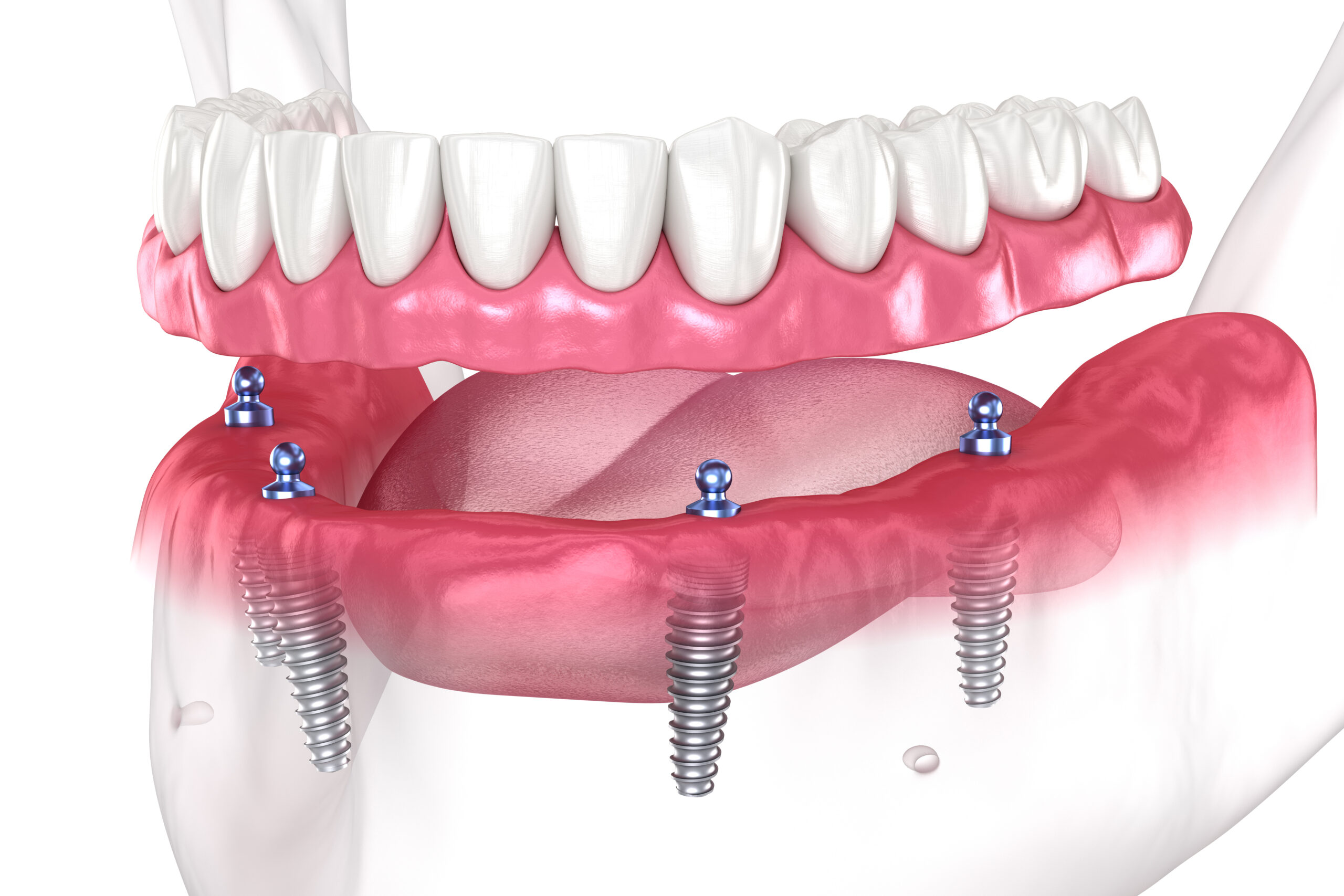
Full mouth dental implants are a permanent tooth replacement solution for individuals who have lost most or all of their teeth. Instead of relying on removable dentures, this treatment involves surgically placing multiple dental implants in the jawbone to support a full arch of prosthetic teeth. These implants function like artificial tooth roots, providing a stable foundation for a custom-made bridge or denture.
There are two main types of full mouth dental implant procedures:
- All-on-4 Dental Implants: This method uses four strategically placed implants to support a full arch of teeth. The implants are positioned at an angle to maximize stability, often eliminating the need for bone grafting.
- All-on-6 or All-on-8 Dental Implants: These variations use six or eight implants per arch for increased support and durability.
Benefits of Full Mouth Dental Implants
Many patients choose full mouth dental implants because of the numerous advantages they offer over traditional dentures and bridges. Here are some of the key benefits:
1. Improved Appearance and Confidence
Full mouth dental implants look and feel like natural teeth. They restore facial structure by preventing bone loss, which can cause a sunken appearance over time. This helps maintain a youthful and vibrant look.
2. Enhanced Comfort and Functionality
Unlike removable dentures, which can slip or cause discomfort, implants are securely anchored in the jawbone. This stability allows for easier chewing and speaking and an overall more comfortable experience.
3. Long-Lasting Solution
With proper care, full mouth dental implants can last a lifetime. Unlike dentures that need to be replaced every few years, implants provide a more permanent solution to tooth loss.
4. Better Oral Health
Dental implants stimulate the jawbone, preventing bone deterioration and maintaining oral health. Traditional dentures do not offer this benefit and can actually contribute to bone loss over time.
5. No Dietary Restrictions
Dentures can make eating certain foods difficult or uncomfortable. Full mouth dental implants allow you to enjoy all types of food, from crunchy vegetables to chewy meats, without worry.
Are You a Candidate for Full Mouth Dental Implants?
While full mouth dental implants offer significant benefits, they are not suitable for everyone. Here are some factors that determine whether you are a good candidate for the procedure:
1. Sufficient Jawbone Density
Since dental implants are anchored into the jawbone, having enough bone density is crucial. If you have experienced bone loss, you may need a bone graft before the implants can be placed.
2. Overall Health Condition
Candidates should be in good overall health. Conditions such as uncontrolled diabetes, certain autoimmune diseases, or heavy smoking can affect healing and increase the risk of implant failure.
3. Commitment to Oral Hygiene
Proper care is essential for the longevity of dental implants. Regular brushing, flossing, and dental check-ups are necessary to prevent infection and ensure the implants remain in good condition.
4. Realistic Expectations
The process of getting full mouth dental implants can take several months and requires multiple procedures. Understanding the commitment and potential discomfort involved is important before making a decision.
The Full Mouth Dental Implant Procedure
The process of getting full mouth dental implants involves multiple steps and can take several months to complete. Here is a step-by-step overview:
1. Initial Consultation and Evaluation
Your dentist or oral surgeon will assess your oral health, take X-rays or 3D scans, and discuss your treatment options. If bone grafting is needed, this will be planned before the implants are placed.
2. Implant Placement Surgery
During this procedure, titanium implants are surgically inserted into the jawbone. Depending on the technique used, four to eight implants may be placed per arch. Healing time varies but typically takes three to six months.
3. Osseointegration
This is the process where the implants fuse with the jawbone, creating a strong and stable foundation for the artificial teeth.
4. Abutment Placement
Once the implants have fully integrated, small connectors called abutments are attached to the implants. These serve as the attachment points for the prosthetic teeth.
5. Final Prosthetic Placement
A custom-made bridge or denture is securely attached to the abutments, completing the restoration. Adjustments may be made to ensure a perfect fit and natural appearance.
Potential Drawbacks of Full Mouth Dental Implants
While full mouth dental implants offer numerous benefits, there are also some potential drawbacks to consider:
1. Cost
The cost of full mouth dental implants can range from $20,000 to $50,000 per arch, depending on the complexity of the procedure and the materials used. However, many patients find the investment worthwhile due to the long-term benefits.
2. Lengthy Treatment Process
The entire process can take several months, requiring patience and commitment. Healing time varies from person to person.
3. Surgical Risks
As with any surgical procedure, there is a risk of infection, implant failure, or complications such as nerve damage. Choosing a skilled and experienced implant specialist can minimize these risks.
How to Maintain Full Mouth Dental Implants
Proper care and maintenance are crucial to ensuring the longevity of your implants. Here are some tips to keep them in top condition:
- Brush and floss daily to prevent plaque buildup.
- Use a water flosser or interdental brushes to clean around the implants.
- Avoid smoking, as it can increase the risk of implant failure.
- Schedule regular dental check-ups and professional cleanings.
- Avoid excessive pressure on the implants by refraining from habits like chewing on ice or biting hard objects.
Are Full Mouth Dental Implants Right for You?
Full mouth dental implants are a transformative solution for those looking to restore their smile, improve their oral health, and regain confidence. While they are more expensive and require a longer treatment process, the benefits far outweigh the drawbacks for many patients.
If you are considering full mouth dental implants, schedule a consultation with a qualified implant specialist to determine if you are a suitable candidate. With proper care, full mouth dental implants can provide a lifetime of comfort, function, and beauty.
Are you ready to take the next step toward a brand-new smile? Contact a dental professional today to explore your options and find out if full mouth dental implants are the right choice for you!