



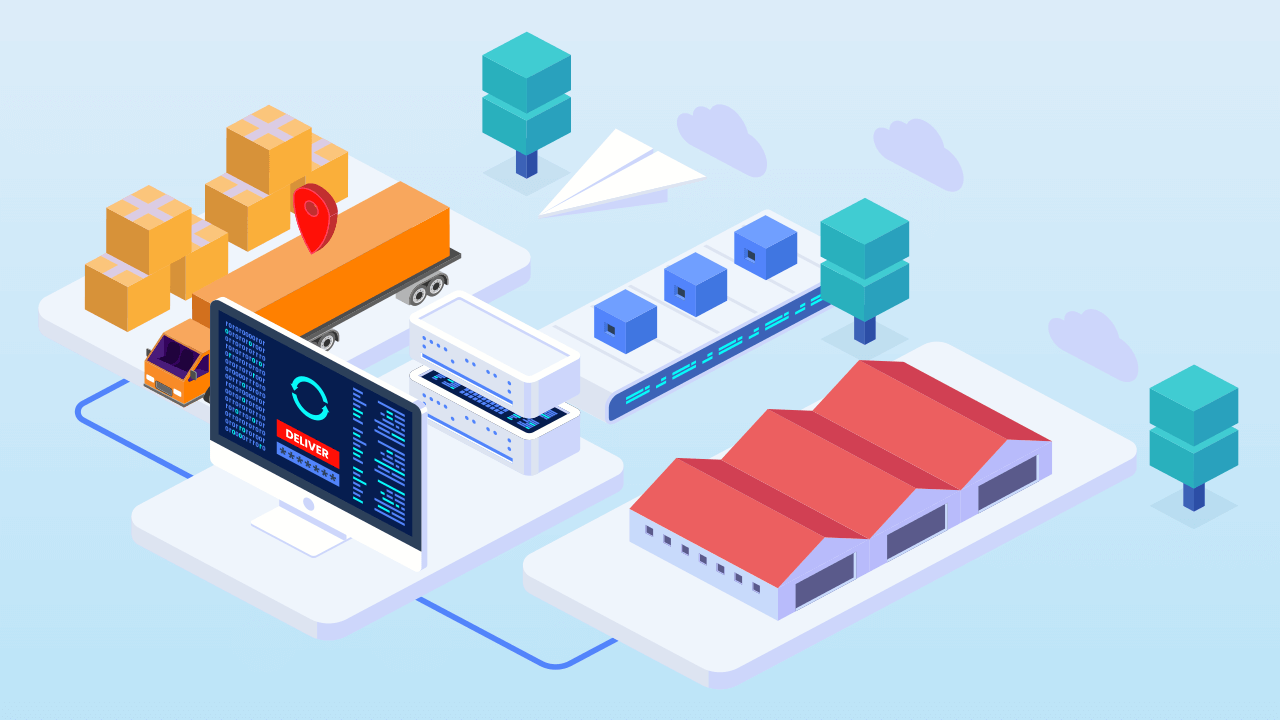
Supply chain management (SCM) has become increasingly crucial for companies aiming to stay competitive in a globalized market. As we enter 2025, supply chain management software (SCMS) has advanced significantly, integrating artificial intelligence (AI), machine learning (ML), and real-time analytics to address modern challenges. These innovations are helping businesses streamline processes, predict demand, mitigate risks, and improve overall efficiency.
In this article, we’ll explore some of the best supply chain management software options in 2025, focusing on their features, benefits, and how they empower organizations to manage their supply chains more effectively.
1. SAP Integrated Business Planning (IBP)
Overview: SAP IBP remains one of the top choices in SCM software, delivering end-to-end supply chain visibility and real-time data insights. SAP IBP integrates seamlessly with SAP S/4HANA, which provides a unified platform for inventory management, demand forecasting, and collaborative planning.
Features:
- Predictive Analytics and Demand Sensing: Powered by AI, SAP IBP can accurately forecast demand, helping businesses plan inventory and production schedules more effectively.
- Real-Time Collaboration: Teams across departments and locations can collaborate in real-time, ensuring alignment in decision-making.
- What-If Scenarios: Planners can simulate various scenarios to determine the best course of action for different market conditions.
Benefits: SAP IBP’s integration with SAP’s ecosystem allows companies to harness the power of data for streamlined operations and precise planning. Its predictive analytics ensure that companies are better prepared for fluctuations in demand and supply, reducing the risk of overstocking or stockouts.
2. Oracle SCM Cloud
Overview: Oracle SCM Cloud offers a robust suite of tools for comprehensive supply chain management, covering procurement, product lifecycle management, and logistics. The platform leverages cloud capabilities, ensuring accessibility and scalability for businesses of all sizes.
Features:
- AI-Powered Demand Forecasting: Oracle SCM Cloud uses AI to improve demand forecasting accuracy, reducing excess inventory and avoiding stockouts.
- IoT-Driven Insights: Real-time data from IoT devices enables detailed tracking of goods throughout the supply chain, improving visibility.
- End-to-End Automation: Oracle SCM Cloud automates key processes, from sourcing and procurement to order fulfillment.
Benefits: With Oracle SCM Cloud, companies benefit from advanced automation and insights, which streamline supply chain operations and enhance overall visibility. The platform’s scalability and integration with other Oracle products make it ideal for growing businesses.
3. Blue Yonder
Overview: Blue Yonder, formerly JDA Software, is a leader in AI-driven supply chain solutions. It specializes in retail, manufacturing, and logistics and is renowned for its robust AI and ML capabilities.
Features:
- Machine Learning for Demand Forecasting: Blue Yonder’s ML models analyze historical data and real-time market trends to deliver accurate demand forecasts.
- Real-Time Inventory Optimization: The platform analyzes inventory levels and demand in real time, helping companies minimize excess stock and reduce storage costs.
- Warehouse Management and Labor Planning: The software provides tools to optimize warehouse layouts and labor schedules, enhancing efficiency.
Benefits: Blue Yonder’s use of AI and ML allows businesses to make data-driven decisions, improving forecast accuracy and warehousing efficiency. This can lead to significant cost savings and enhanced customer satisfaction.
4. Infor Nexus
Overview: Infor Nexus is cloud-based SCM software that focuses on global trade and logistics. It provides companies with end-to-end supply chain visibility, enabling them to manage complex international trade networks.
Features:
- Global Trade Management: The software helps companies comply with international trade regulations, reducing the risk of fines and delays.
- Supplier Collaboration Platform: Infor Nexus allows companies to collaborate closely with suppliers, improving communication and reducing lead times.
- Predictive ETAs: The software uses predictive analytics to estimate arrival times, enhancing planning accuracy.
Benefits: Infor Nexus is especially valuable for companies managing complex global supply chains. Its predictive analytics and compliance tools reduce risks associated with international trade, such as customs delays or unexpected tariffs.
5. Manhattan Associates Supply Chain Software
Overview: Manhattan Associates provides supply chain management software focusing on warehousing and distribution. Known for its robust warehouse management system (WMS), Manhattan’s SCM solution is ideal for companies looking to optimize inventory management and distribution.
Features:
- Warehouse Management System (WMS): The WMS module streamlines warehouse operations, from inventory tracking to order picking and packing.
- Transportation Management System (TMS): The TMS feature optimizes logistics and transportation, reducing costs and delivery times.
- Omnichannel Fulfillment: Designed for the retail sector, this feature allows for seamless order fulfillment across multiple channels, including e-commerce and in-store.
Benefits: Manhattan’s software is particularly beneficial for retailers and distributors that need a reliable, efficient warehousing and transportation management solution. Its omnichannel fulfillment feature helps companies meet customer demands more effectively.
6. Kinaxis RapidResponse
Overview: Kinaxis RapidResponse is known for its rapid decision-making capabilities, providing real-time visibility across the supply chain. The platform’s speed and flexibility make it suitable for companies operating in dynamic industries with constantly changing demand.
Features:
- Concurrent Planning: Kinaxis allows simultaneous planning across multiple supply chain functions, including demand, inventory, and production.
- Scenario Simulation: Users can simulate various supply chain scenarios to identify the best response to potential disruptions.
- Risk Management: The platform offers tools to analyze risks and develop contingency plans, ensuring business continuity.
Benefits: Kinaxis RapidResponse is ideal for fast-paced industries, where the ability to make quick decisions is critical. Its scenario planning and risk management capabilities enable businesses to respond proactively to disruptions.
7. Coupa Supply Chain
Overview: Coupa Supply Chain software emphasizes cost savings and supplier management. Known for its procurement capabilities, Coupa is ideal for companies looking to enhance their supply chain’s efficiency and transparency.
Features:
- Spend Management: Coupa’s procurement module tracks and manages spending, helping companies find cost-effective suppliers.
- Supplier Management: The platform facilitates collaboration with suppliers, enhancing transparency and reducing lead times.
- Inventory Management: Coupa’s inventory tracking features allow for precise control over stock levels, reducing wastage and minimizing costs.
Benefits: Coupa is especially valuable for companies focused on cost control and procurement. Its focus on spend and supplier management helps businesses optimize supply chain spending while building stronger supplier relationships.
8. Logility
Overview: Logility offers a suite of SCM tools designed to help companies manage demand planning, inventory, and replenishment. The software is known for its user-friendly interface and strong planning capabilities.
Features:
- Demand Planning and Forecasting: Logility’s forecasting tools help companies anticipate demand, reducing the risk of overstocking or stockouts.
- Inventory Optimization: The software provides insights into inventory levels, ensuring that stock is available where it’s needed most.
- Supplier Collaboration: Logility’s supplier management features allow for better communication, reduced lead times, and improved efficiency.
Benefits: Logility is ideal for businesses that need robust demand planning and inventory management tools. Its focus on planning and collaboration helps companies achieve a more streamlined supply chain.
9. E2open
Overview: E2open provides a network-based SCM platform that offers real-time visibility and collaboration across the supply chain. The platform connects suppliers, manufacturers, and customers, fostering collaboration and improving responsiveness.
Features:
- Integrated Business Planning: E2open offers integrated planning tools that align operations, finance, and demand planning.
- Real-Time Visibility: The platform provides end-to-end visibility, allowing companies to track goods in real-time.
- Supplier Collaboration: E2open’s network allows for better collaboration with suppliers, reducing the risk of delays.
Benefits: E2open is a valuable choice for companies that need extensive visibility and collaboration capabilities. Its network-based approach fosters stronger supplier relationships, enabling a more resilient supply chain.
10. Anaplan
Overview: Anaplan’s SCM platform is known for its flexibility and adaptability, making it a preferred choice for companies with complex planning requirements. The software’s cloud-based infrastructure ensures that it can scale with growing businesses.
Features:
- Flexible Planning: Anaplan allows users to adapt their planning models to meet changing business needs.
- Real-Time Analytics: The platform’s analytics tools help companies make data-driven decisions, improving supply chain responsiveness.
- Scenario Planning: Anaplan enables users to simulate scenarios, allowing them to prepare for potential disruptions.
Benefits: Anaplan’s flexibility and scenario planning capabilities make it ideal for companies that require adaptable planning tools. Its real-time analytics help businesses stay agile and responsive.
Conclusion
Choosing the right supply chain management software in 2025 is essential for companies aiming to remain competitive. Each platform offers unique features, from AI-driven forecasting to real-time visibility and advanced planning tools. The key is to assess each software’s specific capabilities and determine which solution aligns best with your business needs. With the right supply chain management software, companies can increase efficiency, reduce costs, and enhance customer satisfaction.
For businesses seeking to optimize their supply chain, evaluating these software options and understanding their features will empower them to make informed decisions and ensure success in an increasingly complex global marketplace.