



A confident smile can light up a room. For many, however, the idea of showing their teeth for the camera may stir feelings of insecurity. If you’ve struggled with uneven teeth, a misaligned bite, or spacing issues, you’re not alone. Orthodontic treatments have helped millions of people achieve smiles they feel proud to share—and the best part? These treatments are now more accessible and advanced than ever before.
Understanding the Link Between Confidence and a Great Smile
There’s a special kind of power in smiling. Smiling can elevate mood, foster connections, and leave a lasting impression. But if you feel self-conscious about your teeth, smiling openly can feel like a burden rather than a joy.
Orthodontic treatments exist not just to improve oral functionality but also to enhance your self-esteem. With the right treatment, you’ll notice how a great smile can help you tackle life’s big and small moments with newfound confidence.
The Basics of Orthodontic Treatments
What Are Orthodontic Treatments?
Orthodontic treatments focus on correcting teeth and jaw alignment issues. These specialized dental solutions are performed by orthodontists—dentists trained to diagnose and treat irregularities in teeth and facial structure.
Treatments often involve applying consistent, gentle pressure to move teeth into a more aligned position over time. While traditional metal braces are the most common image that comes to mind, orthodontic solutions today encompass a wide range of technologies designed for different needs and lifestyles.
How Do They Work?
Orthodontic treatments use tools like bonded brackets, aligners, wires, and bands to shift teeth and jaw positioning strategically. Here’s a simplified breakdown of how these solutions work:
- Assessment: Orthodontists assess your current condition by taking X-rays, photos, and impressions.
- Custom Treatment Plan: Based on your unique orthodontic needs, they’ll draft a treatment plan that specifies the tools and techniques to be used.
- Gradual Shifting: Over time, small adjustments guide teeth into their ideal positions. Regular follow-ups ensure treatment stays on track.
With advances in technology, treatment today is tailored and patient-friendly, offering shorter timelines and less invasive procedures when compared to past methods.
Different Types of Orthodontic Treatments
Orthodontics isn’t one-size-fits-all. Treatment options are as diverse as patients’ needs. Here’s a look at some of the most popular choices available today:
1. Traditional Braces
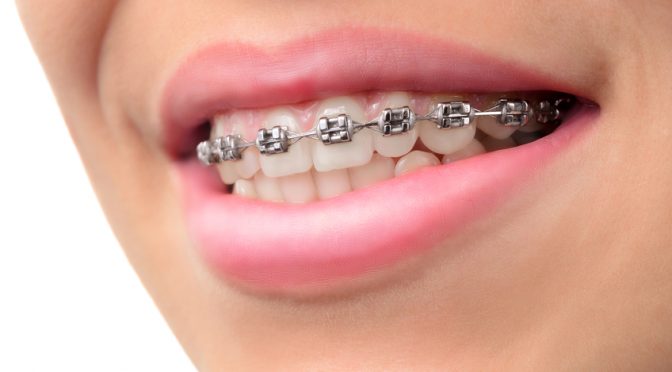
Made of metal brackets, wires, and elastic bands, traditional braces remain the go-to solution for cases requiring significant adjustments. Braces can correct complex alignment issues and typically require monthly appointments for tightening and adjustments.
2. Ceramic Braces
Functionally similar to traditional braces, ceramic braces blend in with your teeth more seamlessly due to their translucent or tooth-colored brackets. They’re a great option for those looking for effectiveness with a subtler appearance.
3. Invisalign
A favorite among adults and teens looking for discretion, Invisalign uses clear, customized aligners to adjust teeth. The aligners are virtually invisible, removable for eating or brushing, and a fantastic option for mild to moderate alignment issues.
4. Lingual Braces
Placed on the inside of the teeth rather than the front, lingual braces are practically invisible from an outside view, making them an ideal choice for professionals or anyone seeking a discreet alternative.
5. Bonded Brackets
This innovative approach uses brackets affixed directly to the teeth using a bonding agent. They’re lightweight, secure, and highly effective in securely guiding teeth into their intended positions.
6. Retainers
Retainers are used after orthodontic treatment to maintain alignment and prevent teeth from shifting back. Your orthodontist will decide whether you need a removable or fixed retainer post-treatment.
Beyond Aesthetics: Oral Health Benefits of Orthodontics
While improving your smile is a compelling reason to explore orthodontics, the benefits reach far beyond aesthetics. Properly aligned teeth make a significant impact on overall mouth health. Here are some key advantages to consider:
1. Easier Cleaning
Crowded or overlapping teeth can create tight spots where plaque and bacteria thrive. Orthodontics straightens out these spaces, making it easier to brush and floss effectively, reducing the risk of cavities and gum disease.
2. Reduced Wear and Tear
Misaligned teeth can cause uneven pressure when biting or chewing, leading to premature enamel wear. With orthodontic adjustments, this pressure is properly distributed, ensuring your teeth stay healthy and functional over the long haul.
3. Improved Speech
Teeth play a vital role in articulation. Misalignment can sometimes interfere with speech clarity. Treatments can enhance not just your smile but your ability to communicate effectively.
4. Alleviation of Jaw Pain
Misaligned jaw structures might contribute to discomfort or disorders like TMJ. Orthodontic treatment helps bring your teeth and jaw into alignment, alleviating pressure and discomfort in the process.
How to Get Started with Orthodontic Treatments
Thinking about embarking on your orthodontic journey? Here’s how you can take the first steps toward a healthier smile and boosted confidence.
1. Schedule a Professional Evaluation
Visit an orthodontist to understand what treatment options are suitable for your needs. They’ll guide you through assessments to chart the course for your orthodontic transformation.
2. Understand Your Options
Every case is unique. Work with your orthodontist to explore the pros, cons, and costs of different solutions, whether it’s a traditional approach or something more modern like Invisalign.
3. Communicate Your Goals
Are you more focused on aesthetics, oral health, or both? Having a clear conversation with your orthodontist about your expectations ensures you choose a treatment plan suited to your lifestyle.
4. Plan for Maintenance
Post-treatment care is just as important as the treatment itself. Commit to wearing retainers and follow any maintenance protocols recommended by your orthodontist.
Conclusion
Orthodontic treatments do so much more than align your teeth—they transform how you see yourself. Whether you’re correcting oral health issues, refining your facial aesthetics, or working to achieve your best smile, the benefits are undeniable. If you’ve been on the fence about starting orthodontic treatment, now’s the time to leap.local orthodontist St Petersburg Schedule a consultation with your local orthodontic provider and take the first step toward a more confident you. Your smile and your confidence deserve it.