



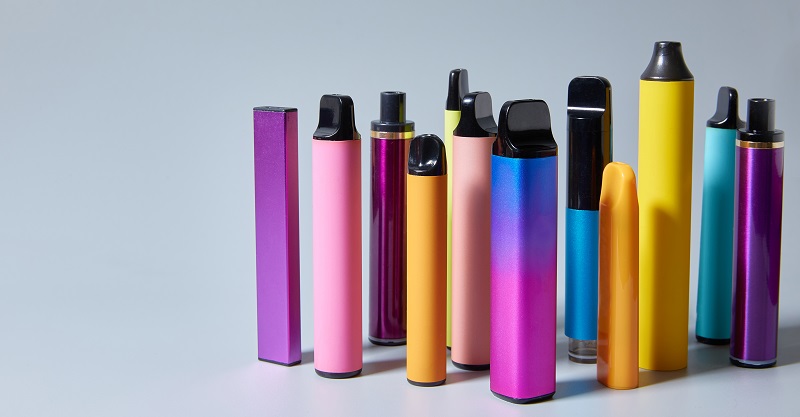
Disposable vapes have surged in popularity due to their convenience and sleek design. However, as their usage grows, so does concern over their environmental impact. The question remains: Can disposable vapes be recycled? The answer is more complex than a simple yes or no, as it involves understanding the components of these devices, current recycling options, and sustainable practices.
Understanding Disposable Vapes
Disposable vapes are compact electronic devices designed for single-use. They typically consist of three main components:
- Plastic Housing: The outer casing is often made of non-biodegradable plastics.
- Lithium-ion Battery: These small batteries power the device and are considered hazardous waste if improperly disposed of.
- Electronic Components and E-liquid Reservoir: The internal parts include a coil, circuit board, and a reservoir containing e-liquid.
These materials pose unique challenges for recycling because they require separation and specialized handling.
Recycling Challenges
The biggest hurdle in recycling disposable vapes is their design. Unlike larger electronics, disposable vapes are not intended to be disassembled easily. This makes the separation of materials, such as plastic, metal, and electronic components, labor-intensive and costly.
Additionally, the lithium-ion batteries used in these devices pose fire and chemical risks if handled incorrectly. Recycling centers must have specialized facilities to process these batteries safely, which many do not.
Current Recycling Options
Despite the challenges, there are recycling options available:
- Electronic Waste Recycling Centers: Some facilities accept disposable vapes as part of their electronic waste programs. They dismantle the devices to recover reusable materials like metals and safely dispose of hazardous components.
- Battery Recycling Programs: Since the battery is a critical component, some battery-specific recycling initiatives accept disposable vapes. However, this often requires removing the battery beforehand, which can be difficult for consumers.
- Manufacturer Take-Back Programs: A few vape manufacturers and retailers have started take-back programs, allowing users to return used devices for proper recycling. This is an encouraging step toward reducing waste.
Why Most Disposable Vapes End Up in Landfills
Despite the existence of recycling options, many disposable vapes end up in landfills. This is primarily due to a lack of awareness among consumers about proper disposal methods. Additionally, the inconvenience of finding suitable recycling facilities and the absence of clear labeling on devices contribute to improper disposal.
When disposable vapes are discarded in landfills, they can leach harmful chemicals into the soil and water, posing long-term environmental risks. The plastic housing also contributes to the growing problem of plastic pollution.
The Importance of Sustainability in the Vape Industry
The disposable vape trend highlights the need for greater sustainability in the vaping industry. Manufacturers, retailers, and consumers all have a role to play in reducing environmental impact. Here are some steps the industry can take:
- Eco-friendly Design: Developing vapes with biodegradable or recyclable materials can significantly reduce waste.
- Refillable Options: Encouraging the use of refillable vapes instead of disposables can lower the number of devices ending up in landfills.
- Education and Awareness: Retailers and manufacturers can educate consumers about proper disposal and recycling practices through labeling and marketing campaigns.
- Legislation and Regulation: Governments can introduce regulations that require manufacturers to ensure their products are recyclable and to implement take-back programs.
Sustainable Alternatives for Consumers
As a consumer, there are steps you can take to reduce the environmental impact of disposable vapes:
- Switch to Refillable Devices: Refillable vapes generate less waste and are often more cost-effective in the long run.
- Proper Disposal: Research local recycling options for electronic waste and batteries to dispose of disposable vapes responsibly.
- Support Sustainable Brands: Choose brands that prioritize eco-friendly practices and offer recycling programs.
- Spread Awareness: Educate friends and family about the environmental impact of disposable vapes and encourage responsible practices.
The Future of Disposable Vape Recycling
The future of disposable vape recycling lies in innovation and collaboration. Technological advancements can make recycling processes more efficient and cost-effective. At the same time, industry-wide initiatives and stricter regulations can ensure more devices are properly recycled.
For instance, implementing a standardized labeling system indicating how to recycle each component of a disposable vape could make a significant difference. Moreover, partnerships between manufacturers and recycling facilities could streamline the take-back and recycling process.
Conclusion
While disposable vapes can technically be recycled, the process is currently not straightforward due to design and logistical challenges. The onus is on manufacturers to create sustainable products and systems, while consumers can contribute by making informed choices and disposing of vapes responsibly.
By embracing sustainable practices and supporting eco-friendly initiatives, we can reduce the environmental impact of disposable vapes and move toward a greener future. Every small step counts when it comes to protecting our planet.