



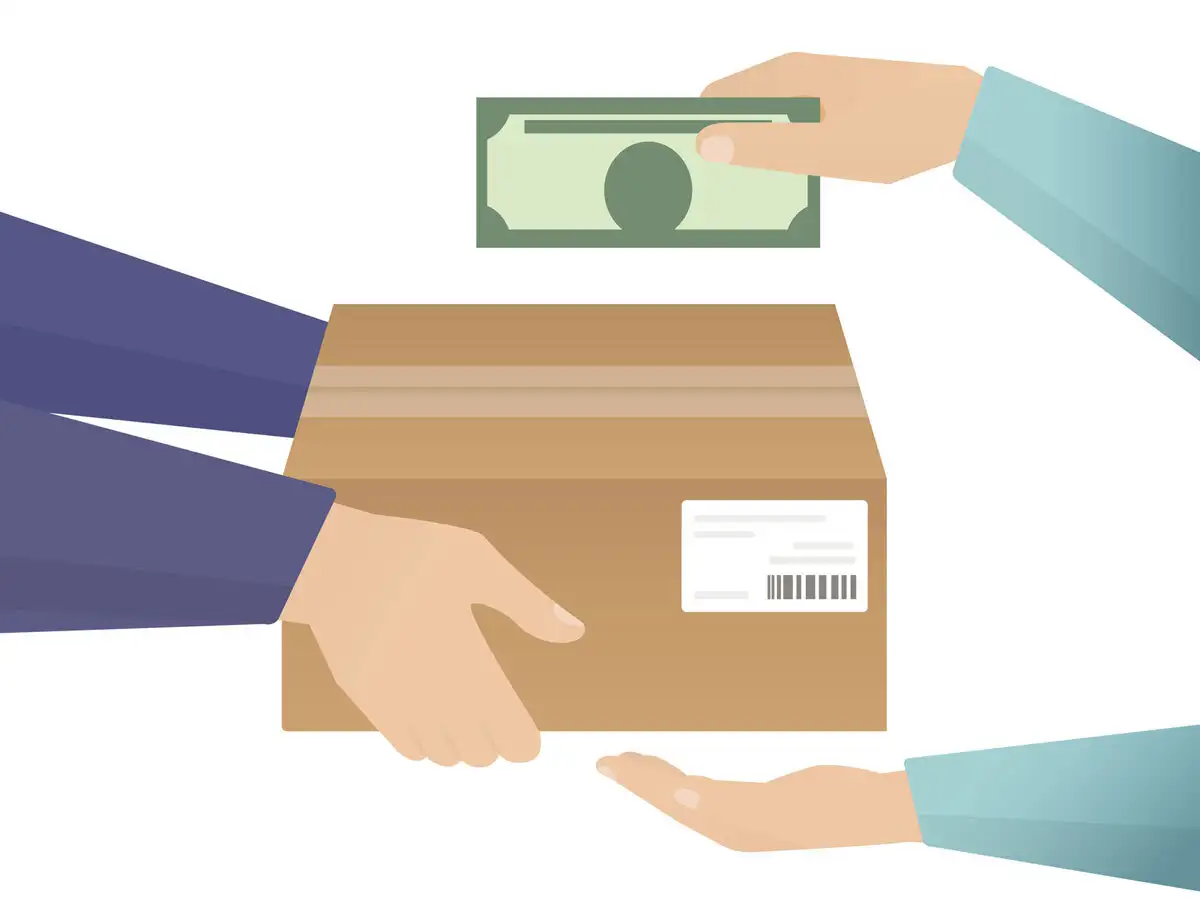
Some decisions in business depend on trust, timing, and the kind of customer you’re speaking to. Choosing a payment method is one of them. For online sellers in India, especially those navigating the vast marketplace through Flipkart Seller Hub, the choice between cash on delivery (COD) and digital payments can shape both reach and reputation.
Why Cash on Delivery Still Works?
Despite the surge in UPI transactions and card-based payments, many customers still lean towards paying in cash. COD remains a trusted choice, especially for first-time buyers or those from regions where digital trust hasn’t fully taken root. It gives them control—pay only after the product arrives, not before.
Flipkart connects with over 50 crore customers across India. Hence, COD plays a vital role in reaching customers in Tier 2 and Tier 3 towns, where digital adoption is growing but not universal. Here, it’s not just a feature. It’s a growth lever. The presence of COD often tips the scale in your favour, converting hesitant browsers into confident buyers.
And it doesn’t stop there. Flipkart Seller Hub provides built-in tools to help you manage COD orders, track fulfilment, and stay ahead of issues like returns.
The Other Side of COD: Challenges You Can’t Ignore
But of course, cash on delivery is not without its complications. Sometimes the customer isn’t available. Sometimes they simply refuse the order. That’s a return you didn’t plan for—known in the system as Return-To-Origin (RTO). It’s not just lost revenue; it’s additional shipping cost, logistics effort, and time that won’t come back.
If you miss your Ready-to-Dispatch (RTD) deadlines on COD orders, your seller rating could take a hit. It’s not just about delivery speed—it’s about consistency. Fortunately, Flipkart Seller Hub’s Order Management System gives you a clear view of problem pin codes and helps you make smarter decisions before the next dispatch.
Digital Payments: Fast, Clear, and Reliable
Now let’s shift focus. With digital payments, everything moves a little faster. The money comes in earlier. The cancellation rate drops. There’s less second-guessing and fewer unclaimed packages sitting in return bins.
Across Flipkart’s massive seller base—14 lakh strong and counting—prepaid orders are becoming the norm. These buyers mean business. They’re more likely to complete the order, and that means you get to plan inventory and logistics with confidence.
There’s another advantage too—bookkeeping. Digital payments come with clean trails. Reconciling for GST? Easier. Need historical data for audit? Done. The platform often auto-generates compliant invoices, saving time and headaches.
Still, there’s a catch. Not everyone wants to pay online. In some regions, COD is still seen as the safer option. Relying only on digital may unintentionally exclude potential buyers who are otherwise ready to convert.
So, What’s the Right Mix?
The answer isn’t fixed. It evolves with your product category, your customer behaviour, and your internal operations. If you’re just starting on Flipkart Seller Hub, offer both. Track what’s working. Use the platform’s Order Analytics and Returns Dashboard to spot trends and plan accordingly.
Think of COD as your door-opener—and digital payments as your stabiliser. One helps you grow. The other helps you scale with less friction.
Conclusion: Keep the Choice Open, Keep the Growth Going
There’s no single winner here. COD earns you trust. Digital payments offer speed, clarity, and structure. The smartest sellers use both—carefully, deliberately, and in response to what the data tells them.
Keep dispatch timelines tight. Use Flipkart’s tools wisely. And more than anything, stay close to what your customers want. Whether it’s in a metro city or a rural town, the right payment method could be the very thing that keeps your order pipeline flowing.
Because growth isn’t just about selling more. It’s about understanding how people want to pay—and meeting them there, every time.