



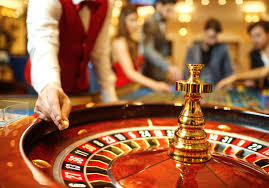
Casino and gambling have always fascinated people. The idea of risking money for the possibility of winning big has been part of human culture for centuries. Today, Situs King Slot Gacor gambling is not just about entertainment—it is a global industry worth billions of dollars. From the glitzy casinos of Las Vegas and Macau to the growing world of online platforms, gambling continues to attract millions of players worldwide. But why is it so appealing, what games dominate casinos, and how is the industry changing with technology? Let’s dive into the world of casino gambling.
The Origins of Gambling
The roots of gambling go back thousands of years. Archaeological findings suggest that dice games existed in Mesopotamia as early as 3000 BC. Ancient Chinese societies also developed lottery systems, while the Greeks and Romans were known to bet on sports and gladiator battles.
The concept of the modern casino emerged in 17th-century Italy. The word “casino” originally meant a small house or villa where people gathered for leisure and games. Over time, casinos became established entertainment centers across Europe, eventually spreading to America and beyond. Las Vegas, often called the “gambling capital of the world,” turned casino gambling into a cultural phenomenon during the 20th century.
Why Casino Gambling Attracts People
The enduring appeal of casino gambling lies in its mix of excitement, suspense, and potential reward. Casinos are designed to captivate the senses—flashing lights, luxurious interiors, background music, and social interaction all create an atmosphere of thrill.
Psychologically, people are drawn to the “risk and reward” factor. The uncertainty of whether a bet will succeed triggers adrenaline and dopamine responses in the brain, making the experience both fun and addictive. For many players, casino gambling is not just about winning money but also about enjoying the experience and the social environment.
Popular Casino Games
Casino gambling offers a wide variety of games to suit different tastes and strategies. Some rely purely on luck, while others involve skill and decision-making. The most popular include:
- Slot Machines – Simple to play and visually engaging, slots dominate casinos worldwide. They often feature jackpots that can change a player’s life with one spin.
- Blackjack – Also known as “21,” this game pits players against the dealer. Strategy and probability play a significant role in improving winning chances.
- Roulette – A classic game featuring a spinning wheel where players bet on numbers, colors, or combinations. Its suspenseful results make it an iconic casino symbol.
- Poker – Unlike many gambling games, poker emphasizes skill, psychology, and strategy. Tournaments have made poker a professional sport with global recognition.
- Baccarat – Favored by high rollers, baccarat is a straightforward yet elegant game where players bet on the player’s hand, the banker’s hand, or a tie.
Online Gambling: The Digital Revolution
The rise of the internet has completely transformed casino gambling. Online casinos allow people to play their favorite games anytime, anywhere. Mobile apps bring slot machines, roulette, blackjack, and poker directly to smartphones.
Live dealer games have enhanced the online experience, with real dealers streaming from studios to recreate the feel of a physical casino. Cryptocurrency payments and blockchain technology are also gaining popularity in gambling, making transactions faster, more secure, and transparent.
This shift has made gambling more accessible but also raised concerns about regulation and responsible play, since people can gamble privately without the natural limits of physical casinos.
The Risks of Gambling
While casino gambling can be thrilling, it also comes with risks. The biggest concern is addiction. Problem gambling can lead to financial struggles, emotional stress, and strained relationships. Because of this, responsible gambling is now a key focus for both traditional and online casinos.
Responsible gambling tools include deposit limits, time trackers, and self-exclusion programs. Many organizations worldwide also provide support for people struggling with gambling addiction. The message is clear: casino gambling should be treated as entertainment, not as a way to guarantee income.
Economic and Social Impact of Casinos
Casinos contribute significantly to local and global economies. They create jobs, attract tourists, and generate tax revenue. Cities like Las Vegas, Macau, and Monte Carlo rely heavily on their casino industries. Online gambling has also become a major contributor to economies, with billions of dollars in revenue annually.
However, the industry also has drawbacks. Critics point to increased gambling addiction, crime rates, and inequality in areas heavily dependent on casinos. As a result, governments regulate casino gambling through licensing, taxation, and laws designed to protect players.
Common Myths in Casino Gambling
Casino gambling has always been surrounded by myths. Some players believe slot machines are “due for a payout,” while others trust lucky numbers or rituals. In reality, casino games use random number generators or probabilities that make each result independent.
Another common myth is that Slot Gacor Hari Ini manipulate results to stop players from winning. While casinos do have a built-in advantage known as the “house edge,” the games themselves are not rigged against individual players when regulated properly.
Strategies in Casino Gambling
While luck plays a major role in most casino games, some strategies can improve the odds in specific cases. For example:
- In blackjack, players use probability-based strategies to decide when to hit, stand, or double down.
- In poker, skill and psychology are essential for long-term success.
- In games of pure chance, such as roulette or slots, no strategy can guarantee a win—but bankroll management can help prolong play and minimize losses.
The Future of Casino Gambling
The future of casino gambling is being shaped by technology. Virtual reality (VR) casinos are being developed, allowing players to enter immersive 3D environments. Artificial intelligence (AI) is being used to personalize experiences and monitor for signs of problem gambling.
Esports betting is another growing sector, appealing to younger generations. With mobile technology and cryptocurrency integration, casino gambling is likely to become even more global, accessible, and innovative.
Conclusion
Casino and gambling have been part of human culture for thousands of years, evolving from ancient dice games to today’s high-tech platforms. The combination of risk, reward, and entertainment ensures its continued popularity worldwide.
Yet, the excitement comes with responsibility. Casino gambling should be enjoyed as a form of leisure, not as a financial solution. With proper regulation, technological innovation, and responsible practices, the world of casinos will remain one of the most captivating industries in human history.