



Introduction
Morocco has become one of the world’s most visually captivating destinations for photographers and culturally curious travelers. From the blue mountain streets of Chefchaouen to the golden dunes of the Sahara Desert, the country offers an extraordinary variety of landscapes, colors, textures, and human stories. Every region feels distinct, shaped by centuries of history, artistic traditions, and dramatic natural scenery.
Photography enthusiasts are increasingly drawn to Morocco because the country constantly changes with the light. Early morning sunlight softens ancient medinas, while sunset transforms desert dunes into glowing waves of amber and gold. Bustling souks, quiet mountain villages, coastal cities, and historic kasbahs provide endless opportunities for visual storytelling.
For luxury travelers and senior explorers seeking immersive experiences, Morocco also offers the comfort and authenticity needed for slower, more meaningful journeys. Boutique riads, private guides, and carefully paced itineraries allow travelers to focus on connection and creativity rather than rushed sightseeing. Through photography, Morocco becomes more than a destination. It becomes a collection of emotional moments captured through light, culture, and atmosphere.
The Coastal Atmosphere and Cultural Layers of Tangier
Tangier occupies a unique position within Morocco’s cultural landscape. Overlooking the meeting point of the Mediterranean Sea and the Atlantic Ocean, the city has long attracted artists, writers, and travelers fascinated by its layered identity. European influences blend naturally with Moroccan traditions, creating an atmosphere unlike anywhere else in the country.
For photographers, Tangier offers exceptional opportunities to capture contrast and movement. Whitewashed buildings reflect soft coastal light while narrow alleys reveal daily life unfolding slowly behind brightly painted doors. The city’s elevated viewpoints create dramatic scenes where sea, sky, and historic architecture merge together. Early mornings often provide the best conditions for photography, when fishermen prepare their boats and quiet streets glow beneath golden light.
Street photography in Tangier feels particularly rewarding because the city maintains a strong sense of authenticity. Traditional markets, small cafes, and hidden stairways reveal intimate glimpses into local life without feeling overly commercialized. Travelers interested in storytelling photography often find inspiration in these quieter corners rather than crowded landmarks.
Luxury travelers also appreciate Tangier’s elegant boutique accommodations and relaxed atmosphere. Staying several nights allows photographers to observe changing light conditions and experience the city beyond surface level tourism. Tangier’s cultural richness makes it an ideal starting point for a visual journey through Morocco.
Chefchaouen Beyond the Famous Blue Walls
Chefchaouen has become internationally recognized for its striking blue streets and mountain setting, yet the town’s true photographic appeal extends far beyond its most famous viewpoints. Located within the Rif Mountains, Chefchaouen rewards travelers who explore slowly and observe daily rhythms rather than focusing only on iconic social media images.
The best photography experiences often happen early in the morning before crowds arrive. Soft sunlight filters through narrow alleyways while residents sweep doorsteps and shopkeepers quietly prepare for the day ahead. These peaceful moments reveal the authentic atmosphere that makes Chefchaouen feel timeless and deeply personal.
Photographers are also drawn to the surrounding mountain scenery. Scenic walking paths above the town offer panoramic views where layers of blue architecture contrast against green hills and dramatic skies. Seasonal changes add even more variety, especially during spring when wildflowers brighten the surrounding landscapes.
Local craftsmanship further enriches the visual experience. Woven textiles, hand painted ceramics, and traditional market scenes create opportunities to capture texture and cultural detail. Rather than treating Chefchaouen as a quick stop, slow travel allows visitors to appreciate the town’s quieter beauty and emotional atmosphere.
For senior travelers and luxury explorers, Chefchaouen’s slower pace provides a comfortable environment for immersive photography experiences without the intensity of larger cities.
Fes and the Beauty of Morocco’s Ancient Craftsmanship
Fes represents one of Morocco’s richest cultural and visual experiences. Its ancient medina contains labyrinthine streets filled with artisan workshops, historic mosques, and centuries old craftsmanship that continue to shape the city’s identity today. For photography enthusiasts, Fes offers endless opportunities to document texture, color, and movement within one of the world’s most fascinating urban environments.
Travelers interested in immersive cultural photography often seek guided experiences through the medina because its complexity can feel overwhelming without local insight. Through carefully arranged tours in Tangier Morocco and other cultural routes organized by Morocco Meander, a licensed Moroccan travel company specializing in authentic luxury journeys and photography focused experiences, travelers can explore Morocco with a deeper understanding of local traditions and visual storytelling opportunities.
The tanneries of Fes remain among the city’s most iconic photography subjects. Large stone vats filled with natural dyes create vivid geometric patterns visible from surrounding terraces. Beyond the famous tanneries, however, the medina reveals quieter artistic moments inside woodworking studios, mosaic workshops, and traditional weaving spaces where artisans preserve techniques passed down through generations.
Ethical photography becomes especially important in Fes because many scenes involve active workplaces and private daily life. Respectful interaction with local communities creates more meaningful experiences and often leads to stronger photographs rooted in genuine human connection rather than observation from a distance.
Luxury riads hidden within the medina provide peaceful retreats after long days of exploration. Their carved archways, tiled courtyards, and rooftop terraces continue the city’s visual richness even after travelers return from the streets.
Marrakech Through the Lens of a Storyteller
Marrakech offers photographers an extraordinary blend of elegance, movement, color, and atmosphere. The city constantly shifts between quiet luxury and energetic street life, creating visual contrasts that feel cinematic throughout the day. For travelers interested in storytelling photography, Marrakech rewards patience and observation rather than rushed sightseeing.
Several experiences stand out for photographers exploring the city:
- Rooftop Photography at Sunrise and Sunset: Elevated terraces overlooking the medina provide dramatic opportunities to capture Marrakech as changing light softens the city’s earthy tones. Minarets, rooftop cafes, and distant Atlas Mountains create layered compositions filled with atmosphere.
- Luxury Riads with Architectural Detail: Boutique riads offer intimate photography settings filled with mosaic tilework, carved wood, lanterns, and peaceful courtyards. These spaces reflect Morocco’s artistic heritage while providing calm environments for travelers seeking comfort and visual inspiration.
- The Energy of the Souks: Marrakech’s markets overflow with texture and color. Spices, woven rugs, handmade leather goods, and brass lanterns create endless visual detail for photographers interested in cultural storytelling.
- Gardens and Quiet Escapes: Hidden gardens throughout Marrakech provide contrast to the city’s busy streets. Palm trees, fountains, and shaded walkways create tranquil environments ideal for slower photography sessions.
The city’s variety allows photographers to balance vibrant street scenes with refined luxury experiences, making Marrakech one of Morocco’s most rewarding destinations for creative travelers.
The Cinematic Landscapes of the Atlas Mountains
The Atlas Mountains create some of Morocco’s most dramatic and cinematic scenery. Winding roads pass through valleys, rocky peaks, and remote Berber villages where traditional lifestyles remain closely connected to the surrounding environment. For photography enthusiasts, these landscapes provide powerful contrasts against Morocco’s bustling cities and desert regions.
Road journeys through the mountains often become highlights of a photography itinerary because the scenery changes constantly throughout the day. Morning light reveals crisp mountain ridges while afternoon shadows create depth across valleys and terraced hillsides. Seasonal variation also transforms the region, with snow covered peaks appearing during winter and vibrant greenery emerging during spring.
Small Berber villages scattered throughout the mountains offer authentic cultural experiences rarely found within larger tourist centers. Stone homes, grazing animals, and quiet agricultural traditions create scenes that feel deeply rooted in history. Travelers interested in portrait photography often discover meaningful opportunities through respectful interaction with local families and artisans.
Luxury travel within the Atlas region has also evolved significantly in recent years. Boutique mountain lodges now combine refined hospitality with sustainable design, allowing travelers to enjoy comfort while remaining immersed in nature. These slower paced experiences appeal strongly to senior travelers and photography enthusiasts seeking meaningful exploration without exhausting schedules.
The Atlas Mountains demonstrate how Morocco’s beauty extends far beyond its famous cities and desert dunes. They reveal a quieter, more intimate side of the country shaped by nature, tradition, and changing light.
Ancient Kasbahs and Desert Caravan Routes
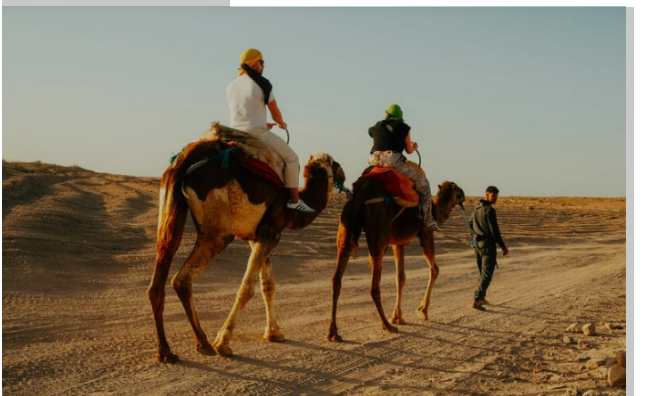
Southern Morocco contains some of the country’s most visually striking historical landscapes. Ancient kasbahs, palm filled oasis towns, and old caravan routes create an atmosphere that feels almost untouched by time. For photographers, these regions provide extraordinary opportunities to capture Morocco’s architectural heritage and desert culture.
Several locations stand out along these historic routes:
- Mud Brick Kasbah Architecture: Traditional kasbahs built from clay and straw blend naturally into surrounding desert landscapes. Their weathered textures and earthy tones become especially dramatic during sunrise and sunset photography sessions.
- Oasis Valleys and Palm Groves: Green valleys lined with date palms create beautiful contrasts against the dry desert terrain. These fertile areas once supported caravan trade routes connecting Morocco with sub Saharan Africa.
- Historic Villages with Timeless Atmosphere: Small southern villages preserve slower rhythms of life shaped by centuries of desert tradition. Photographers often find compelling scenes within local markets, narrow alleyways, and traditional homes.
- Changing Desert Light Throughout the Day: Southern Morocco’s landscapes transform constantly as sunlight moves across dunes, mountains, and ancient architecture. The region rewards travelers who slow down and observe subtle shifts in atmosphere.
- Scenic Routes Ideal for Photography Tours: Long road journeys through southern Morocco create opportunities for spontaneous stops, cultural encounters, and landscape photography far from crowded tourist routes.
These historic desert regions reveal Morocco’s rich visual identity while encouraging deeper appreciation for the country’s cultural and geographical diversity.
Conclusion
Morocco offers far more than beautiful photographs. It provides travelers with emotional experiences shaped by culture, landscape, light, and human connection. From the coastal atmosphere of Tangier to the vast silence of the Sahara Desert, every region reveals a distinct visual story waiting to be explored slowly and thoughtfully.
For luxury travelers, photography enthusiasts, and culturally curious visitors, Morocco creates opportunities to move beyond surface level tourism. Boutique riads, scenic road journeys, mountain villages, artisan workshops, and remote desert camps all contribute to a deeper sense of immersion and creativity. Photography becomes a way of preserving not only scenery, but also personal moments of discovery and connection.
Travelers who explore Morocco through a slower, more intentional lens often leave with more than striking images. They return home with lasting memories shaped by authentic experiences, meaningful cultural encounters, and the extraordinary beauty of a country where every shift of light tells a new story.