



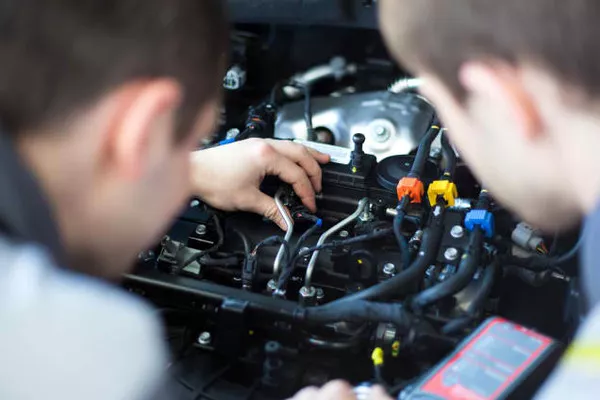
Buying used cars in murrieta is a clever financial decision that many buyers do not know. The car’s engine is an expensive and important part of any vehicle that needs thorough inspection before purchasing. Some things to check on the engine’s condition, even if you are not a professional mechanic.
Used cars can be checked from their interior and exteriors to their engines to determine a good secondhand car.
Schedule a visual inspection!
The murrieta used car dealer offers customers a test drive to try how the used car performs. Before turning the key, start popping the hood and take a good look. You must check possible engine problems.
Leaks
A used car is expected as a secondhand car and if lucky enough, you can get an engine in good condition. It is crucial to check possible leaks by checking oil or fluid leaks, when checking a used car’s engine. Checking under the car is also an important consideration to look for puddles or stains on the ground, it is a red flag.
Hoses and belts
Belts and hoses must be checked to see possible cracks and fraying, including signs of wear. Hoses must be firm, ensuring not brittle or soft. Belts must not have cracks or fraying, even if it is used but no signs of being abused. You may also listen for an unusual noise as a worn or loose timing belt produces a high-pitched sound.
A simple squeezing of rubber hoses that run to the radiator and AC will give you an idea of possible problems. To know the rubber is firm is not mushy and not rock-hard to squeeze.
Corrosion or rust
A little rust on the surface of an older vehicle is normal, but not excessive rust. You will see a sign of neglect when rust appears on the engine block.
Oil level and condition
Pull the dipstick out and clean it. Reinsert it back, and check the engine oil level and color. The oil must be amber or brown. A black color is not a good sign for engine oil. When the engine looks milky, it is indicating that the coolant is leaking into the engine.
Cold start the engine
Start the car while the engine is cold to reveal issues that a warm engine temporarily hides. Listen how the engine starts. It must fire up quickly and settle into a smooth idle. Sputtering or rough starts point to ignition or fuel issues. You should watch the exhaust if it smokes.
When you see blue smoke, it indicates the engine is burning oil. White smoke means the coolant is leaking, while black smoke points out a fuel mixture issue. Noises are also checked because there is a problem in the engine, such as:
- knocking
- ticking
- whining
These sounds can be potential signs of serious internal engine issues.
Test drive to feel it out!
Having a short drive tells you a lot about the health of the used car engine. You can check several features of the second hand car while test driving, such as:
- Acceleration. The car should respond smoothly when pressing the gas. Sluggishness can be related to engine performance.
- Idle. The engine must idle consistently when you stop, it should not surge or bounce.
- Dashboard lights. You should ensure that there are no warning lights on the dash.
Conclusion
Being an expert in spotting the basic signs of engine problems is not needed. A careful inspection, even if you have a little knowledge, can prevent you from buying a used car with a defective or bad engine. Take time and do not be afraid to ask questions regarding the engine condition as the dealership will provide you with the answer.