



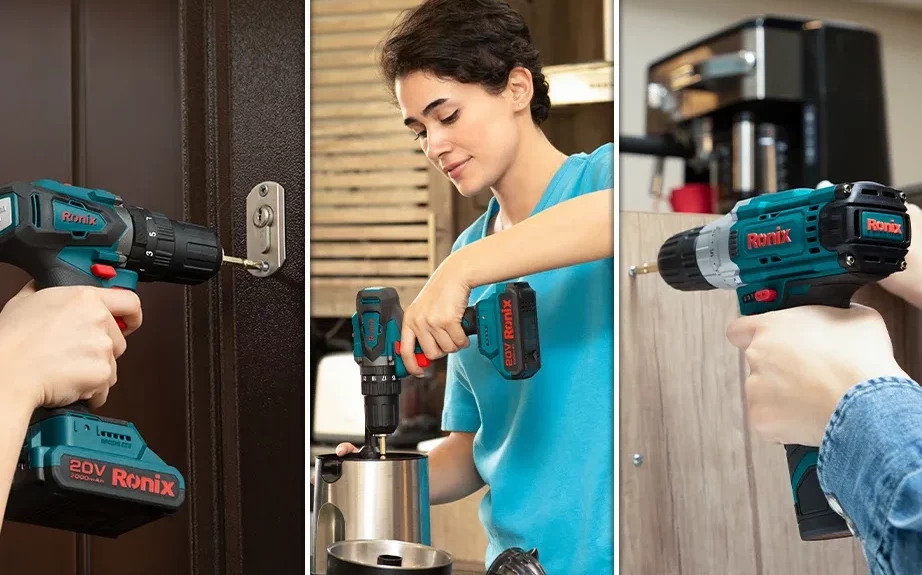
Starting your first home project can be both exciting and overwhelming. With so many tools available today, knowing where to begin is a challenge in itself. The good news? You don’t need an entire workshop to get started. A few well-chosen tools can go a long way in helping you complete everyday tasks safely and efficiently. In this guide, we’ll walk through what to consider when selecting the right Power Tools for your needs, especially if you’re just getting started.
Why Power Tools Are Essential for DIYers
Whether you’re putting up a shelf, fixing a wobbly chair, or building a custom desk, hand tools can only take you so far. Power tools reduce manual effort, improve precision, and allow you to take on more complex or time-sensitive projects with confidence.
They’re not just for professionals either. The modern home user has access to compact, easy-to-use options that make tackling projects around the house not just possible, but enjoyable.
Start with the Basics: Tools You Actually Need
Before diving into brand comparisons or high-end specs, it helps to narrow down your toolkit to the essentials. Here are five foundational power tools that every beginner should consider:
1. Drill/Driver Combo
If you’re only going to buy one power tool, let it be a drill. From assembling furniture to drilling into drywall, it’s the most versatile option in any toolbox. Most modern drills double as drivers, meaning they can drill holes and drive screws with equal ease.
When comparing drills, pay attention to:
- Battery voltage (12V for light use, 18V+ for heavier tasks)
- Chuck size (½ inch is more versatile than ⅜ inch)
- Speed settings for more control
Cordless drills are more convenient, especially if you don’t want to deal with extension cords. Just make sure to have a second battery on hand to avoid interruptions.
2. Circular Saw
A circular saw is your go-to for cutting wood, plywood, or sheet materials. It’s faster and more precise than a hand saw and can even substitute for a table saw in many situations.
Look for a saw with a 7¼-inch blade, which offers a good balance of depth and control. Cordless circular saws are great for portability, while corded models offer unlimited runtime.
You’ll want to choose the right blade depending on the material—standard wood blades work well for most tasks, but you can also get blades that cut metal, plastic, or even masonry.
3. Orbital Sander
Sanding by hand is fine for tiny projects, but for anything larger, an orbital sander is a must. It smooths surfaces evenly and quickly, helping prepare them for painting, staining, or sealing.
A random orbital sander is ideal because it leaves fewer swirl marks than a regular palm sander. Choose a model with variable speed and good dust collection to keep your workspace clean.
4. Jigsaw
Jigsaws make curved and detailed cuts easy, whether you’re cutting out patterns or trimming corners. They’re safer and more manageable for beginners than circular saws when it comes to delicate work.
Cordless jigsaws give you flexibility, especially if you’re working outside or in a room without outlets. Look for features like tool-free blade change and adjustable speed settings for better control.
5. Oscillating Multi-Tool
This tool is a true all-rounder. You can use it to sand, scrape, cut, or grind in tight spaces. Whether you’re trimming door jambs, removing grout, or cutting pipe flush to the wall, the oscillating multi-tool does it all.
It’s especially useful for renovations or repairs where precision matters more than speed. Be sure to get a variety of attachments, as different blades and pads are suited to different materials.
Corded or Cordless? What to Consider
Cordless power tools have improved dramatically in recent years thanks to advances in battery technology. For most home users, the freedom to move around without cords is a huge plus. However, if you’re planning to do heavy work for hours at a time, corded tools still offer the benefit of uninterrupted power.
If you’re building a cordless system, try to stick with one battery platform. It saves money and lets you use the same batteries across multiple tools. Many manufacturers offer starter kits that include batteries, chargers, and a carrying case—perfect for first-time buyers.
What Makes a Good Power Tool?
With hundreds of models available, here are the features that matter most:
Ergonomics
Comfort matters, especially if you’re holding a tool for a long time. Look for lightweight designs, non-slip grips, and intuitive controls. Try holding the tool in your hand before you buy—does it feel balanced? Can you reach all the buttons easily?
Build Quality
Cheap tools often break down after minimal use. Opt for tools with solid construction and durable housing. A good power tool should feel sturdy—not plasticky or fragile.
Safety Features
From blade guards to automatic shut-offs, safety features are there for a reason. Tools with vibration control and soft starts are also easier on your hands and arms.
Battery Performance
For cordless tools, pay attention to battery life and charge time. High-capacity batteries (measured in amp hours, or Ah) last longer but are heavier. Many users find a 4Ah battery strikes a good balance between runtime and weight.
Maintenance Tips for Longevity
Just like any machine, power tools need regular maintenance to stay in good shape. Here are a few quick tips:
- Wipe down tools after each use to remove dust and debris
- Keep blades and bits sharp
- Store batteries in a cool, dry place
- Don’t overload the tool beyond its rated capacity
- Follow the manufacturer’s instructions for cleaning and storage
Avoiding Common Beginner Mistakes
When you’re just starting out, it’s easy to fall into a few traps. One common mistake is buying too many tools at once. It’s better to start small and add to your collection as your skill level and project scope grow.
Another mistake is ignoring safety. Always wear the right protection—gloves, goggles, and hearing protection—and take your time learning how each tool works before diving into a project.
Finally, don’t buy the cheapest option available. While budget matters, extremely cheap tools can wear out quickly, underperform, or even pose safety risks.
When You’re Ready to Upgrade
Once you’ve used your basic toolkit for a while, you’ll naturally start identifying what else you need. Maybe it’s a miter saw for cutting trim, or a nail gun for faster framing. Take your time, read reviews, and always choose tools that match your pace—not just your ambition.
Brands like kafuwell offer thoughtfully designed tools that balance user-friendliness with professional-grade durability, making them a great choice as you grow your toolkit.
Final Thoughts
Choosing the right power tools is less about chasing trends and more about understanding your actual needs. Start with the basics, invest in quality, and build your confidence through experience.
You don’t need a garage full of gear to become a capable DIYer—just the right tools in the right hands.
And when you’re ready to explore more, there’s always something new to learn and try in the world of home improvement.