



A pet’s coat is more than just a layer of fur; it’s a reflection of their health and happiness. Achieving a flawless finish on your pet’s coat involves more than a quick brush here and there. It’s about understanding their needs and ensuring their fur is always at its best. Whether you’re a proud dog owner or a cat lover, this post will guide you through creating a shiny, healthy coat for your furry friend. From choosing the right tools to understanding their diet, we’ll cover it all, helping you ensure your pet looks and feels their best.
Understanding Your Pet’s Coat
Every pet is unique, and so is their coat. Some pets have thick, fluffy coats, while others have sleek, short fur. Understanding the type of coat your pet has is the first step to ensuring its health. For example, dogs like Siberian Huskies have double coats that require regular maintenance to prevent matting. On the other hand, breeds like Greyhounds have short coats that need less frequent brushing but still benefit from regular attention.
Some pets are prone to shedding, which can lead to hair all over the house. Regular grooming can help manage shedding, reducing the amount of fur left on your furniture. Additionally, understanding the seasonality of your pet’s shedding can help you prepare and maintain a clean home environment.
Different coat types also require different grooming tools. For instance, a long-haired cat might need a specialized brush to prevent tangles, while a short-haired dog may only need a simple grooming glove. Knowing your pet’s coat type can help you invest in the right tools.
Essential Grooming Tools
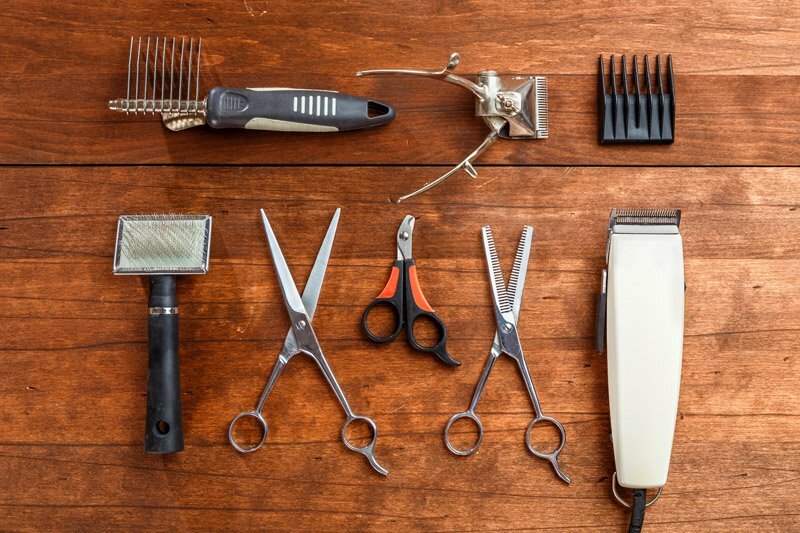
Having the right grooming tools is crucial for maintaining your pet’s coat. A quality brush is the foundation of any grooming kit. For pets with thick undercoats, a de-shedding tool can help remove loose fur and prevent matting. For those with sensitive skin, a soft-bristle brush is gentle enough to keep their coat smooth without irritation.
Scissors and clippers are essential for pets that require regular trims. Dog grooming shears, for example, are designed to handle different hair textures and provide precision cuts. Regular trimming also helps keep your pet cool in the summer months and reduces the risk of hair-related issues.
Let’s not forget about nail care. Regularly trimming your pet’s nails prevents overgrowth, which can lead to discomfort or even injury. A good pair of nail clippers can make this task quick and painless.
Bathing Basics
Bath time is an essential part of maintaining a healthy coat. However, it’s important not to bathe your pet too frequently, as this can strip their coat of natural oils. For most pets, a bath every four to six weeks is sufficient. When bathing, use a pet-friendly shampoo tailored to your pet’s skin type and coat condition.
Before bathing, brush your pet to remove loose hair and detangle their coat. This makes shampooing more effective and ensures an even clean. During the bath, take care to rinse thoroughly to prevent soap residue, which can irritate your pet’s skin.
After bathing, drying is crucial. Towel-dry your pet initially, and if they tolerate it, use a pet-safe blow dryer on a low setting to ensure their coat is completely dry. This helps avoid hot spots and keeps their fur fluffy and fresh.
Diet and Nutrition
A healthy coat starts from within. Nutrition plays a significant role in the condition of your pet’s fur. A balanced diet rich in omega-3 and omega-6 fatty acids can promote a shiny, healthy coat. Foods high in these nutrients help reduce shedding and prevent dry skin.
Consult with your veterinarian to ensure your pet is receiving the right nutrients. They can recommend supplements or dietary changes tailored to your pet’s specific needs. Remember, what works for one pet may not work for another, so personalized advice is crucial.
Fresh water is just as important as a balanced diet. Ensure your pet always has access to clean water, as dehydration can lead to dry, brittle fur.
Recognizing Coat Health Issues
Keeping an eye on your pet’s coat can help you spot potential health issues early. A dull coat might indicate nutritional deficiencies or underlying health problems. If you notice excessive shedding, bald patches, or redness, it might be time to consult your veterinarian.
Regular grooming also gives you the chance to check for parasites like fleas or ticks, which can affect your pet’s health and coat condition. Early detection can prevent these pests from becoming a bigger problem.
Skin conditions, such as allergies, can also impact your pet’s coat. If you notice your pet scratching more than usual or have skin irritation, seek veterinary advice for proper diagnosis and treatment.
Creating a Grooming Routine
Establishing a grooming routine helps ensure your pet’s coat stays in top condition. Set a regular schedule for brushing, bathing, and nail trimming. Consistency not only maintains a healthy coat but also helps your pet become accustomed to the grooming process, reducing stress and anxiety.
Make grooming a positive experience by rewarding your pet with treats and praise. This association can make them more cooperative during grooming sessions and create a bond between you and your pet.
If your pet has specific grooming needs, consider consulting a professional groomer. They can provide expert advice and services, ensuring your pet’s coat receives the best care possible.
Conclusion
Achieving a flawless finish on your pet’s coat is a rewarding endeavor that requires a combination of the right tools, techniques, and nutritional support. By understanding your pet’s unique coat needs and maintaining a regular grooming routine, you can ensure they look and feel their best. Remember, a healthy coat is a reflection of your pet’s overall well-being. With the tips shared in this post, you’re well on your way to giving your furry friend the care they deserve.
For more tips on pet care and grooming, be sure to explore further resources and consult with professionals who can provide personalized advice tailored to your pet’s needs.