



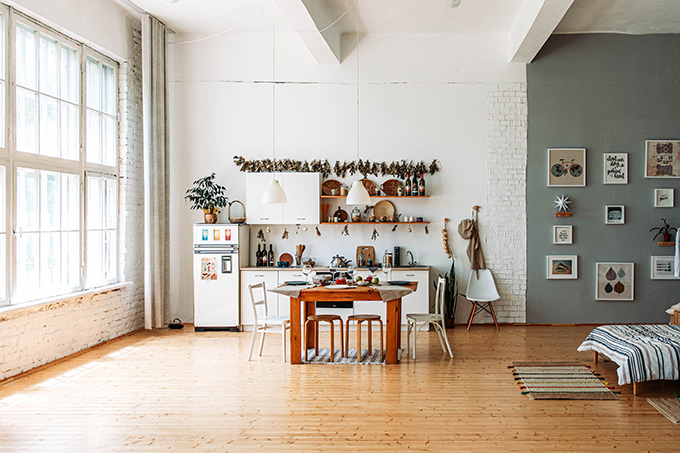
Hardwood is a timeless material that adds warmth, elegance, and durability to any home or commercial space. However, creating a truly cohesive design requires careful attention to detail, particularly when it comes to moldings. Whether you’re renovating your home or designing a new space, moldings play a critical role in enhancing the hardwood aesthetic. This blog will explore hardwood design tips and techniques for incorporating complementary moldings to create cohesive, polished interiors.
The Importance of Cohesion in Hardwood Design
Cohesion in design refers to creating a seamless and unified look that ties all elements of a room together. Hardwood flooring, moldings, and other wooden accents can achieve this through:
- Color Harmony: Ensuring similar tones or finishes.
- Material Consistency: Using the same type of wood or high-quality imitations.
- Style Continuity: Matching the style of moldings to the architecture and design of the space.
When hardwood flooring and moldings work in harmony, the result is a well-rounded aesthetic that enhances the room’s character.
Types of Hardwood Moldings and Their Applications
When designing with hardwood, understanding the types of moldings available is crucial. Here are some commonly used hardwood moldings and their specific applications:
1. Baseboards
Baseboards run along the bottom edge of walls, where they meet the floor. They protect walls from scuffs and dirt while providing a visual transition between floor and wall.
- Design Tip: Opt for baseboards that match or contrast subtly with the floor color. For example, a dark walnut floor pairs beautifully with medium-toned oak baseboards for a subtle contrast.
2. Crown Moldings
Crown moldings sit at the junction of walls and ceilings, adding an elegant finish. These moldings work exceptionally well in rooms with high ceilings or formal designs.
- Design Tip: For a cohesive look, use the same wood species and stain as your flooring.
3. Casings
Casings frame doors and windows, serving as a decorative and functional element. They add depth and dimension to walls.
- Design Tip: Coordinate casing finishes with both your flooring and baseboards to create a unified frame for the room.
4. Chair Rails and Wainscoting
These moldings add protection and a decorative element to walls, often used in dining rooms or hallways.
- Design Tip: Use chair rails to separate paint and wood paneling for a classic look. Match the wood paneling to the floor for consistency.
5. Shoe Moldings
Shoe moldings, or quarter rounds, are smaller moldings used at the base of baseboards to cover gaps between the floor and the wall.
- Design Tip: Choose a finish that closely matches your baseboards for a polished look.
How to Match Moldings with Hardwood Flooring
Matching moldings with hardwood flooring is both an art and a science. Here are some hardwood design tips to help you create complementary combinations:
1. Choose the Right Wood Species
Consistency in wood species ensures a natural flow. If your floor is oak, opt for oak moldings. If it’s cherry, stick to cherry. This prevents clashing grain patterns or textures.
2. Coordinate Finishes
While matching finishes exactly can create a seamless look, slight variations in tone add dimension and character.
- Example: Pair a matte-finished floor with semi-gloss moldings for subtle visual interest.
3. Consider Proportions
The size of your moldings should complement the scale of your room. Tall baseboards and crown moldings work best in larger rooms, while smaller spaces benefit from slim, understated moldings.
4. Use Transitional Moldings for Open Floor Plans
In open-concept designs, transitions between different types of hardwood flooring or other materials (like tile or carpet) can be tricky. Transitional moldings, such as T-moldings or reducers, ensure a smooth flow.
Design Styles and Hardwood Moldings
Your choice of moldings can reflect and enhance the design style of your space:
1. Traditional Spaces
- Use intricate crown moldings and detailed baseboards.
- Opt for warm-toned hardwoods like mahogany or cherry for a rich, classic look.
2. Modern and Minimalist
- Stick to sleek, simple moldings with clean lines.
- Lighter hardwoods like ash or maple enhance the minimalist aesthetic.
3. Rustic and Farmhouse
- Choose distressed or reclaimed wood finishes.
- Highlight knots and grain for an organic feel, using wide moldings for a farmhouse charm.
4. Coastal or Cottage
- Opt for painted moldings in white or pastel shades to complement light hardwoods.
- Add beadboard or shiplap for extra texture and personality.
Hardwood Design Tips for Creating Visual Flow
Creating visual flow ensures that your design feels balanced and inviting. Here are some practical tips to achieve this:
1. Stick to a Unified Color Palette
A unified palette ties the flooring and moldings together, preventing any one element from looking out of place. For added depth, vary the shades slightly within the same color family.
2. Play with Contrasts
While cohesion is essential, strategic contrasts can elevate the design. For example:
- Pair dark floors with light-colored moldings to frame the space.
- Use natural wood tones against painted walls for a warm, inviting feel.
3. Highlight Architectural Features
Use moldings to draw attention to architectural features like vaulted ceilings, large windows, or staircases. Complementary wood tones and shapes ensure these features stand out.
4. Focus on Transitions
Smooth transitions between flooring types or levels maintain a cohesive aesthetic. Transitional moldings, such as stair nosings or reducers, are key in multi-level or mixed-material spaces.
Practical Tips for Installation and Maintenance
1. Invest in Quality Materials
High-quality moldings ensure durability and a refined finish. Investing in premium hardwood moldings will pay off in both appearance and longevity.
2. Hire Professional Installation
Installing moldings can be tricky, especially around corners or irregularly shaped areas. Hiring a professional ensures precision and a polished result.
3. Maintain Proper Care
Both flooring and moldings require regular care to retain their beauty. Dust frequently, use wood-safe cleaners, and avoid excessive moisture.
Inspiration: Bringing It All Together
Case Study 1: A Modern Open-Concept Living Room
- Flooring: Light maple hardwood.
- Moldings: Slim, simple baseboards and crown moldings in matching maple with a matte finish.
- Result: A clean, cohesive look perfect for a contemporary aesthetic.
Case Study 2: A Traditional Dining Room
- Flooring: Dark walnut hardwood.
- Moldings: Intricate chair rails and baseboards in medium-toned walnut, paired with wainscoting.
- Result: A rich, formal space with depth and character.
The Power of Complementary Moldings in Hardwood Design
Moldings are more than decorative trim—they’re an essential element of hardwood design that ties the entire space together. By carefully selecting complementary moldings and following these hardwood design tips, you can create cohesive, visually appealing interiors that reflect your style and enhance the value of your home.
Whether you’re drawn to the elegance of traditional crown moldings or the simplicity of modern baseboards, the right combination of hardwood flooring and moldings will elevate your space to the next level.