



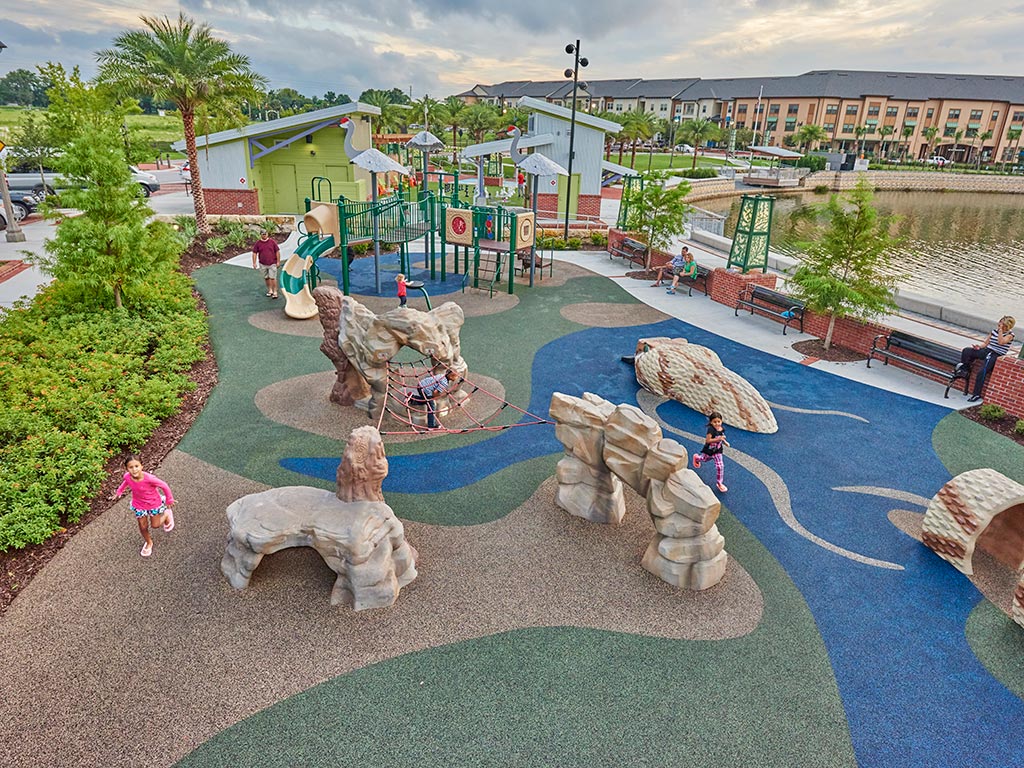
Commercial playgrounds have come a long way from the basic metal slides and see-saws of decades past. Today’s designs are colorful, inclusive, sustainable, and built to inspire creativity and movement in ways we never imagined. As we head deeper into 2025, we’re seeing a whole new wave of design trends reshaping how communities, schools, and municipalities think about commercial playground equipment.
Whether you’re planning to upgrade an existing playground or starting from scratch, staying on top of these design innovations can help you create a space that’s not only safe and functional but also modern, engaging, and fun for everyone who visits. Let’s take a closer look at what’s trending right now and how those trends are shaping the future of playground design.
A Shift in Purpose: From Playgrounds to Play Experiences
Modern playgrounds are no longer just about swinging and sliding—they’re immersive, intentional environments that blend physical activity with imagination, social interaction, and accessibility. When choosing commercial playground equipment today, it’s not just about what looks good. It’s about curating a well-rounded experience that appeals to children’s senses, supports healthy development, and brings communities together.
So what are the top trends leading this movement? Here’s what’s gaining traction in playground design for modern spaces.
H2: Inclusive and Accessible Design for All Abilities
One of the most important (and welcome) changes in commercial playgrounds is the shift toward universal design. Playground equipment is now being designed with everyone in mind, regardless of ability level.
- Ramps instead of stairs
- Ground-level activities
- Sensory play panels
- Adaptive swings
- Transfer stations for wheelchairs
In 2025, ADA compliance is just the starting point. Designers are embracing features that promote real inclusion, where children of all abilities can play side-by-side rather than being separated by design.
Why it matters: Creating inclusive playgrounds fosters empathy, social skills, and equality among children. It also sends a powerful message to parents that their community values every child.
Nature-Inspired Playgrounds
More and more schools, parks, and community developers are leaning into nature-based themes—and it’s easy to see why. These natural-style playgrounds are designed to mimic the outdoors, using wood textures, green hues, boulder-like climbing features, and even live landscaping to create a relaxing, earthy play environment.
Some of the most popular nature-inspired commercial playground equipment trends include:
- Faux treehouses
- Timber climbing structures
- Rock and rope elements
- Water play features with organic shapes
By bringing in elements of nature, these playgrounds help children reconnect with the environment while offering a break from screen-heavy indoor routines.
Pro tip: Adding native plants and shaded areas enhances both the look and feel of these nature-inspired playscapes.
Multi-Sensory and Experiential Elements
Modern playground design is focused on engaging all five senses—especially for young children or those with sensory processing needs. Sensory-rich commercial playground equipment offers textured surfaces, musical instruments, interactive panels, and even gentle water misters.
Popular sensory additions include:
- Tactile walls with different surfaces (sandpaper, rubber, soft plastics)
- Outdoor musical instruments like xylophones and drums
- Interactive elements like gear panels or bubble windows
- Gentle lighting or soft sounds for calming zones
Why it’s trending: It enhances early childhood development, encourages exploration, and supports inclusive play for children with autism or sensory sensitivities.
Modular and Customizable Structures
Gone are the days of one-size-fits-all playgrounds. Today’s designers are embracing modular equipment that allows you to mix and match components based on space, age groups, and even future upgrades.
With modular commercial playground equipment, you can:
- Adjust for specific age ranges (tots, elementary, teens)
- Easily expand the structure in future phases
- Create unique, site-specific designs that stand out
These playgrounds are not only flexible but often more cost-efficient in the long run.
Fun fact: Some systems even allow for color and theme customization, so you can design around your school’s mascot or your city’s branding.
Emphasis on Climbing and Challenge-Based Play
Today’s kids crave more than just a quick slide—they want to be challenged! Climbing structures are taking center stage, and many playgrounds now include multi-story towers, geometric climbing nets, and obstacle-course-style equipment that engages both the body and brain.
Some popular additions:
- Ninja warrior-style obstacles
- Freestanding rope pyramids
- Net tunnels
- Balance beams and slack lines
- Rock-climbing walls
This type of equipment helps build strength, coordination, and problem-solving skills, and it appeals to older children who may otherwise grow bored with basic playground setups.
Interactive Technology and Smart Play
Playgrounds and technology? Yep—it’s a thing now, and it’s only growing in popularity. Digital play panels and motion-sensing games are being integrated into modern commercial playground equipment to offer interactive, screen-free learning experiences.
What we’re seeing:
- QR codes with educational games
- Panels that light up or make sound when touched
- Augmented reality treasure hunts
- Play sensors that track physical activity and movement
This trend strikes a nice balance between active outdoor play and the tech-savvy preferences of today’s kids.
Urban-Inspired Designs for Compact Spaces
In more urban or densely populated areas, playground designers are getting creative with space. You’ll find commercial playground equipment designed to fit on rooftops, in courtyards, or even in between buildings.
Key features of these designs include:
- Vertical climbing structures to maximize height
- Multi-use play zones that double as seating or gathering areas
- Built-in planters or benches
- Shade structures that feel architectural
It’s not just about making it work—it’s about making it beautiful and functional for the space available.
Eco-Friendly and Sustainable Materials
Sustainability isn’t just a buzzword—it’s a movement. As more organizations look to go green, commercial playground manufacturers are following suit by using recycled plastics, reclaimed wood, and low-emission manufacturing processes.
New eco-conscious features include:
- Equipment made from recycled ocean plastics
- Solar-powered lighting and play features
- Flooring made from recycled rubber or cork
- Water-saving systems for splash zones
Many playgrounds now come with environmental certifications or LEED credits, making them an attractive option for schools and city planners committed to sustainability.
Themed and Story-Driven Playgrounds
From pirate ships to outer space, themed playgrounds continue to be a big hit—especially in commercial or municipal settings where attracting families is a priority. These playgrounds tell a story through design and invite imaginative play on a whole new level.
Popular themes in 2025 include:
- Space exploration (complete with “control panels” and climbing rockets)
- Jungle or safari themes
- Medieval castles and dragons
- Ocean or beach adventures
These playgrounds stand out visually and give kids a whole new layer of play to explore—socially, imaginatively, and physically.
Community Integration and Social Zones
Playgrounds are increasingly being designed as part of larger community spaces, with features that invite adults to hang out, relax, or even join in.
Here’s what that looks like in action:
- Parent seating areas with shade and charging stations
- Multi-age play areas to keep families together
- Fitness stations for adults
- Outdoor classrooms or group seating nooks
The best commercial playground equipment today is often part of a bigger picture—spaces that foster connection, wellness, and community interaction beyond just playtime.
Outdoor Classrooms and Educational Play
As outdoor learning continues to grow, many schools and early childhood centers are using playgrounds as hybrid environments—combining fun with learning.
Educational features include:
- Alphabet or number play panels
- Maps and geography-based games
- Interactive STEM activities
- Raised garden beds or planting areas
Blending learning with physical play gives children the opportunity to move their bodies and minds at the same time—and makes every recess feel like an adventure.
Final Thoughts: Designing the Future of Play
Playgrounds are evolving—and fast. Whether you’re planning a school playground, a public park, or a recreation center, there’s never been a better time to rethink how play works in your community.
The trends shaping commercial playground equipment in 2025 aren’t just about style—they’re about inclusion, sustainability, innovation, and community connection. And more than ever, they reflect a deeper understanding of what children need to thrive: freedom to move, permission to imagine, space to grow, and opportunities to connect.
When you bring these ideas into your planning, you’re not just building a place to play. You’re creating a destination, a resource, and a joyful part of daily life for families, educators, and neighborhoods alike.
Whether your goal is to build a modern, high-tech play space or a nature-inspired haven where kids can explore, the trends of 2025 offer endless possibilities. Just remember—at the heart of every great playground is a commitment to meaningful, inclusive, and joyful play.