



Dental emergencies can be both painful and frightening, catching you off guard when you least expect it. Whether you’re dealing with a sudden toothache, a chipped tooth, or a lost filling, knowing how to manage these situations can make a significant difference. Here’s a comprehensive guide on handling common dental emergencies effectively.
Understanding Dental Emergencies
Before diving into specific emergencies, it’s crucial to understand what constitutes a dental emergency. Any dental problem requiring immediate attention to stop bleeding, alleviate severe pain, or save a tooth is considered an emergency. Situations like abscesses, severe toothaches, or injuries to your lips, tongue, or jaw also fall under this category.
Managing Toothaches
Toothaches often strike without warning. When you experience a toothache, start by gently rinsing your mouth with warm water. Use dental floss to remove any food particles that might be trapped between your teeth. If there’s swelling, apply a cold compress to the outside of your cheek. Avoid placing aspirin or any other painkiller directly on the gums, as this can burn the tissue. If the pain persists, schedule a visit to your dentist as soon as possible.
Handling a Chipped or Broken Tooth
A chipped or broken tooth can happen while eating, during sports, or even from an accident. If you find yourself in this situation, rinse your mouth with warm water to clean the area. Save any pieces of the tooth you can find and rinse them as well. Apply gauze to any bleeding areas for about ten minutes or until the bleeding stops. To reduce swelling and pain, apply a cold compress to the outside of the mouth or cheek. See your dentist immediately for further treatment.
Dealing with Lost Fillings and Crowns
Lost fillings and crowns are common dental emergencies that can cause discomfort and sensitivity. If a filling falls out, use a piece of sugarless gum to temporarily cover the cavity. For a lost crown, try to slip the crown back over the tooth if possible. Before doing so, coat the inner surface with over-the-counter dental cement, toothpaste, or denture adhesive to hold the crown in place. Avoid using super glue. It’s important to see your dentist as soon as possible to permanently fix the issue.
What to Do with a Knocked-Out Tooth
A knocked-out tooth is a serious dental emergency that needs immediate attention. Hold the tooth by the crown (the part that is usually visible in the mouth), not the roots. Rinse it gently without scrubbing and try to reinsert it into the socket if possible. If reinsertion isn’t feasible, place the tooth in a container of milk or a tooth-preservation product that contains a cell growth medium. Time is of the essence—get to your dentist within 30 minutes for the best chance of saving the tooth.
Abscesses: Don’t Ignore Them
Abscesses are infections that occur around the root of a tooth or in the space between the teeth and gums. They can cause severe pain, swelling, and even fever. These infections must be treated promptly, as they can spread to other body parts if left unattended. If you suspect an abscess, rinse your mouth with a mild saltwater solution several times daily to alleviate pain and draw the pus to the surface. It’s critical to see your dentist as soon as possible.
When to Seek Professional Help
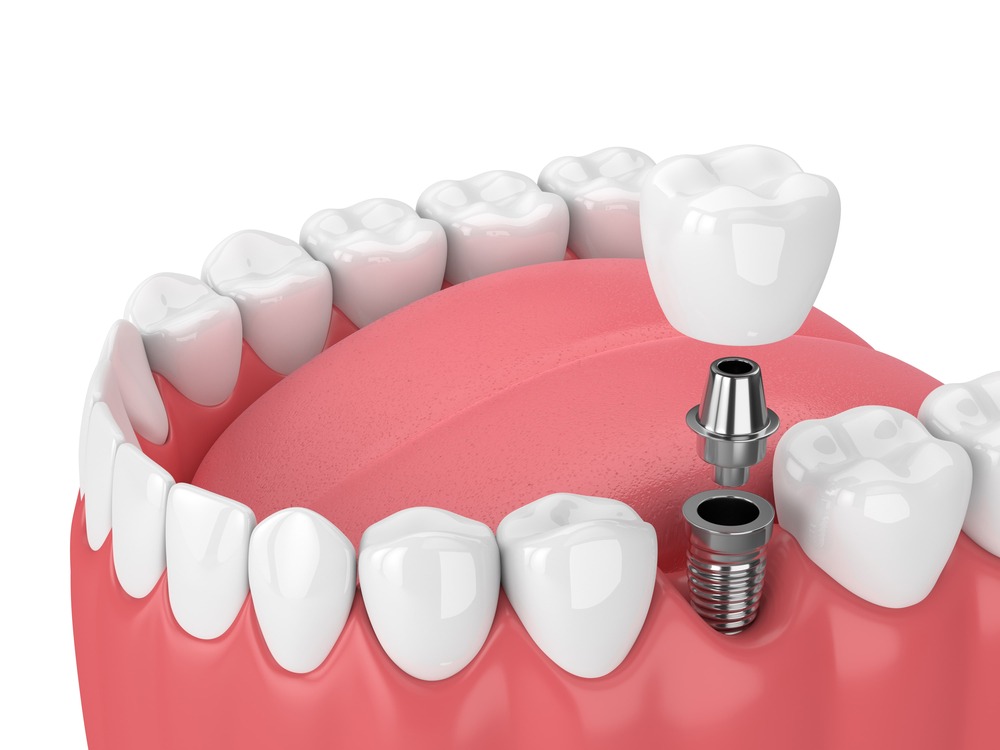
While initial home remedies can provide temporary relief, visiting a dentist is crucial for a long-term solution. If you need extensive dental work or have ongoing issues, considering options like dental implants in South Jordan can provide a permanent solution to missing or damaged teeth, restoring function and aesthetics.
Preventing Future Dental Emergencies
Preventive care is the best way to avoid dental emergencies. Regular dental check-ups, good oral hygiene, and wearing protective gear during sports can help keep your teeth in good shape. Avoid using your teeth as tools to open packaging, chew ice, or crack nuts, as these actions can lead to damage.
Conclusion
Dental emergencies can be distressing, but you can handle them calmly and effectively with the right knowledge and preparation. Always remember that professional dental care is essential, and timely intervention can prevent further complications. Stay mindful of your oral health and maintain regular visits to your dentist to ensure your smile remains healthy and bright.