



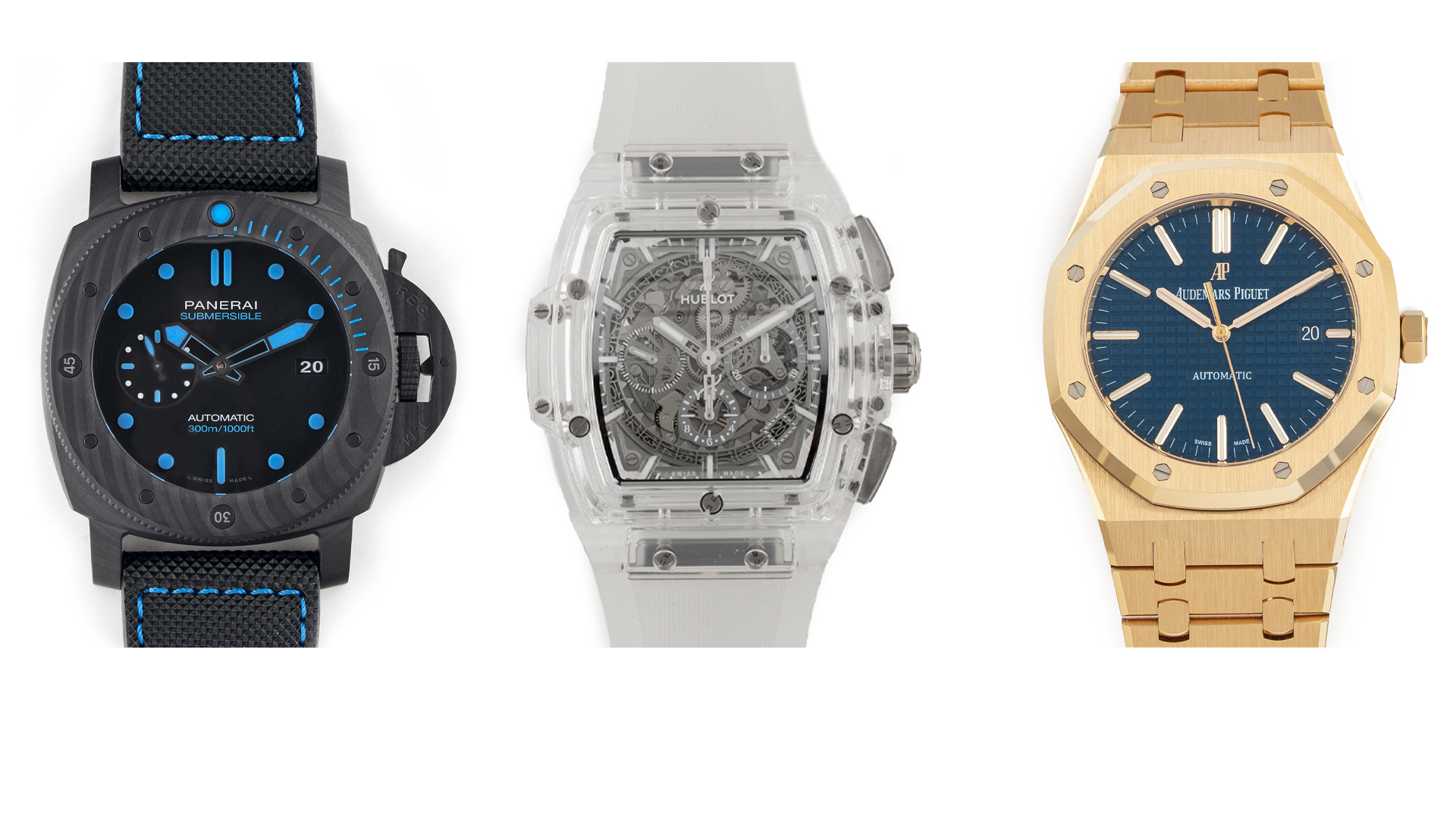
Luxury watches are more than just timekeeping devices; they are statements of prestige, craftsmanship, and technological advancement. The choice of materials plays a significant role in determining the durability, aesthetics, and overall quality of a wristwatch for men. Whether you are a collector, enthusiast, or a watch supplier, understanding the materials used in luxury watch production can help you appreciate their value. In this article, we explore the best materials used in the making of high-end timepieces.
18K Gold: A Timeless Symbol of Luxury
Gold has been a symbol of wealth and luxury for centuries. In luxury watch production, 18K gold is the preferred choice due to its balance between purity and durability. Unlike pure gold, which is too soft for everyday use, 18K gold is alloyed with other metals like copper and silver to enhance its strength. This material is commonly used for watch cases and bracelets, adding a touch of elegance and sophistication. Yellow, rose, and white gold variations allow watchmakers to create diverse and exquisite designs that appeal to different tastes.
Stainless Steel: The Perfect Blend of Strength and Style
Stainless steel is one of the most commonly used materials in watchmaking, particularly in the production of sports and luxury watches. This material is prized for its corrosion resistance, durability, and affordability. High-end brands use 316L and 904L stainless steel, with the latter offering superior resistance to oxidation and wear. Stainless steel watches are ideal for individuals looking for a balance between robustness and elegance. They are also a popular choice for wristwatch for men who need a reliable and stylish timepiece for daily wear.
Titanium: Lightweight and Hypoallergenic
Titanium has become an increasingly popular material in luxury watch production due to its remarkable strength-to-weight ratio. It is about 40% lighter than stainless steel while maintaining exceptional durability. Additionally, titanium is hypoallergenic, making it an excellent choice for individuals with sensitive skin. Its natural grayish tone gives it a modern and understated aesthetic, which appeals to those who prefer a minimalist yet high-performance wristwatch. Some high-end brands also incorporate titanium alloys to enhance scratch resistance and longevity.
Ceramic: The Pinnacle of Scratch Resistance
Ceramic has revolutionized the watch industry with its exceptional scratch-resistant properties and sleek appearance. Luxury watches made with ceramic components are incredibly durable and maintain their pristine look over time. This high-tech material is also lightweight and resistant to extreme temperatures and UV exposure, ensuring longevity. Available in various colors, ceramic allows watchmakers to create unique and contemporary designs that appeal to modern consumers. Many luxury brands use ceramic for bezels, cases, and even entire watch bodies.
Sapphire Crystal: Unparalleled Clarity and Durability
Sapphire crystal is the gold standard for luxury watch glass due to its exceptional hardness and scratch resistance. Unlike traditional mineral glass or acrylic, sapphire crystal is nearly as hard as a diamond, making it virtually impervious to scratches. This material enhances the clarity of the watch dial, providing an unobstructed view of the intricate details of the timepiece. Watch suppliers often emphasize the importance of sapphire crystal in high-end watches, as it significantly contributes to their longevity and premium feel.
Platinum: The Ultimate Prestige Material
Platinum is one of the rarest and most prestigious materials used in luxury watch production. It is denser and more durable than gold, offering a distinct weight that signifies exclusivity and opulence. Platinum watches are often produced in limited editions, making them highly sought-after by collectors. Despite its higher cost, the material’s resilience and unique sheen make it a top choice for elite watch enthusiasts. Due to its hypoallergenic properties, platinum is also an excellent option for those with metal sensitivities.
Carbon Fiber: The Future of Modern Watchmaking
Carbon fiber has gained popularity in the luxury watch industry due to its lightweight nature and futuristic appeal. This material is widely used in high-performance sports watches, offering exceptional strength and resistance to impact. Carbon fiber composites allow for innovative designs, creating timepieces with a distinct and modern aesthetic. Many high-end brands have started incorporating this material into their collections to cater to tech-savvy and performance-driven customers. For a wristwatch for men that combines style and cutting-edge technology, carbon fiber is an excellent choice.
Conclusion: Choosing the Best Material for Your Luxury Watch
The choice of material plays a crucial role in defining the quality, aesthetics, and durability of a luxury watch. Whether it’s the timeless allure of gold, the robustness of stainless steel, the modern appeal of ceramic, or the exclusivity of platinum, each material has its own unique advantages. As a watch supplier or a watch enthusiast, understanding these materials helps in making informed decisions when purchasing or recommending a luxury wristwatch for men. Ultimately, the best material depends on individual preferences, lifestyle, and the statement one wishes to make with their timepiece.