



Introduction
High-frequency facial technology has become a widely discussed topic in modern skincare, especially among individuals looking for non-invasive ways to improve skin texture and clarity. Originally used in clinical dermatology settings, this technology is now available for personal use through compact handheld devices designed for home routines, including tools like a high frequency facial wand that make professional-style treatments more accessible. The concept behind high-frequency treatment is based on applying mild electrical currents to the skin, which generate oxygen and gentle heat. These effects are believed to support circulation, reduce bacteria on the skin’s surface, and promote a healthier environment for skin renewal. While not a medical treatment, it is increasingly recognized as a supportive skincare tool.
What Is High-Frequency Facial Technology?
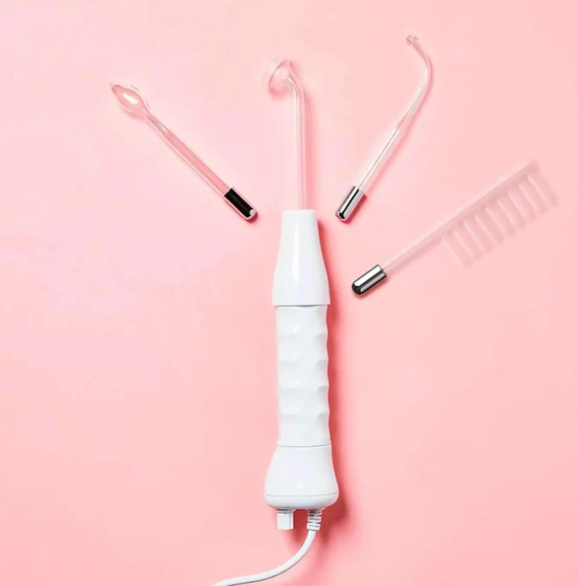
High-frequency facial technology refers to the use of low-level electrical currents delivered through glass electrodes. These electrodes are typically filled with inert gases such as argon or neon, which produce a visible glow when activated.
The electrical current interacts with the gas inside the electrode, creating a mild ozone effect on the skin. Ozone has natural antibacterial properties, which is why this technology has been historically associated with acne care and scalp treatments.
From a scientific perspective, high-frequency devices operate at frequencies ranging between 100,000 to 250,000 hertz. This is significantly higher than standard electrical currents used in daily appliances, but the intensity is extremely low, making it safe for cosmetic use when applied correctly.
How High-Frequency Currents Affect the Skin
The impact of high-frequency treatment on the skin can be explained through three main mechanisms: circulation enhancement, oxygenation, and mild thermal stimulation.
When the current passes through the electrode and touches the skin, it creates a subtle warming effect. This warmth encourages blood flow, which may help deliver oxygen and nutrients to the skin cells more efficiently. Improved circulation is often associated with brighter, healthier-looking skin.
At the same time, the ozone effect increases surface oxygen levels. Bacteria responsible for acne and inflammation typically thrive in low-oxygen environments. By increasing oxygen presence, high-frequency technology may help reduce bacterial activity without using harsh chemicals.
Finally, the gentle stimulation can activate fibroblasts, which are cells responsible for producing collagen and elastin. While the effect is mild, consistent use may contribute to improved skin firmness over time.
Common Applications in Skincare
High-frequency facial devices are used for a variety of cosmetic purposes. Although results vary depending on skin type and consistency of use, the most common applications include:
- Supporting acne-prone skin
- Enhancing skin tone and texture
- Reducing the appearance of fine lines
- Improving dull or tired-looking skin
- Calming mild inflammation
Unlike aggressive treatments such as chemical peels or microneedling, high-frequency therapy is considered gentle. It does not remove layers of skin or cause visible damage, which makes it suitable for people who prefer low-risk skincare methods.
Types of Electrodes and Their Functions
High-frequency devices usually come with multiple glass electrodes, each designed for a specific area of the face or body. The shape of the electrode determines how the current is distributed.
Mushroom Electrode
This is the most common attachment and is used for large areas such as cheeks, forehead, and neck. It distributes energy evenly across the skin surface.
Tongue or Curved Electrode
This attachment is ideal for smaller areas like under the eyes or around the nose, where precision is required.
Spot Electrode
Designed for targeted treatment, especially for blemishes or specific problem areas.
Comb Electrode
Primarily used for scalp treatments, this attachment helps stimulate hair follicles and improve circulation on the scalp.
Each electrode serves a different function, but all operate on the same underlying electrical principle.
Safety and Skin Compatibility
High-frequency facial technology is generally considered safe for most people when used as directed. However, there are certain situations where caution is required.
People with the following conditions should avoid high-frequency treatments:
- Pacemakers or implanted electronic devices
- Epilepsy or seizure disorders
- Pregnancy
- Severe rosacea or broken skin
- Metal implants in the treatment area
It is also recommended to avoid using the device on open wounds or infected areas. Although the technology has antibacterial properties, it is not a substitute for medical treatment.
For general users, safety depends largely on correct usage. Overuse or applying the device at high intensity levels may lead to dryness, irritation, or temporary redness.
How to Use High-Frequency Facial Devices Correctly
Proper technique plays a major role in achieving positive results. While each device may have slightly different instructions, the general process remains similar.
Basic Usage Steps
- Cleanse the skin thoroughly before treatment
- Apply a light, water-based serum or gel
- Choose the appropriate electrode
- Start with the lowest intensity level
- Move the electrode slowly in circular motions
- Limit sessions to 5–10 minutes
It is important to avoid using oil-based products during treatment, as they may interfere with electrical conductivity.
Most skincare professionals suggest using high-frequency devices two to three times per week. Daily use is not usually necessary and may increase the risk of irritation.
Scientific Evidence and Limitations
While high-frequency facial technology is widely used in cosmetic practices, scientific research on its long-term effects is still limited. Most evidence is based on small-scale studies and clinical observations rather than large randomized trials.
Research suggests that electrical stimulation can improve circulation and cellular activity, which supports the theoretical benefits of high-frequency treatment. However, it is important to note that results are typically subtle and gradual.
This technology should not be viewed as a replacement for professional dermatological care. Instead, it works best as a supportive addition to a consistent skincare routine that includes cleansing, moisturizing, and sun protection.
High-Frequency vs Other Skincare Technologies
Modern skincare offers a wide range of device-based treatments, each using different forms of energy.
High-Frequency vs LED Therapy
LED therapy uses light wavelengths to target specific skin concerns, such as redness or pigmentation. High-frequency focuses more on electrical stimulation and oxygenation.
High-Frequency vs Microcurrent
Microcurrent devices use lower frequencies to stimulate facial muscles and improve lifting effects. High-frequency works primarily on skin surface health.
High-Frequency vs Radiofrequency
Radiofrequency penetrates deeper layers of the skin to stimulate collagen production. High-frequency is milder and more surface-oriented.
Each technology serves a different purpose, and their effectiveness depends on individual skincare goals.
Who Can Benefit the Most?
High-frequency facial technology is particularly suitable for individuals who:
- Experience mild acne or breakouts
- Have dull or uneven skin tone
- Prefer non-invasive skincare tools
- Want a low-maintenance routine
- Have sensitive skin that reacts to strong treatments
It may be less effective for deep wrinkles, severe acne, or advanced skin conditions. In such cases, professional treatments may be required for noticeable improvement.
Conclusion
High-frequency facial technology represents a practical example of how electrical science can be applied to everyday skincare. By combining gentle stimulation, improved oxygenation, and antibacterial effects, it offers a low-risk way to support healthier-looking skin. Although results are typically subtle, consistent use within a balanced skincare routine can provide long-term benefits when tools like a high frequency facial wand are used correctly as part of regular skin maintenance. Rather than acting as a miracle solution, high-frequency devices should be seen as supportive tools that enhance overall skin health instead of promising drastic transformation.
FAQs
1. Is high-frequency facial treatment safe for daily use?
High-frequency treatment is generally safe, but daily use is not recommended. Most experts suggest using it two to three times per week to avoid overstimulation or irritation. Overuse may lead to dryness or temporary redness, especially for sensitive skin types.
2. Can high-frequency devices help with acne scars?
High-frequency technology may support overall skin renewal and circulation, which can improve skin texture over time. However, it does not directly treat deep acne scars. For significant scarring, professional dermatological treatments such as laser therapy or microneedling are more effective.
3. How long does it take to see visible results?
Results vary depending on skin type and consistency of use. Some users notice mild improvements in skin brightness within a few weeks, while others may take one to two months. The effects are gradual and require regular application.
4. Can people with sensitive skin use high-frequency devices?
Yes, but sensitive skin users should start with the lowest intensity level and limit sessions to short durations. It is also advisable to perform a patch test before full use to ensure there is no adverse reaction.
5. Does high-frequency facial technology replace professional treatments?
No, it does not replace professional dermatological care. High-frequency devices are best used as supportive skincare tools. They help maintain skin health but cannot provide the same level of results as clinical procedures for advanced skin conditions.