



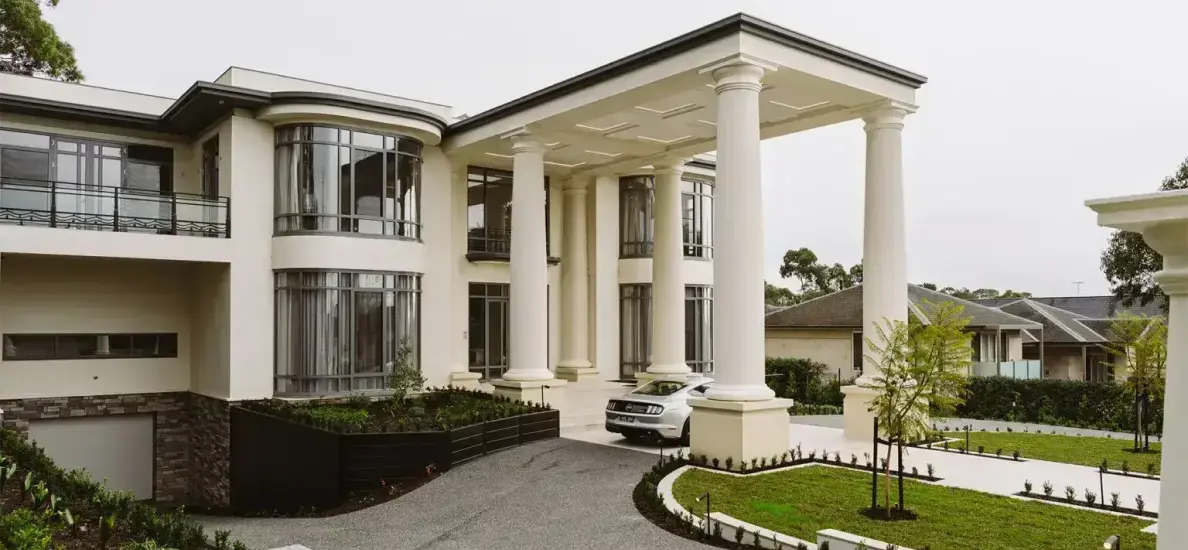
Melbourne is quaint with liveliness because of its myriad culture trappings, stereotypes, nostalgic ethos, and some truly awesome skyline views. Melbourne will be the marketplace for architectural innovation as we head towards 2025. Melbourne’s commercial architecture is facing groundbreaking transformations due to moves in technology, sustainable mandates, and design thinking. This article will chronicle the prevailing trends and how they are redefining the urban fabric of the city.
1. Sustainability at the Core
In the commercial architects Melbourne building industry, sustainability has ceased to be optional and has become a standard. The components of sustainability cover the use of:
- Green Building Certification: Many projects strive to achieve a 4-star Green Star rating and NABERS certification-thus assuring environmental efficiency.
- Renewable Energy Technology Integration: In building design, these consist solar panels, wind energy, and battery storage.
- Eco-Friendly Materials: These materials control the huge environmental footprint that the building materials usually possess.
2. Smart Building Technology
The smart systems integration is reshaping commercial spaces increasing the efficiency and the occupant experience:
- Convergence of IoT: Smart sensors rigorously monitor energy and lighting usage, heating and cooling systems.
- OOD System: Centralized data acquisition, cloud-based data analytics, scheduling and energy routine allows for real-time possible disorder; saw with a very predictive statics of some walled operation in great software in general operation called Configuration:
- Touchless Technology: Everything goes about touchless, missing out even installations, so technically say IoT, so hence in all cases door, elevator and lights work in touchless mode.
3. Mixed-Use Developments
The demand for mixed-use developments is growing, blending commercial, residential, and recreational spaces:
- Urban Communities: Developments like Collins Arch exemplify the seamless integration of multiple functionalities.
- Efficient Land Use: Maximizing land use in Melbourne’s dense urban areas.
- Enhanced Accessibility: Proximity to public transport and pedestrian-friendly designs make these spaces more attractive.
4. Biophilic Design
Biophilic design is all about establishing a connection between the occupants and their immediate natural surroundings, i.e, in a bid to enhance the well-being and productivity.
- Green Walls and Roofs: These designs are quite ahead of time and are equipped with vertical gardens and what is now an accepted and “conventional wisdom” roof than conventional green roofs.
- Green Walls and Roofs: Incorporating vertical gardens and rooftop greenery.
- Natural Lighting: Maximizing daylight through large windows and open layouts.
- Indoor Plant Integration: Bringing elements of nature into interior spaces.
5. Adaptive Reuse Projects
Repurposing existing structures into modern commercial spaces is a growing trend in Melbourne:
- Historic Preservation: Transforming heritage buildings while retaining their historical essence.
- Sustainability Benefits: Reducing construction waste by reusing materials and structures.
- Cultural Significance: Preserving Melbourne’s architectural identity.
6. Focus on Wellness-Oriented Workspaces
Designing for wellness is a priority as businesses recognize the importance of employee health and comfort:
- Ergonomic Design: Flexible workspaces with adjustable furniture and collaborative zones.
- Air Quality Management: Advanced ventilation systems for healthier indoor environments.
- Amenities: Incorporating gyms, meditation rooms, and wellness centers.
7. Emphasis on Resilience
Building material should be so formulated that it can withstand harsh conditions and can be modified for changing requirements:
- Design for Climate Resilience: Architectural structures that can survive severe weather modifications.
- Flexible Spaces: This means indoor architecture has the ability to serve different functions over a period.
- In-Place Disaster Preparedness: These will comprise of fire safety, floods, energy outrages.
8. Innovative Façade Designs
Façade technology is changing the aesthetic of commercial buildings by leaps and bounds.
- Dynamic Façades: Responsive materials that respond to sunlight and weather conditions.
- Energy Efficiency: Facades should reduce solar heat absorption and come up with energy-saving solutions.
- Iconic Designs: The façades can create striking visual landmarks to be reminiscent of the skyline of Melbourne.
Conclusion
By 2025, the commercial architectural landscape of Melbourne will undergo a transformation that will be spearheaded by sustainability, technology, and innovation, as these trends will not only increase a building’s functionality/aesthetic appeal but will improve the greener and resilient city. While Melbourne continues to grow, with an excellent example of commercial architecture wielded as a sign of the city’s stand for progress and innovation.