



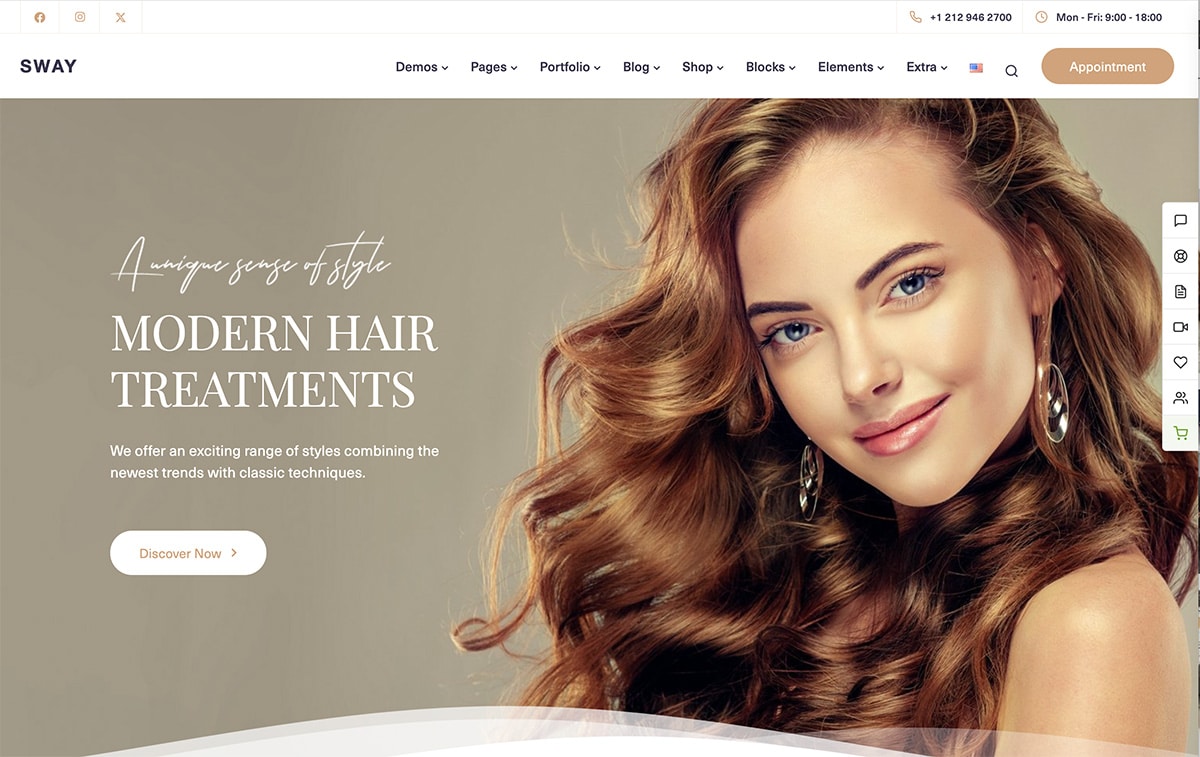
A salon can only thrive if people know about it, trust its services, and keep coming back. Traditional word-of-mouth still matters, but today most clients discover new salons, check reviews, and book appointments online. Digital marketing strategies help salons grow faster by attracting new clients, building stronger relationships, and increasing repeat visits.
Through tools like social media, search engines, and email campaigns, a salon can showcase its work, stay visible to local customers, and stand out from competitors. These strategies not only bring in fresh appointments but also create loyalty programs and personalized offers that keep clients engaged over time.
As a result, salons that use digital marketing gain more visibility, attract consistent bookings, and create a steady flow of loyal customers. This article explores the most effective strategies to drive growth, strengthen client acquisition, and build long-term success in a competitive beauty market.
Core Digital Marketing Strategies for Salon Growth
Salons can attract new clients and build stronger loyalty by improving their online visibility, connecting through social media, ranking higher in local searches, and using paid ads in a smart way. Each of these strategies works together to support steady growth and increase bookings.
Building a Strong Online Presence
A salon website often acts as the first impression for potential clients. It should clearly show services, prices, and contact details while also making it easy to book an appointment online. A clean layout, fast load time, and mobile-friendly design help visitors stay engaged.
High-quality images of hairstyles, treatments, and the salon interior create trust. Testimonials and before-and-after photos also add credibility. Regular updates, such as seasonal promotions or blog posts about haircare tips, show that the business stays active and professional.
For salons without a website, an easy-to-use salon website builder offers a simple way to get started without technical skills. This makes it possible to launch a professional site quickly and keep it updated without extra costs.
Leveraging Social Media Platforms
Social media gives salons a space to showcase their work and connect directly with clients. Platforms like Instagram, TikTok, and Facebook allow stylists to post before-and-after transformations, tutorial clips, and behind-the-scenes content.
Consistency matters. Posting a few times per week with a mix of images, videos, and stories helps maintain visibility. Using hashtags tied to local areas or trending styles can also bring in new followers who may become clients.
Paid campaigns on these platforms allow salons to target specific groups, such as people in the local area interested in beauty services. Direct interaction, such as responding to comments or messages, builds trust and keeps clients engaged.
Optimizing for Local Search and SEO
Clients often search online for “salon near me” or “best haircut in [city].” A salon that appears at the top of those results has a clear advantage. Search engine optimization (SEO) helps make this possible by using relevant keywords in titles, service descriptions, and blog content.
Local SEO is especially important. Adding accurate business information to Google Maps and online directories helps clients find the salon easily. Encouraging satisfied clients to leave reviews increases visibility and improves reputation.
Simple updates, such as writing clear meta descriptions and using descriptive image text, also strengthen search performance. Over time, these small actions can drive steady traffic to the salon’s website.
Implementing Targeted Online Advertising
Paid ads give salons immediate visibility to people actively searching for beauty services. Google Ads, for example, can place a salon at the top of search results for terms like “hair coloring near me.”
Social media ads allow precise targeting by age, location, and interests. This means a salon can reach people most likely to book an appointment instead of spending money on a broad audience.
Retargeting ads are also effective. They remind users who visited the salon’s website but did not book, giving them another chance to schedule. Careful tracking of ad performance helps refine campaigns and avoid wasted spending.
Improving Client Acquisition and Retention Through Digital Channels
Digital tools allow salons to reach new clients while also keeping current ones engaged. Clear communication, convenient booking systems, and reward-based programs help build trust and encourage repeat visits. These strategies work together to create steady growth and stronger client relationships.
Personalizing Client Communication
Clients respond well to messages that feel tailored to their needs. Salons can use email or text campaigns to share updates that match client preferences, such as reminders for haircuts, seasonal styles, or product recommendations. This approach makes communication feel more relevant and less like generic advertising.
Personalization also builds trust. For example, a stylist who notes a client’s favorite service can send a reminder right before the client usually books. Small touches like using a client’s name or referencing past visits show attention to detail.
Clear and consistent updates across social media also help. By posting style tips, before-and-after photos, or quick tutorials, a salon can stay connected with both new and existing clients. This balance of personal outreach and public content makes communication stronger and more effective.
Utilizing Online Booking and Convenience Tools
Easy scheduling is one of the most important factors for client satisfaction. Online booking platforms allow clients to choose services, view availability, and confirm appointments without calling the salon. This saves time for both the client and the staff.
Mobile-friendly booking systems are especially useful. Many clients prefer to book through a phone app or website late at night or during breaks in the day. If the process is quick and simple, clients are more likely to commit to regular visits.
Automated reminders also reduce missed appointments. A short text or email reminder helps clients stay on track and keeps the salon schedule more consistent. Convenience tools like digital payment options or service add-ons at checkout can further improve the overall experience.
Promoting Special Offers and Loyalty Programs
Special offers attract new clients while loyalty programs encourage repeat visits. For example, a discount for first-time customers can motivate someone to try the salon, while a reward system gives existing clients a reason to return.
Loyalty programs work best when they are easy to understand. A simple points system, such as “book five visits, get the sixth free,” gives clients a clear benefit. Digital tracking makes it easy for both the salon and the client to see progress without extra paperwork.
Promotions tied to holidays, birthdays, or seasonal events also create excitement. A birthday discount or a limited-time package for summer services can bring in clients who may not have booked otherwise. These strategies help maintain steady traffic while building long-term loyalty.
Conclusion
Digital marketing gives salons clear ways to attract new clients and keep regular ones engaged. Strategies like social media, SEO, and email campaigns help salons stay visible and connect with the right audience.
By using targeted ads, referral programs, and consistent content, salons can build steady growth without relying only on walk-ins or word of mouth.
As a result, salons that apply these methods see stronger client loyalty, more bookings, and better long-term business performance.