



Every year, millions of individuals suffer from a common ailment known as a urinary tract infection (UTI). It happens when dangerous bacteria infiltrate the urinary system, leading to infection and discomfort. Understanding the signs and knowing what to do if you suspect a UTI can help you get prompt treatment and avoid complications.
Signs Of A UTI
If you’re wondering how do I know if I have a UTI, it’s essential to stay informed about the common symptoms and signs of urinary tract infections. Maintaining good urinary tract health is crucial, as UTIs can affect the bladder and kidneys if left untreated. Early bladder infection awareness can help you recognize symptoms such as painful urination, frequent urges to urinate, and cloudy urine. UTI detection tips include paying attention to any changes in urination patterns or discomfort, and consulting a healthcare provider for a urine test to confirm the presence of an infection. Prompt attention to these signs can prevent complications and ensure quick recovery.
The degree of the infection and the part of the urinary tract that is impacted might change the symptoms of a UTI. However, some common signs indicate that you may have a UTI:
1. Frequent Urination
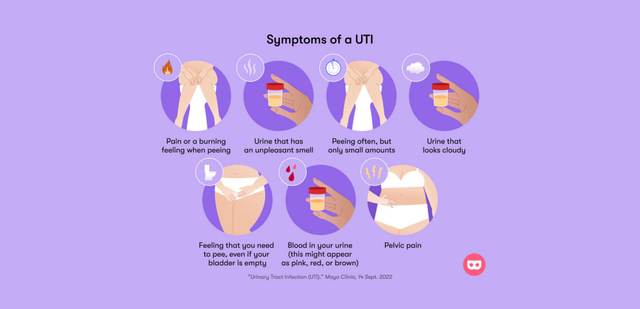
The urgent desire to urinate frequently, even in modest amounts, is one of the most typical signs of a urinary tract infection. You may feel like you need to go to the bathroom every few minutes, and this feeling may be accompanied by discomfort or pressure.
2. Pain Or Burning Sensation While Urinating
A painful or burning sensation during urination is another telltale sign of a UTI. This discomfort occurs because the infection irritates the lining of the urinary tract, causing a sharp, burning feeling when you urinate.
3. Cloudy Or Foul-Smelling Urine
UTIs often cause changes in the appearance and smell of urine. Urine may have a strong, disagreeable smell and appear muddy or hazy. If you notice these changes, it could be an indication of an infection.
4. Lower Abdominal Pain Or Discomfort
Many people with UTIs experience pain or discomfort in the lower abdomen or pelvic area. Often described as a dull discomfort or pressure, this sensation can get worse after urinating.
5. Blood In The Urine
In some cases, UTIs can lead to blood in the urine, which is called hematuria. The blood may appear as pink, red, or dark brown urine. It’s critical to get medical help as soon as you see blood in your urine.
6. Feeling Tired Or Unwell
A UTI can sometimes cause fatigue and general malaise. If you feel unusually tired, feverish, or unwell, along with other symptoms of a UTI, it may indicate that the infection has spread or is more severe.
Solutions For A UTI
If you experience any of these symptoms, it’s important to seek medical advice as soon as possible. A healthcare provider can help you determine if you have a UTI and recommend the appropriate treatment. Here are some steps to take:
1. Visit A Healthcare Provider
The first step in addressing a potential UTI is to schedule a visit to your healthcare provider. Usually, they will perform a urine test to look for blood, germs, or other infection-related indicators. Depending on the infection’s location and intensity, your doctor will recommend drugs to treat it.
2. Stay Hydrated
Drinking plenty of water is essential when fighting a UTI. It helps eliminate bacteria from the urinary tract and prevents the disease from spreading. To stay hydrated and help your body’s natural defenses, try to consume 8–10 glasses of water each day.
3. Follow Your Doctor’s Instructions
When prescribed antibiotics for a UTI, it’s important to follow your doctor’s instructions carefully. Finish the full course of antibiotics even if you start feeling better before the medication is gone. If the treatment is stopped too soon, the infection may worsen or return.
4. Over-The-Counter Pain Relief
Acetaminophen or ibuprofen are examples of over-the-counter pain medications that can assist ease the discomfort brought on by UTIs. Additionally, urinary pain relief medications such as phenazopyridine (AZO) can help ease the burning sensation while urinating.
5. Prevent Future UTIs
While you can’t always prevent a UTI, there are several steps you can take to reduce your risk. To maintain proper hygiene, avoid using strong soaps or douches in the genital area, urinate before and after sexual activity, and wipe from front to back after using the restroom. Another way to reduce moisture and prevent bacteria growth is to wear loose-fitting clothes and cotton underwear.
Conclusion
A urinary tract infection is a treatable condition that should not be ignored. By recognizing the signs and symptoms early and seeking medical help, you can address a UTI before it becomes more severe. Taking steps to maintain good urinary health and hygiene can also help you reduce the likelihood of future infections. If you experience symptoms of a UTI, don’t wait—seek medical advice and begin treatment promptly to feel better sooner.