



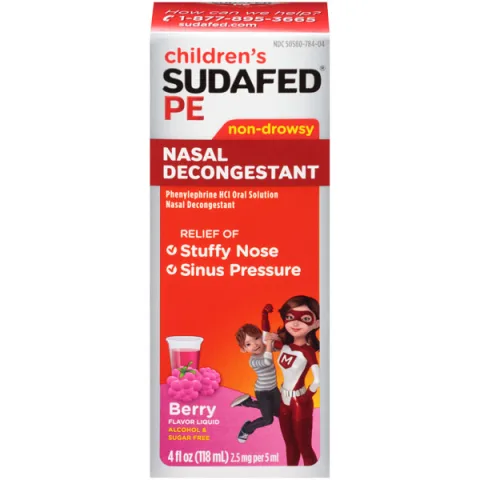
When children experience nasal congestion, parents often wonder about medication options. Can they use adult medications safely for their children? Are specialized pediatric formulations truly necessary for effective treatment? These questions arise frequently during the cold and flu seasons.
The distinction between adult and nasal decongestant for kids involves many important factors. These differences extend far beyond simple dosing adjustments or packaging. Formulation chemistry, safety profiles, and delivery methods all vary significantly. Let’s explore the key differences that make children’s decongestants uniquely suitable.
Ingredient Strength and Dosage Differences
Pediatric nasal decongestants contain significantly lower concentrations of active ingredients. Adult formulations might contain higher percentages of oxymetazoline or phenylephrine. Children’s versions are specifically diluted to prevent overstimulation of tissues. This reduced concentration helps minimize dangerous rebound congestion risks effectively.
Dosing guidelines for pediatric formulations differ substantially from adult versions entirely. These guidelines carefully consider body weight, age, and metabolic development. Proper dosages maintain appropriate safety margins for developing physiological systems. The selection of an appropriate nasal decongestant for kids requires these considerations.
Specialized Formula Components and Application Methods
Children’s nasal decongestants feature much gentler formulations with added moisturizing agents. Many pediatric versions incorporate natural saline solutions for additional comfort. Special buffering agents help maintain proper pH levels consistently. The pH levels are adjusted specifically for children’s sensitive mucous membranes. This careful adjustment prevents irritation while maintaining consistent therapeutic effectiveness.
Delivery systems for pediatric decongestants include many specialized safety features:
- Gentle mist sprayers designed specifically for smaller nostril openings
- Dropper bottles allow precise application control methods for caregivers
- Softer tip applicators prevent accidental injury during regular use
- Pre-measured doses avoid dangerous accidental overdose situations completely
- Child-resistant caps ensure medication safety when stored at home
Age-Specific Safety Protocols and Restrictions
The safety profile for kids’ nasal decongestants involves much stricter requirements. Age restrictions and monitoring requirements are significantly more stringent for adults. Many ingredients commonly found in adult formulations aren’t recommended for children. Potential side effects and developmental concerns guide these important restrictions carefully.
Pediatric versions undergo extensive additional safety testing for younger patient populations. This specialized testing focuses specifically on age-appropriate safety parameters and thresholds. Children’s formulations must consider increased absorption rates through delicate nasal tissues. Bioavailability studies help determine appropriate concentrations for different age groups.
Treatment Duration and Application Frequency Standards
Usage recommendations for children involve much shorter treatment durations than for adults. Significantly less frequent applications are recommended compared to standard adult products. This conservative approach helps prevent dependency and reduces potential adverse effects. Children’s developing nasal passages respond quite differently to decongestant medications entirely.
Pediatric treatment protocols emphasize minimal effective dosing for optimal results.
More conservative treatment approaches recognize these important physiological differences very appropriately. Pediatric formulations include much clearer instructions about maximum daily usage limits. Specific warnings about extended use help caregivers avoid serious complications effectively.
Medical Supervision Requirements for Pediatric Use
Using nasal decongestants generally requires much closer medical oversight in kids. Younger children need additional monitoring during treatment periods consistently and carefully. Those with underlying health conditions require even more intensive supervision protocols. Healthcare providers often strongly recommend consultation before starting any decongestant therapy.
Unique considerations exist when treating developing respiratory systems properly and safely. Medical professionals may suggest alternative treatments specifically designed for children. Combination approaches might be significantly more suitable for individual patient cases. Age-related factors influence treatment selection and monitoring protocols considerably throughout therapy.
Pediatric and adult nasal decongestants differ in many fundamental ways. These important differences reflect the unique physiological needs of younger patient populations. Safety requirements also vary dramatically between different age groups and stages. Parents should always prioritize formulations designed specifically for pediatric use. Professional medical guidance remains absolutely essential for proper treatment selection decisions.