



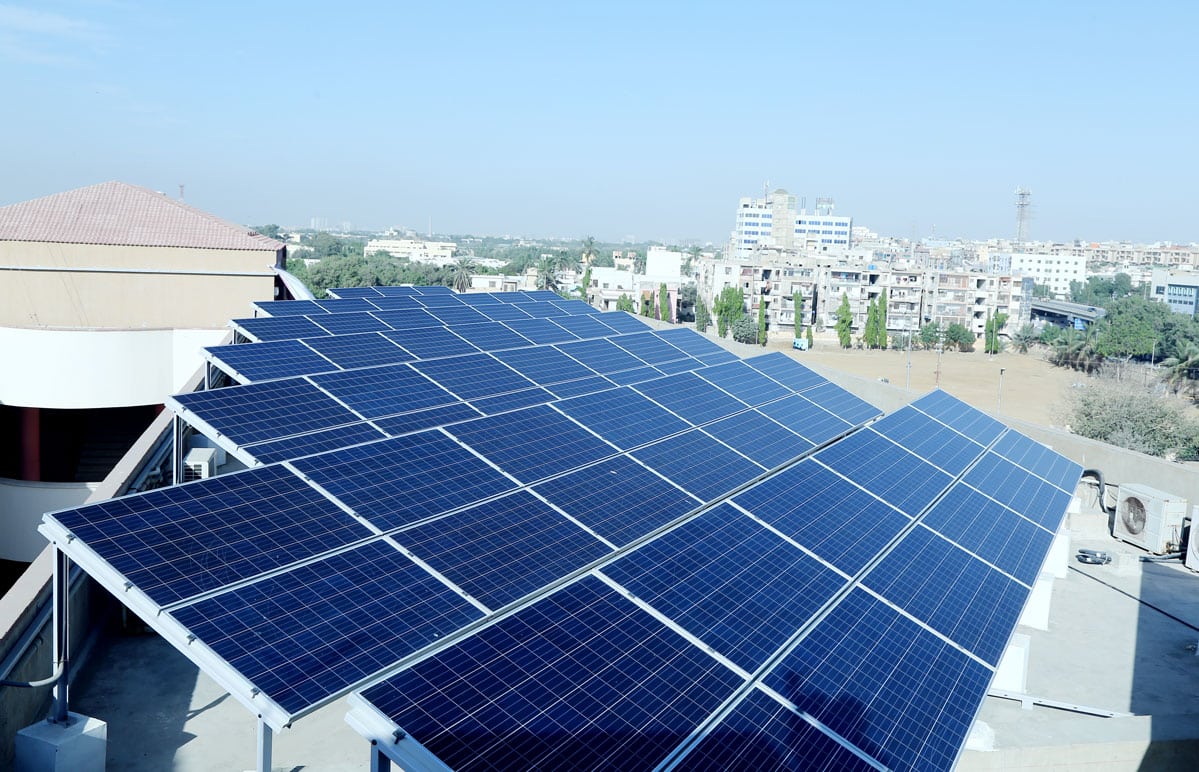
The demand for solar energy in Pakistan is increasing due to rising electricity costs. Many homeowners and businesses are switching to solar power to reduce their electricity bills and become energy-independent. But how much can you actually save? This article breaks down costs, government incentives, and long-term benefits to help you decide if solar panels are the right investment for you.
Initial Investment and Setup Costs
Installing solar panels requires an initial investment, including panel costs, inverters, and installation charges. The solar panel price in Pakistan varies depending on the type and efficiency of the system. On average, a 5kW solar system costs between PKR 300,000 and 500,000, while a 10kW system can range from PKR 600,000 to 1,200,000.
Breakdown of Solar Panel Costs
| System Size | Estimated Price (PKR) |
| 5 kW | 300,000 – 500,000 |
| 10 kW | 600,000 – 1,200,000 |
Additional expenses include:
- Batteries (for backup power)
- Inverters (convert DC to AC power)
- Installation charges
Government Incentives and Subsidies
The Pakistani government encourages solar energy adoption by offering various incentives, including:
- 0% General Sales Tax (GST) on imported solar panels
- Net metering policies, allowing homeowners to sell excess electricity back to the grid
- Bank financing options for residential and commercial users
These programs significantly reduce upfront costs and make solar energy more accessible.
How Much Can You Save?
Savings depend on several factors, such as electricity consumption, solar system size, and location. Households with a 5kW system can save up to PKR 15,000 – 25,000 per month on electricity bills, while a 10kW system can save around PKR 30,000 – 50,000 per month.
Estimated Annual Savings
| System Size | Estimated Monthly Savings (PKR) | Annual Savings (PKR) |
| 5 kW | 15,000 – 25,000 | 180,000 – 300,000 |
| 10 kW | 30,000 – 50,000 | 360,000 – 600,000 |
Return on Investment (ROI) and Payback Period
The payback period for a solar system depends on its efficiency and energy consumption. Typically, users recover their investment within 4 to 6 years. With net metering, the ROI improves further as excess electricity is sold to the grid.
Factors affecting ROI:
- Sunlight availability (varies by region)
- Electricity rates (higher rates lead to faster payback)
- System efficiency and maintenance
Environmental and Long-Term Benefits
Switching to solar energy has multiple long-term advantages:
- Reduces carbon footprint and air pollution
- Lowers reliance on fossil fuels
- Requires minimal maintenance, leading to cost savings
- Increases property value, as homes with solar panels are more attractive to buyers
Challenges to Consider
While solar energy is beneficial, there are some challenges:
- Initial investment can be high despite incentives
- Weather conditions affect energy production (e.g., cloudy days reduce efficiency)
- Battery storage costs for off-grid solutions
- Grid dependency, as net metering policies may vary
Case Studies: Real-World Examples
Many households and businesses in Pakistan have successfully reduced their electricity bills with solar power.
For example:
- A Karachi household with a 10kW system saves over PKR 500,000 annually.
- A Lahore-based business switched to solar and cut its electricity costs by 60%.
These success stories highlight the effectiveness of solar energy in Pakistan.
Conclusion
Solar energy is a reliable and cost-effective solution for reducing electricity expenses. With government incentives and a short payback period, solar panels offer significant savings while benefiting the environment. If you are considering solar energy, consult with a local provider to estimate potential savings and choose the best system for your needs.
FAQs
How much can I save with solar panels in Pakistan?
Savings depend on system size and electricity consumption. A 5kW system can save up to PKR 300,000 annually.
Are solar panels worth the investment?
Yes. The payback period is 4-6 years, and savings continue for 20+ years.
What government incentives are available?
Pakistan offers 0% GST on solar panels and net metering benefits.
What is the payback period for solar panels?
Most users recover costs within 4 to 6 years.
By investing in solar energy, you can reduce costs, achieve energy independence, and contribute to a cleaner environment. If you’re looking for the best solar panel price in Pakistan, research and compare options to find the most suitable system for your needs.