



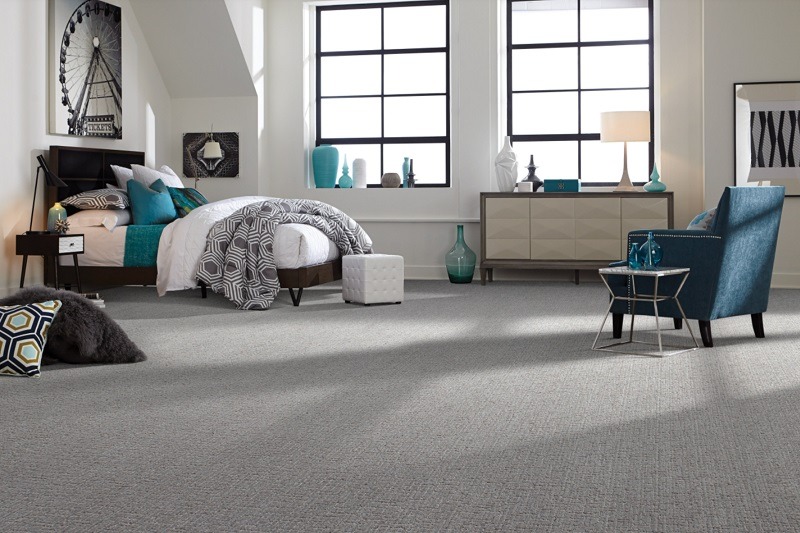
The right carpet Abu Dhabi homeowners should buy depends on three local realities: fine desert sand and dust, year-round air conditioning that dries out fibers, and how each room is actually used — from a formal majlis to a child’s bedroom. High-traffic and entry areas need durable, sand-resistant fibers like nylon or triexta. Bedrooms and majlis seating areas suit plush, soft styles like wool or polyester. Anywhere near villa entrances, pool decks, or ground-floor reception areas should prioritize easy-clean, moisture- and dust-resistant options. Get that match right per room, and color, pattern, and budget become the easy part.
Why Carpet Shopping in Abu Dhabi Is Different
If you’re searching for carpet Abu Dhabi options — whether for a new villa in Khalifa City, an apartment on Reem Island, or a majlis refresh ahead of a family gathering — it’s worth knowing that local conditions change what “the right carpet” actually means. And if you’re comparing flooring in Abu Dhabi more broadly, deciding between carpet, tile, and vinyl for different rooms before you even pick a fiber or color can save you from an expensive re-do later. Three factors matter more here than in many other markets:
- Fine desert dust and sand get tracked in constantly, especially near entrances, majlis rooms, and ground-floor living spaces, so easy-to-vacuum, dust-resistant fibers matter more than in less arid climates.
- Heavy year-round air conditioning keeps homes dry, which can make static build-up and fiber brittleness more noticeable over time — synthetic fibers with anti-static treatment hold up better.
- Villa vs. apartment living changes the traffic pattern. A villa majlis, multiple bedrooms, and an outdoor-facing terrace all have very different demands than a single-level apartment.
Keep dust exposure, AC-driven dryness, and room function in mind as you go through fiber types, pile styles, and room-by-room picks below.
Step 1: Understand Carpet Fiber Types
Fiber is the biggest factor in how a carpet performs, feels, and ages — and it matters even more in a dusty, air-conditioned climate.
| Fiber | Feel | Durability | Dust/Stain Resistance | Best For | Typical Price Range (AED per sqm, material only) |
| Nylon | Springy, resilient | Excellent | Very good, often treated | Majlis, living rooms, entrances | AED 80–650 |
| Triexta (SmartStrand/Sorona) | Soft, slightly springy | Very good | Excellent, built-in | Family rooms, active households | AED 150–600 |
| Polyester (PET) | Very soft, plush | Fair to good | Good | Bedrooms, low-traffic formal rooms | AED 50–450 |
| Olefin (Polypropylene) | Firmer underfoot | Good | Excellent vs. water and moisture | Utility rooms, pool-adjacent areas | AED 70–400 |
| Wool | Luxurious, natural | Excellent (with care) | Naturally soil-resistant | Formal majlis, master bedrooms | AED 250–1,600+ |
Quick takeaway: Nylon and triexta handle sandy, high-traffic zones best; wool and polyester feel most luxurious for majlis and bedroom use; olefin is the practical pick anywhere moisture or humidity (like near a pool deck or laundry room) is a concern.
Note: prices vary widely between showrooms and are shown here as general market ranges — always request a per-sqm quote from your Abu Dhabi supplier, since imported wool and specialty fibers can run significantly higher.
Step 2: Choose a Pile Style and Construction
- Cut pile (plush, Saxony, textured, frieze): Soft, upright fibers ideal for bedrooms and formal majlis seating, though they show footprints more.
- Loop pile (Berber, level loop): Durable and low-profile — a strong pick for entrances, hallways, and home offices where dust and daily foot traffic are constant.
- Cut-and-loop (patterned): Hides everyday wear while adding texture, a good middle ground for busy family living rooms.
- Frieze (twist): Tightly twisted fibers that disguise footprints and vacuum lines — practical for casual family rooms with kids.
- Shag: Deepest pile, best reserved for low-traffic accent areas rather than sandy, high-traffic villa entrances.
Quality check: ask for the face weight (grams per sqm). Denser, heavier pile resists crushing and holds up better against the fine sand and grit common in UAE homes.
Step 3: Match Carpet to Each Room
Majlis
The majlis is often the most formal, most-photographed room in an Abu Dhabi home, so it deserves a carpet that balances elegance with real-world durability, since guests, shoes-off seating, and frequent gatherings all add wear. Wool or high-grade nylon in a plush or Saxony cut, paired with a rich neutral or a traditional pattern, holds up well while looking refined.
Living Room
Daily family life plus regular entertaining calls for a durable, dust-resistant carpet that still feels comfortable underfoot. Nylon or triexta in a textured or frieze cut, or a cut-and-loop pattern, balances resilience with comfort.
Bedroom
Lighter foot traffic means comfort can take priority. Plush or Saxony cut-pile in wool, nylon, or polyester adds warmth against cool tiled or marble sub-floors and softens the dry AC air with better sound absorption.
Kids’ Room
Durability and easy cleaning matter more than plushness here. Low-pile loop or textured carpet in nylon or triexta resists stains and rough play, and brighter colors or playful patterns suit this room better than more formal spaces.
Home Office / Study
A low-to-medium pile lets desk chairs move easily while still muffling sound from open-plan living areas. Darker tones or subtle patterns disguise wear from chair casters and daily dust.
Dining Room
Frequent spills call for a low-pile, loop, or cut-loop carpet in a stain-resistant fiber, which is easier to clean than a thick plush pile. Neutral tones or subtle patterns keep the space feeling formal.
Entrances, Hallways, and Staircases
These see the heaviest dust and sand tracked in from outside, plus the most daily foot traffic. A dense, low-pile nylon (Berber or tightly twisted frieze) resists matting and grit buildup far better than a deep plush pile. Darker colors help conceal ground-in dust between cleanings.
Villas with Outdoor-Facing or Pool-Adjacent Rooms
Humidity and moisture near pool decks or garden-facing rooms make olefin (polypropylene) the safer choice, since it resists mold, mildew, and dampness better than wool or standard nylon.
Nurseries
Prioritize low-VOC, hypoallergenic materials, especially important in a sealed, air-conditioned room where a baby spends significant time on the floor. Look for GREENGUARD Gold or CRI Green Label Plus certification when available through your supplier.
Step 4: Choose Color and Pattern With Intention
- Light neutrals (cream, sand, warm beige) suit Abu Dhabi’s design palette well and make rooms feel airy under strong natural or LED lighting.
- Dark tones (charcoal, deep brown, navy) conceal ground-in dust and sand effectively — practical for entrances and hallways.
- Traditional patterns (geometric, Persian-inspired motifs) work beautifully in a majlis, echoing regional design while still hiding daily wear.
- Cool tones (soft blues, greens) support a calm, restful bedroom or study atmosphere, offsetting the visual heat of a desert climate.
- Pick carpet before wall color when redoing a room — it’s easier to match paint to an existing carpet tone than the reverse.
Step 5: Don’t Skip the Padding (Cushion)
Padding affects comfort, insulation, and how long the carpet on top lasts — and it matters even more over cool tile or marble sub-floors common in UAE homes.
- High-traffic areas (majlis, entrances, hallways): firmer, denser padding, roughly 11mm thick with around 6 lbs. density per cubic foot for cut-pile carpet.
- Low-traffic areas (guest bedrooms): can use a thicker, softer pad for extra plushness.
- Berber or low-loop styles: need a thinner, denser pad (around 9.5mm, 8 lbs. density) to avoid flexing the backing.
- Always confirm padding requirements with your installer — using the wrong pad can void the manufacturer’s warranty.
Step 6: Factor In Cost Realistically
Carpet in Abu Dhabi is typically quoted per square meter for material, with padding and installation labor priced separately.
| Budget Tier | Material Cost (AED per sqm) | Typical Lifespan | Common Use |
| Entry-level (builder-grade) | AED 40–120 | 3–5 years | Rentals, quick refreshes |
| Mid-grade | AED 120–450 | 6–12 years | Living rooms, bedrooms |
| High-quality (wool/premium nylon) | AED 450–1,600+ | 12–20 years | Majlis, formal rooms, long-term villas |
On top of material cost, budget roughly AED 15–60 per sqm for padding and AED 20–90 per sqm for professional installation, which runs higher for staircases and irregular room shapes. To estimate total project cost:
Total Cost = (Room Area in sqm) × (Carpet Cost + Padding Cost + Installation Cost) + any add-on fees
To measure a room, multiply length by width in meters, then add 5–10% extra for waste, seams, and pattern matching — your Abu Dhabi supplier will typically remeasure on-site before final installation.
Step 7: Consider Allergies, Dust, and Indoor Air Quality
Constant AC circulation and fine desert dust make indoor air quality a bigger consideration for many Abu Dhabi households than in less arid climates.
- Best fibers for dust and allergy sufferers: Nylon and polyester resist trapping fine dust and don’t hold onto airborne particles the way looser natural fibers can.
- Best pile for easy dust removal: Low-pile, tightly looped constructions are easier to vacuum thoroughly than thick plush or shag piles that trap fine sand deep in the fibers.
- Look for low-VOC certification: GREENGUARD Gold or CRI Green Label Plus indicate lower chemical emissions, useful in sealed, air-conditioned bedrooms and nurseries where air exchange is limited.
- Wool is naturally resistant to dust mites in many cases but needs more frequent professional cleaning to stay allergy-friendly in a dusty environment.
Carpet vs. Other Flooring: A Quick Gut Check
Before you commit room-by-room, it’s worth stepping back and comparing carpet against the other flooring that Abu Dhabi homes commonly use, since many villas and apartments mix multiple flooring types across the same floor plan.
- Carpet wins for: warmth over cool tile or marble, sound absorption in open-plan villas, and comfort in majlis and bedroom seating areas.
- Hard flooring (tile, marble, vinyl) remains the practical choice for kitchens, bathrooms, and outdoor-facing terraces where sand, water, and heat exposure are constant.
- Area rugs offer flexibility — easy to swap between a majlis and living room, more affordable than wall-to-wall, and simple to take with you if you relocate — though they need a finished floor underneath and a rug pad to prevent slipping.
Room-by-Room Carpet Cheat Sheet
| Room | Best Fiber | Best Pile | Padding | Color Tip |
| Majlis | Wool/Premium Nylon | Plush, Saxony | Medium-firm | Rich neutrals or traditional pattern |
| Living Room | Nylon/Triexta | Textured, frieze, cut-loop | Medium-firm | Mid-tone neutral or pattern |
| Bedroom | Wool/Nylon/Polyester | Plush, Saxony | Thick, soft | Calming cool tones |
| Kids’ Room | Nylon/Triexta | Low-pile loop or textured | Medium | Bright, playful colors |
| Home Office | Nylon | Low-to-medium pile | Firm | Neutrals, cool tones |
| Dining Room | Nylon/Triexta | Low-pile or cut-loop | Firm | Neutral, subtle pattern |
| Entrance/Hallway | Nylon (Berber/frieze) | Dense loop or twist | Thin, firm | Darker tones |
| Pool-Adjacent Room | Olefin | Loop or level-cut | Moisture-resistant | Any (moisture matters more) |
| Nursery | Nylon/Polyester (low-VOC) | Soft cut-pile | Soft | Light, calm neutrals |
Maintenance Tips for UAE Homes
- Vacuum at least twice a week in entrances and majlis areas, where fine sand and dust accumulate faster than in less arid climates.
- Blot spills immediately rather than scrubbing, which can unravel fibers.
- Schedule professional deep cleaning every 10–12 months — slightly more often than typical guidance elsewhere, given the dust levels common in Abu Dhabi.
- Use an entrance mat or runner at every exterior door to cut down on sand tracked onto carpeted areas.
- Confirm cleaning products with your supplier before use, since the wrong product can discolor fibers or void a warranty.
Final Takeaway
Whether you’re furnishing a new villa in Al Reem, refreshing a majlis in Khalifa City, or simply comparing options while browsing carpet Abu Dhabi showrooms, the right choice always comes down to matching fiber, pile, padding, and color to how each specific room is used — factoring in local realities like sand, dust, and constant air conditioning. Get those room-by-room decisions right, and the color and style choices become the easy part.
Frequently Asked Questions
What is the best carpet for a majlis in Abu Dhabi? Wool or high-grade nylon in a plush or Saxony cut is generally the best fit for a majlis, since it balances a refined, formal appearance with enough durability to handle frequent gatherings.
Is carpet suitable for Abu Dhabi’s climate? Yes, provided the fiber is chosen with dust and dryness in mind. Nylon and triexta resist sand buildup and static well, while olefin is the safer pick in any room exposed to poolside or garden humidity.
How much does carpet cost per square meter in Abu Dhabi? Prices generally range from around AED 40 per sqm for entry-level synthetic carpet up to AED 1,600 or more per sqm for premium wool, with padding and installation typically priced separately.
What carpet pile is best for entrances and hallways? Low-pile loop or tightly twisted frieze styles hold up best against sand and heavy foot traffic, since they resist matting and are easier to vacuum thoroughly than plush or shag piles.
Does thicker padding always mean a better carpet? No. Padding should match the carpet type — Berber and low-loop carpets need thinner, denser padding, while plush cut-pile carpets in bedrooms can handle thicker, softer padding.
What’s the most dust-resistant, hypoallergenic carpet option for a UAE home? Low-pile nylon or polyester is commonly recommended, since it resists trapping fine dust and is easier to vacuum thoroughly than deeper pile styles.
Should I buy carpet or choose wall color first when renovating? Buy the carpet first. It’s easier to match wall paint to an existing carpet tone than to find a carpet that matches paint already on the walls.
How often should carpet be professionally cleaned in Abu Dhabi? Roughly every 10 to 12 months, slightly more frequently than in less dusty climates, to remove fine sand and dirt that regular vacuuming can’t fully reach.