



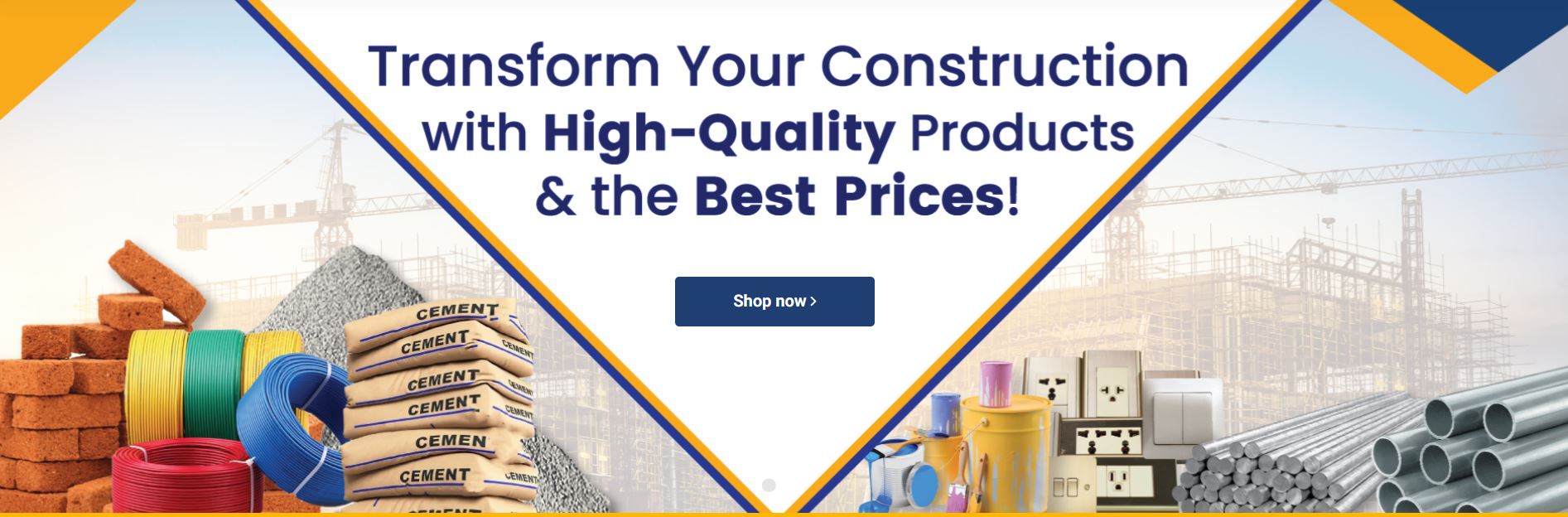
When you venture out to purchase building materials, you need to get the best value for your money. Whether you are rebuilding your house on a small or large scale, you must master the technique of comparing prices at a building materials store to save a lot of money. With a strategic mind, you can purchase top-notch materials for low prices without compromising efficiency and longevity.
1. Go Shopping at Several Building Material Suppliers
The initial step toward securing the most favorable terms is to shop around. Prices for building materials vary significantly by location, supply chain, and selling cycle. Shop and compare prices at local sources and online sellers. Some offer discounts on bulk purchases, while others provide discounts on individual components like roofing or insulation.
Second, specialty suppliers should be considered, as they handle exclusive building materials. For example, some sell solely lumber and concrete, while others offer more premium quality siding and expansion joints. By doing so, you can find the most suitable suppliers for each category, ensuring the highest savings and good-quality materials
2. Compare Prices From Various Platforms
With online shopping, homeowners and builders can now compare prices across different websites. Most hardware stores also update their products and prices on web catalogs. There are also price comparison websites to get the best prices for cement, installation materials, etc.
When price shopping, do not just look at the initial price. Add shipping fees, taxes, and potential discounts for bulk purchases based on price. Some suppliers offer bulk order free shipping, and this is a sure lifeline when purchasing material for massive projects.
3. Consider Quality As Well As Price
While low prices are the priority, the quality of the material should also be considered. Low-quality materials mean more repairs and replacements, which increase long-term costs. When looking for building materials, look for brands and makers that are highly rated for durability.
For instance, discover industry standards and certifications when purchasing wood or concrete. Materials used for roofing and siding ought to have guarantees that dictate longevity. A perfect building material shop must provide transparent product specifications to facilitate comparison.
4. Take Advantage of Seasonal Sales and Discounts
Prices of building materials fluctuate throughout the year based on demand and supply. Most builders in the construction sector offer discounts on off-peak demand or holiday promotions. Buy off-season clearance, manufacturer rebates, and special sales on peak-demand products like cement and insulation.
If you are embarking on a long project, time your shopping at the best times. Shopping for materials in the off-season can give you better bargains than at periods when demand is high in the peak season.
5. Get Contractor Discounts and Membership Programs
Several suppliers offer contractor discounts to businesses or individuals who frequently purchase building materials. If you are a builder or contractor, inquire about membership programs with VIP pricing, promotions, and priority service.
Some building materials stores offer financing options for large orders, helping businesses manage their budgets more effectively. Whether you are purchasing tools, supplies, or specialized materials, exploring membership perks can help you achieve significant savings.
6. Look at Alternative Brands and Suppliers
High-profile brands are expensive, but other firms can offer the same quality at a lower price. When purchasing insulation, concrete, and siding materials, try different brands and compare their features.
Check for reviews from other builders who have used these products. Some substitute brands in the building industry offer lower-cost alternatives without sacrificing performance.
7. Purchase in Bulk for Significant Cost Savings
If your project requires a lot of materials, buying in bulk can be a significant cost saver. Most construction material suppliers offer bulk pricing, so purchasing essentials like cement, roofing, and expansion joints is less expensive.
But handle storage and waste disposal with care. Ensure that the bulk materials you buy will be used before they expire. Certain building materials, such as wood and concrete, must be stored under special conditions to maintain them in good condition.
8. Compare Installation and Additional Service Costs
Other than material cost, consider any value-added services from the supplier. Some building material retailers provide installation support, cutting, or project consultation. These services are worth the price for complicated products such as siding or insulation.
Compare the suppliers’ service fees by requesting quotes from multiple suppliers. Installation and material purchase may be packaged together by some firms at a discount, which is cheaper.
9. Look for Cost-Effective and Sustainable Options
Sustainability is becoming more critical in the construction industry. Nowadays, most suppliers offer sustainable building supplies that are cost-effective in the long run. For example, energy-efficient insulation saves on heating and cooling costs, and durable roofing materials increase a building’s lifespan.
When price shopping, consider the long-term benefits of green products. Governments and institutions also offer incentives to use green materials that lead to additional cost savings.
10. Read the Fine Print on the Return Policy and Warranties
Before purchasing, read the supplier’s return policy and warranties. Some building material sellers offer limited returns, while others offer flexible exchange policies.
Ensure that what you buy, whether equipment, materials, or building supplies, comes with a warranty that covers defects. This will ensure quality and minimize the possibility of hidden expenses.