



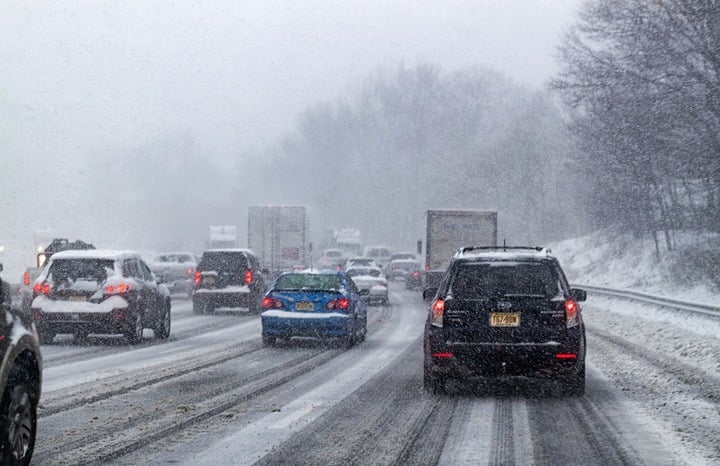
Weather conditions have a profound impact on traffic safety and roadway efficiency. From heavy rainfall and snowstorms to thick fog and extreme heat, various environmental factors challenge the effectiveness of traffic signals. Properly designed and strategically placed signals must be resilient, visible, and responsive to changing weather conditions. By integrating advanced technologies and innovative engineering practices, cities can ensure that traffic signals remain reliable in all types of weather.
The Impact of Weather on Traffic Signals and Road Safety
Different weather conditions affect traffic signals and driver behavior in unique ways:
- Rain and Flooding: Reduced visibility, slippery roads, and increased stopping distances require traffic signals that remain bright and visible. Rain can also cause reflective glare, making it harder for drivers to see signal colors clearly.
- Snow and Ice: Ice accumulation on signal heads and obscured road markings can lead to misinterpretation of signals and increased accident risks. Snow can also create delays in traffic flow, requiring adjusted signal timing.
- Fog and Low Visibility: Fog reduces sight distance, making bright LED signals and strategically placed signage critical for safe navigation. Traditional signals can become difficult to see in dense fog, leading to confusion at intersections.
- High Winds and Storms: Strong winds can damage traffic signal infrastructure, leading to outages or misalignment. Fallen tree branches, poles, and debris can obstruct signals, making them ineffective in guiding traffic.
- Extreme Heat and Sun Glare: High temperatures can affect signal electronics, while sun glare can make signal colors harder to distinguish. In desert climates, prolonged sun exposure can reduce the effectiveness of signal lenses.
Technological Innovations for Weather-Resilient Traffic Signals
Advancements in traffic signal technology have significantly improved their ability to withstand and adapt to harsh weather conditions. Some of these innovations include:
1. High-Visibility LED Traffic Signals
Traditional incandescent bulbs have been replaced by high-intensity LED lights, which offer:
- Improved brightness to maintain visibility during fog and heavy rain.
- Lower power consumption, reducing energy strain on the system.
- Longer operational lifespan, minimizing maintenance needs.
- Auto-adjusting brightness, ensuring signals are visible even in glaring sunlight.
LED signals have significantly reduced misinterpretation of traffic signals in harsh weather conditions.
2. Weather-Responsive Traffic Signal Control
Adaptive signal control systems now incorporate weather data to adjust signal timing and reduce accidents. These systems:
- Detect precipitation levels through roadside weather stations.
- Extend yellow and red light phases during slippery conditions.
- Modify pedestrian crossing signals to allow more time for safe passage in snowy or icy conditions.
- Lower speed limits in severe conditions and display alerts on digital signboards.
3. Heated Traffic Signal Lenses for Ice Prevention
One of the biggest challenges in winter weather is ice formation on traffic signals, which can obscure lights. Newer traffic signals incorporate:
- Built-in heating elements to prevent ice accumulation.
- Self-cleaning designs that reduce the buildup of snow and frost.
- Angled visors to reduce snow sticking to the lens surface.
These innovations have improved signal reliability in cold climates, reducing the need for manual snow removal.
4. Smart Sensors for Low-Visibility Conditions
In dense fog or heavy rain, drivers may have difficulty seeing traffic signals. To combat this, modern signals include:
- Fog detection sensors that trigger enhanced brightness settings.
- Flashing signal modes that increase visibility when needed.
- Radar-assisted vehicle detection, ensuring that signals remain operational even when traditional cameras struggle in low-light conditions.
How Cities Are Implementing Weather-Resistant Traffic Signals
Municipalities are investing in weather-adaptive traffic control systems to improve roadway safety. Some key initiatives include:
- Installation of backup power systems to keep traffic signals operational during storms.
- Use of reflective signal backplates to improve contrast and visibility.
- Integration of emergency alerts that adjust traffic signal priorities in severe weather events.
- Coordinated road salt and de-icing strategies, preventing road conditions from deteriorating near critical intersections.
- Automated alerts to drivers via GPS navigation systems, providing real-time updates on road conditions and signal timing changes.
The Future of Weather-Adaptive Traffic Signals
As technology continues to evolve, the next generation of weather-resistant traffic signals will incorporate:
- AI-driven predictive weather response systems, analyzing data to anticipate hazardous conditions.
- Solar-powered and self-sustaining traffic signals, reducing dependency on traditional power grids.
- Augmented reality (AR) integration for enhanced driver awareness, displaying virtual traffic signal information on vehicle windshields.
- Machine learning-based traffic optimization, ensuring that signals adapt dynamically to extreme weather patterns.
- Integration with connected vehicle networks, allowing cars to communicate directly with traffic signals for safer navigation.
Lighthouse Transportation Group, LLC’s Role in Weather-Adapted Traffic Signal Solutions
Lighthouse Transportation Group, LLC is dedicated to implementing traffic signal solutions that enhance roadway safety in all weather conditions. By incorporating smart technologies and weather-responsive systems, the company ensures that traffic signals remain effective regardless of environmental challenges.
With the increasing unpredictability of climate conditions, developing resilient, and efficient traffic signals is essential to maintaining safe roads. The intersection of technology and weather adaptation continues to pave the way for smarter, safer urban and rural traffic management.