



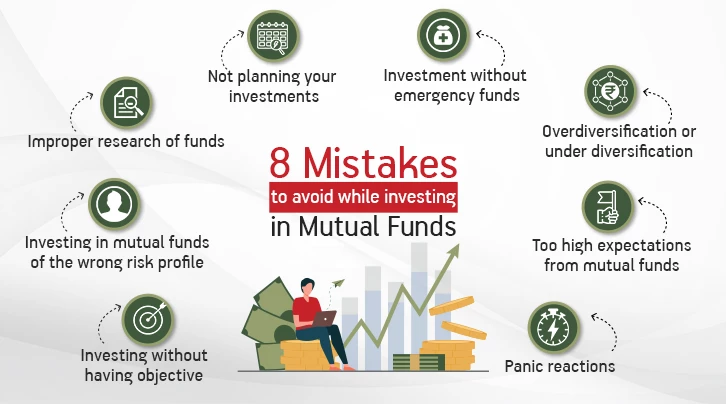
Successful investment management requires discipline, patience, and strategic decision-making. While investing can help build wealth over time, common mistakes can hinder financial growth and even lead to significant losses. Whether you are a beginner or an experienced investor, avoiding key pitfalls is crucial to achieving long-term success. Below are some of the most common investment management mistakes and how to steer clear of them.
1. Lack Of A Clear Investment Plan
One of the biggest mistakes investors make is not having a well-defined investment plan. Without clear financial goals and a structured approach, investment decisions can become impulsive and reactive. A comprehensive plan should outline:
- Short-term and long-term financial objectives
- Risk tolerance and investment horizon
- Asset allocation and diversification strategy
A well-structured plan provides direction and prevents emotional decision-making during market fluctuations.
2. Ignoring Diversification
Failing to diversify a portfolio is a significant investment mistake. Investing too much in a single stock, sector, or asset class exposes an investor to unnecessary risk. Market downturns can wipe out considerable wealth if investments are concentrated in one area.
To avoid this:
- Invest in stocks, bonds, commodities, and real estate, among other asset classes.
- Invest in multiple industries to mitigate sector-specific risks.
- Consider international investments to reduce reliance on a single economy.
Diversification balances risk and ensures that poor performance in one investment does not derail overall financial progress.
3. Emotional Decision-Making
Market volatility often triggers emotional reactions that lead to rash investment decisions. Fear during market downturns may prompt investors to sell at a loss, while greed during market rallies can result in overpaying for assets.
To maintain discipline:
- Adhere to a long-term investment plan rather than responding to cyclical changes in the market.
- Avoid making decisions based on media hype or social trends.
- For an unbiased viewpoint, think about speaking with a professional advisor like ARQ Wealth.
4. Timing The Market Instead Of Time In The Market
It is dangerous to try to forecast market highs and lows. Attempting to time the market, many investors buy at the bottom and sell at the top. However, even experienced professionals struggle to do this consistently.
A more reliable approach is:
- Adopting a long-term investment mindset rather than focusing on short-term price fluctuations.
- Staying invested to benefit from compound growth over time.
Historical data shows that remaining invested, even through market downturns, often results in more substantial long-term gains than trying to time entries and exits.
5. Neglecting Risk Management
Every investment carries some level of risk, and failing to assess and manage risk properly can lead to financial losses. Some common risk-related mistakes include:
- Investing too aggressively without considering personal risk tolerance.
- Not reviewing and adjusting asset allocation over time.
- Ignoring stop-loss orders or risk mitigation strategies.
6. Overlooking Fees And Expenses
Investment fees, management charges, and trading costs can eat into returns over time. Many investors do not pay attention to these costs, leading to reduced long-term gains.
To minimize unnecessary expenses:
- Choose low-cost index funds or ETFs instead of high-fee actively managed funds.
- Review expense ratios and brokerage fees before making investment decisions.
- Work with transparent advisors, such as ARQ Wealth, who prioritize cost-effective strategies.
7. Ignoring Tax Implications
Taxes can significantly impact investment returns if not appropriately managed. Investors often overlook tax-efficient strategies, leading to higher tax burdens.
To optimize tax efficiency:
- Invest in tax-advantaged accounts (such as retirement accounts) when possible.
- Utilize tax-loss harvesting to offset gains with losses.
- Be mindful of short-term vs. long-term capital gains tax rates.
8. Not Rebalancing The Portfolio
Market fluctuations can cause a portfolio to drift from its intended allocation. Without periodic rebalancing, an investor may become overexposed to specific asset classes, increasing risk.
To stay on track:
- Review the portfolio at least once a year and adjust asset allocation if needed.
- Sell overperforming assets and reinvest in underweighted areas to maintain balance.
- Consider rebalancing based on financial goals and changing market conditions.
9. Failing To Adapt To Changing Financial Goals
Financial goals evolve, and investment strategies should adapt accordingly. A common mistake is sticking to the same strategy without considering life changes, such as:
- Career progression and income growth
- Major life events (marriage, home purchase, retirement)
- Shifts in market conditions and economic outlook
Conclusion
Avoiding these common investment management mistakes is essential for long-term financial success. Having a clear investment plan, maintaining Diversification, managing risk effectively, and staying disciplined through market fluctuations can lead to sustained growth. Investors can create a robust portfolio that endures over time by concentrating on long-term objectives rather than ephemeral market trends.