



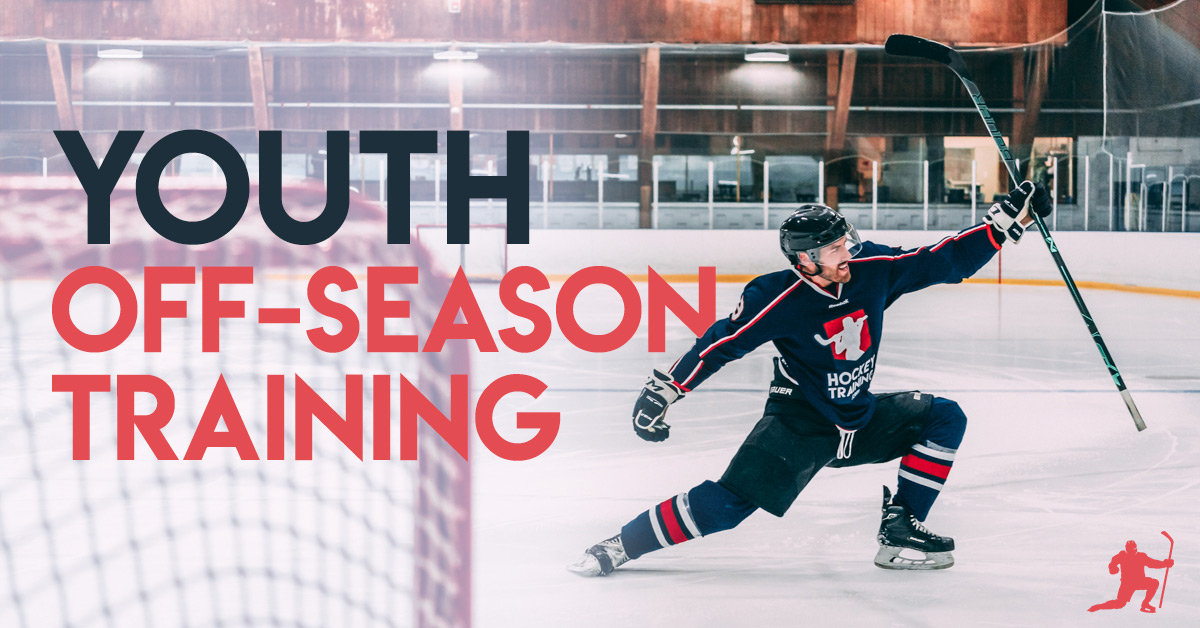
When the final whistle blows and the ice rinks begin to empty for the off-season, many hockey players face the challenge of maintaining their competitive edge. Skating less often doesn’t mean losing your skills or fitness. In fact, the off-season is a critical time to build strength, agility, and endurance—qualities that can define your next season’s success. This is where off-ice hockey training programs come into play, helping players stay game-ready, improve performance, and prevent injury.
The Importance of Off-Ice Hockey Training
Off-ice training bridges the gap between seasons. It focuses on physical conditioning, skill refinement, and mental preparation, providing athletes with an opportunity to improve without the demands of a rigorous game schedule. Instead of allowing the body and mind to slip into a state of detraining, players can use structured programs to target their weaknesses and transform them into strengths.
Key benefits include:
- Enhanced Strength and Power: Off-ice training allows for focused strength-building exercises, particularly in the core, legs, and upper body, areas crucial for skating speed and puck control.
- Improved Cardiovascular Endurance: By incorporating activities like running, cycling, and HIIT, players maintain and even enhance their on-ice stamina.
- Injury Prevention: Strengthening stabilizing muscles and working on flexibility helps prevent common hockey injuries.
- Skill Maintenance: Stickhandling, shooting, and reaction drills can all be adapted for off-ice practice.
- Mental Toughness: Off-ice training challenges players to stay disciplined, motivated, and goal-oriented, which directly translates to better performance during the season.
Components of Effective Off-Ice Hockey Training Programs
A well-rounded off-ice hockey training program typically includes five core components:
1. Strength Training
Strength training is essential for developing the power needed for explosive skating, hard shots, and robust physical play. A good program will focus on compound lifts like squats, deadlifts, and presses, paired with hockey-specific movements like lunges, single-leg exercises, and core stabilization work.
Sample Strength Exercises:
- Barbell Squats
- Deadlifts
- Bulgarian Split Squats
- Plank Variations
- Medicine Ball Rotational Throws
Focusing on proper technique and progressively overloading your muscles ensures continual growth and better on-ice performance.
2. Speed and Agility Work
Quick footwork and lateral movement are vital for any hockey player. Agility ladders, cone drills, and resistance sprints simulate on-ice movements and enhance reaction times.
Popular Drills:
- Ladder Drills
- 5-10-5 Shuttle Runs
- Cone Weave Drills
- Bungee-Resisted Sprints
Speed and agility sessions should be high intensity and relatively short, ensuring that you maintain quality movements throughout.
3. Endurance Training
Aerobic and anaerobic conditioning should not be neglected during the off-season. Longer, steady-state cardio builds aerobic capacity, while short, intense intervals boost anaerobic power.
Effective Activities:
- Long-Distance Running or Biking
- High-Intensity Interval Training (HIIT)
- Battle Rope Intervals
- Stair Climbing
For hockey players, combining both aerobic and anaerobic training mimics the stop-and-go nature of the sport, enhancing both in-game recovery and explosive effort.
4. Flexibility and Mobility
Hockey demands an impressive range of motion, particularly in the hips, ankles, and shoulders. Regular stretching and mobility work ensure players stay limber and reduce injury risks.
Routine Ideas:
- Dynamic Stretching Before Workouts
- Static Stretching After Workouts
- Yoga for Athletes
- Foam Rolling and Myofascial Release
Prioritizing flexibility will not only improve your overall performance but also help maintain body balance and posture, both on and off the ice.
5. Skill Work
With the right tools, handling the puck, practicing shooting techniques, and refining reaction times can all be done off the ice.
Off-Ice Skill Tools:
- Stickhandling Balls or Pucks
- Shooting Pads and Nets
- Reaction Training Lights
- Mini-Obstacle Courses
Skill work ensures your hands stay sharp and your shot stays accurate. It also helps you stay mentally engaged with the game during the off-season.
Designing Your Off-Ice Hockey Training Program
Personalization is key to designing a successful off-ice training regimen. Factors to consider include age, current fitness level, position, and specific goals for the next season.
Sample Weekly Schedule
Monday: Strength Training + Mobility Work
- Focus on lower body strength exercises (squats, lunges)
- Dynamic stretching
Tuesday: Speed and Agility Drills + Endurance (Short HIIT Session)
- Ladder drills and shuttle runs
- 20-minute HIIT cardio
Wednesday: Off-Ice Stickhandling + Core Workout
- Stickhandling drills
- Planks, Russian twists, stability ball exercises
Thursday: Strength Training + Flexibility Routine
- Upper body and core strength
- Yoga session
Friday: Agility Circuit + Long Distance Cardio
- Cone drills
- 5K run or long bike ride
Saturday: Shooting Drills + Full-Body Mobility Work
- Shooting accuracy and power drills
- Full-body stretching
Sunday: Rest or Light Recovery (Yoga, Stretching)
- Active recovery to recharge the body
Equipment Recommendations for Off-Ice Training
You don’t need a fully equipped gym to run a successful off-ice hockey training program. Some key items that can significantly boost your sessions include:
- Resistance Bands
- Dumbbells or Kettlebells
- Agility Ladder and Cones
- Foam Roller
- Stickhandling Trainer
- Shooting Pad and Net
- Stability Ball
- Plyometric Box
Using these simple tools, you can create a comprehensive and effective training environment right in your garage, backyard, or park.
Tips for Staying Motivated
Maintaining motivation throughout the off-season can be challenging, especially when you’re training alone. Here are some strategies to stay driven:
- Set Clear Goals: Define what you want to achieve by the end of the off-season.
- Track Progress: Keep a training journal or use an app to record your workouts and improvements.
- Train With a Buddy: Find a teammate or friend to train with, making sessions more enjoyable and competitive.
- Vary Your Workouts: Incorporate new drills and exercises to keep things exciting.
- Visualize Success: Spend time each day visualizing your performance in the next season.
- Join Off-Ice Camps or Clinics: These structured programs often provide new challenges and professional feedback.
Final Thoughts
Incorporating structured off-ice hockey training programs into your off-season routine is not just recommended—it’s essential for any player serious about elevating their game. By working on strength, speed, endurance, flexibility, and skills away from the rink, you’ll return to the ice sharper, faster, and more prepared to dominate.
Remember, the work you put in now lays the foundation for your future success. Commit to an effective off-ice training program, stay disciplined, and embrace the grind. The off-season is not a break—it’s an opportunity to set yourself apart from the competition. Stay game-ready and make your next season your best one yet!