



Introduction
Acne scars are a common concern affecting people of all ages. While acne itself can fade over time, the marks it leaves behind often persist for years, affecting self-confidence and overall skin appearance. These scars range from shallow discoloration to deep-textured indentations, making treatment a complex challenge. Traditional approaches such as chemical peels, microdermabrasion, or laser therapy have varying levels of success, often with extended recovery periods.
In recent years, Pico laser technology has emerged as an advanced solution for managing acne scars. Its ultra-short picosecond pulses target the skin at a microscopic level, encouraging natural healing while minimizing damage to surrounding tissue. This precision allows clinicians to address multiple scar types effectively while promoting collagen remodeling. As a result, patients experience gradual improvement in skin texture, tone, and overall smoothness.
Clinics providing these treatments, including Ministry of Health-accredited aesthetic centers, emphasize patient safety and personalized planning. Detailed assessments of skin type, scar severity, and medical history inform each treatment plan, ensuring optimal results with minimal risks. Patients seeking non-invasive, scientifically grounded solutions often find Pico laser an appealing option for addressing persistent acne scars.
Ultimately, Pico laser represents a convergence of technology and dermatology. By combining precision, safety, and efficacy, it provides a modern approach to scar management. Individuals seeking improved skin appearance can expect results that are natural-looking, gradual, and sustainable, making Pico laser a valuable tool in contemporary aesthetic care.
Types of Acne Scars
Acne scars can vary significantly in appearance and depth, which is why proper identification is essential before beginning any treatment. Different scar patterns develop based on the severity of inflammation and how the skin heals after breakouts. Some scars affect deeper layers of the dermis, while others primarily impact surface texture or pigmentation. Because no two cases are identical, treatment planning must be tailored to the specific scar type. Understanding these variations helps set realistic expectations and supports more effective outcomes.
- Ice Pick Scars: Ice pick scars appear as narrow, deep indentations that resemble tiny puncture marks. They typically develop after severe or cystic acne damages the deeper layers of skin. Their depth makes them more challenging to treat and often requires targeted or combination approaches.
- Boxcar Scars: Boxcar scars present as broad, rectangular depressions with clearly defined edges. They result from collagen loss during the healing phase of inflammatory acne. These scars create visible unevenness and may respond to resurfacing or collagen stimulating treatments.
- Rolling Scars: Rolling scars are wide, shallow depressions that produce a wave like or undulating texture. They often form when fibrous bands tether the skin to underlying tissue. Treatments that release these attachments and stimulate collagen can help smooth the surface.
- Post Inflammatory Hyperpigmentation: Hyperpigmentation is not a true textural scar but frequently accompanies acne healing. It appears as darkened patches that remain after inflammation subsides, especially in darker skin tones. Addressing discoloration alongside structural scars often leads to more comprehensive improvement.
In conclusion, acne scars are diverse in both structure and appearance. Proper classification allows clinicians to select the most appropriate and effective treatment strategies. Some scars may require combination therapies to address both depth and pigmentation concerns. Personalized evaluation ensures that interventions are aligned with individual skin characteristics. With accurate diagnosis and thoughtful planning, meaningful improvements in texture and tone can be achieved.
Limitations of Traditional Treatments
Traditional acne scar treatments have provided solutions for many years, yet they are not without challenges. While some individuals achieve improvement, others find that results are limited or accompanied by extended recovery. Different methods vary in depth and intensity, but not all are suitable for every scar type. Side effects, downtime, and inconsistent outcomes can influence overall satisfaction. Understanding these limitations helps explain the growing interest in more refined alternatives.
- Chemical Peels and Surface Limitations: Chemical peels remove outer layers of skin to stimulate regeneration and improve texture. They are generally more effective for superficial scars than deep or fibrotic ones. Redness, peeling, and temporary sensitivity to sunlight often require careful aftercare and recovery time.
- Invasiveness of Dermabrasion: Dermabrasion physically resurfaces the skin by removing damaged layers. Although it can smooth certain scars, the procedure is relatively invasive and involves notable downtime. Swelling, redness, and discomfort may persist for days or even weeks during healing.
- Heat Based Fractional Lasers: Fractional lasers stimulate collagen by creating controlled thermal injury within the skin. Because they rely on heat, surrounding tissue can be affected if energy levels are not carefully managed. Some patients, particularly those with darker skin tones, may experience pigmentation changes or prolonged redness.
- Need for Multiple Sessions and Variable Results: Many traditional treatments require repeated appointments to achieve noticeable improvement. Even after several sessions, deeper scars may remain partially visible. The cumulative cost and recovery periods can be discouraging for some individuals.
In conclusion, conventional acne scar treatments have played an important role in dermatology but present certain drawbacks. Surface focused methods may not adequately address deeper structural damage. More invasive procedures often involve extended healing and temporary discomfort. Heat based technologies carry potential risks if not precisely controlled. These limitations have encouraged the exploration of newer approaches that aim to balance effectiveness with reduced downtime and improved safety.
Mechanism of Pico Laser on Acne Scars
The Pico laser works by delivering ultrashort picosecond pulses to the skin, creating controlled micro-injuries that stimulate the body’s natural healing processes. Unlike traditional lasers, it relies on photomechanical effects rather than heat, reducing the risk of surrounding tissue damage. These rapid pulses break down dense scar tissue and trigger fibroblast activation, which encourages new collagen and elastin production. Over time, this remodeling smooths out pitted or uneven areas, gradually improving the overall texture of the skin.
Collagen remodeling is central to the Pico laser’s effectiveness. Fibroblasts respond to the laser-induced microtrauma by synthesizing new structural proteins that strengthen the skin. This process fills in depressions associated with ice pick, boxcar, and rolling scars. Unlike invasive methods, Pico laser achieves these results without causing significant downtime, making it an appealing option for individuals seeking gradual, natural improvements.
The targeted impact also addresses pigmentation issues often accompanying acne scars. Concentrated melanin deposits are broken down into smaller fragments that the body can naturally eliminate. This dual action of structural remodeling and pigment clearance ensures a more uniform and healthier-looking complexion.
Professional administration is critical for maximizing results. Clinicians assess the type, depth, and severity of scars to determine the optimal energy settings and session intervals. The precision and biological stimulation provided by Pico laser make it one of the most effective non-invasive treatments for persistent acne scars available today.
Treatment Planning and Customization
Effective acne scar treatment with Pico laser begins with thorough planning and customization for each patient. Every individual’s skin is unique, with variations in scar type, depth, and overall skin tone. Clinicians conduct detailed assessments to determine which areas require focused attention and what settings will achieve the best results. This approach ensures that the treatment plan is both safe and highly effective.
Session frequency is an important factor in planning. Most patients require multiple sessions spaced several weeks apart to achieve optimal results. The timing allows the skin to respond to initial collagen stimulation and gradually remodel the scarred areas. Adjustments to session intervals may be made based on patient response and tolerance, ensuring that the plan is tailored to individual healing patterns.
Intensity and laser settings are also customized. Factors such as pulse energy, spot size, and wavelength are selected based on the type and severity of scars. Deep ice pick or boxcar scars may require higher energy levels in targeted areas, whereas rolling scars might be treated with broader, gentler pulses. This precision minimizes the risk of side effects and maximizes the effectiveness of each session.
Personalization extends to treatment goals as well. Patients may prioritize smoothing texture, evening skin tone, or addressing pigmentation alongside structural improvements. Clinicians collaborate with each patient to set realistic expectations and identify measurable outcomes. By combining careful assessment, tailored laser settings, and structured session planning, Pico laser treatments provide individualized solutions that promote both visible improvement and long-term skin health.
Patient Preparation Guidelines
Proper preparation plays an essential role in achieving safe and effective results from picosecond laser treatments. While the procedure itself is precise and controlled, the condition of the skin beforehand can influence both comfort and outcome. Thoughtful pre treatment care helps strengthen the skin barrier and reduce the likelihood of irritation. Patients who follow professional guidance often experience smoother recovery and more predictable improvements. A well planned approach ensures that treatment begins under optimal conditions.
- Maintain a Gentle Skin Care Routine: Patients are typically encouraged to use mild cleansers and hydrating moisturizers in the weeks leading up to treatment. Avoiding harsh exfoliants, retinoids, or abrasive products helps preserve the integrity of the skin barrier. Balanced skin is better equipped to respond positively to laser energy.
- Limit Sun Exposure: Minimizing direct sunlight before treatment reduces the risk of post inflammatory pigmentation changes. Tanned or sunburned skin may react unpredictably to laser energy. Daily use of broad spectrum sunscreen and protective clothing supports consistent treatment conditions.
- Support Healthy Lifestyle Habits: Smoking and excessive alcohol consumption can impair circulation and slow collagen production. Reducing these habits may enhance healing and improve overall skin response. Proper hydration and a nutrient rich diet contribute to stronger recovery and long term results.
- Disclose Medications and Medical History: Certain medications or topical treatments can increase photosensitivity or affect healing. Sharing complete medical information during consultation allows clinicians to adjust settings or timing appropriately. Transparent communication enhances both safety and effectiveness.
In conclusion, preparation extends beyond the treatment room and begins well in advance of the session. Simple adjustments in skin care and daily habits can significantly influence results. Protecting the skin from excessive sun exposure remains one of the most important steps. Honest discussion of medical history ensures responsible planning. By committing to proper preparation, patients create the foundation for safer procedures and more satisfying outcomes.
What to Expect During the Procedure
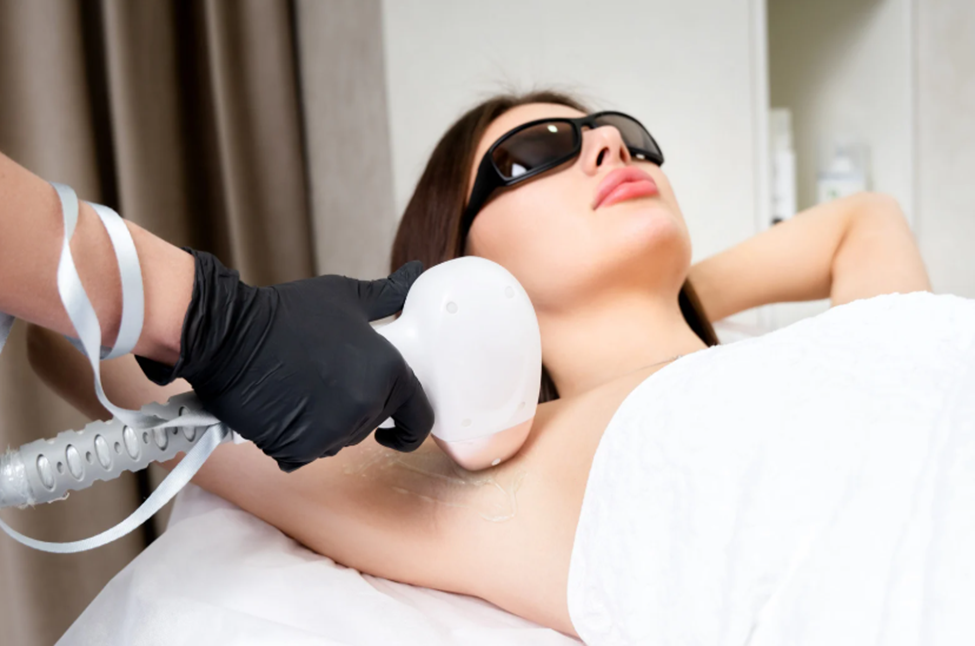
During a Pico laser session for acne scars, patients can expect a precise, non-invasive treatment experience. Prior to starting, clinicians cleanse the skin and may apply a topical numbing agent to minimize discomfort. Protective eyewear is provided to shield the eyes from laser exposure, and the treatment area is carefully mapped for targeted application. Each session is tailored to the patient’s scar types, depth, and skin sensitivity, ensuring an individualized approach.
The sensation experienced during treatment is often described as a mild tingling or snapping feeling on the skin. Unlike older laser technologies that rely heavily on heat, Pico laser delivers ultrashort pulses in picoseconds, reducing thermal discomfort. The rapid pulses create controlled microtrauma beneath the skin surface, stimulating collagen production while leaving surrounding tissue largely unaffected. Most patients tolerate the procedure well, with only minimal discomfort requiring simple cooling or topical relief.
Treatment duration varies depending on the size and number of areas being addressed. Smaller areas may take only ten to fifteen minutes, whereas larger or multiple regions can take thirty minutes or more. Clinicians ensure that every section of the skin receives precise coverage, maintaining consistent spacing and energy levels to optimize outcomes. This meticulous approach allows the laser to target scars effectively while minimizing the risk of side effects.
Professional oversight during the procedure is essential for safety and efficacy. Clinicians continuously monitor skin response and adjust settings if necessary to balance comfort and results. Patients can typically resume most daily activities immediately, though temporary redness or mild swelling may occur. Overall, the experience is efficient, controlled, and designed to deliver gradual improvements with minimal disruption to daily life.
Post-Treatment Care and Healing
Post-treatment care plays a vital role in achieving optimal results from Pico laser acne scar therapy. After each session, the skin may appear slightly red or feel warm, similar to a mild sunburn. These reactions are temporary and usually subside within a few hours to a couple of days. Patients are advised to follow specific guidelines to protect the skin during the initial healing phase.
Gentle cleansing and moisturization are recommended to maintain the skin’s barrier and prevent irritation. Harsh scrubs or exfoliants should be avoided, as they can interfere with healing and potentially cause further pigmentation changes. Clinicians often suggest using fragrance-free, hydrating products that support recovery without adding stress to the treated areas.
Sun protection is essential following treatment. The skin is more sensitive to ultraviolet exposure, which can lead to hyperpigmentation or delayed healing. Broad-spectrum sunscreens, protective clothing, and avoidance of direct sunlight help minimize these risks. This careful management of sun exposure is a critical part of post-treatment care and contributes significantly to successful outcomes.
Patients should also be mindful of lifestyle factors during recovery. Adequate hydration, balanced nutrition, and avoiding smoking or excessive alcohol consumption support the skin’s natural repair processes. Following these guidelines ensures that collagen remodeling progresses efficiently, gradually improving the appearance of acne scars. With proper care, patients can expect noticeable, lasting results while minimizing potential complications.
Results Over Time
The effects of Pico laser treatment on acne scars are gradual and cumulative. Most patients notice subtle improvements in skin texture and tone after the first session. Collagen remodeling continues for several weeks, resulting in smoother, firmer skin over time. This gradual process ensures that changes appear natural rather than abrupt, preserving a harmonious skin appearance.
Multiple sessions are often recommended to achieve optimal results, depending on the severity and type of scars. Ice pick and deep boxcar scars may require more treatments than shallow or rolling scars. Clinicians schedule sessions at intervals of four to six weeks, allowing the skin to respond and recover between treatments. This spacing maximizes the benefits of collagen stimulation while minimizing potential irritation.
In addition to texture improvements, pigmentation associated with acne scars gradually fades. The laser breaks down melanin clusters, which are then removed naturally by the body. Over successive sessions, uneven skin tone becomes more uniform, enhancing the overall aesthetic effect. Patients often report a noticeable increase in confidence as their skin appears clearer and healthier.
Long-term maintenance is possible with proper care and occasional touch-ups. Factors such as sun exposure, lifestyle, and skin health can influence the durability of results. Patients who follow professional guidance for skin protection and care often enjoy lasting improvements in both scar appearance and overall skin quality.
Safety and Risk Management
While Pico laser is considered safe for most patients, proper precautions are essential to minimize potential risks. Temporary redness, swelling, or mild irritation may occur immediately following treatment but typically resolves within hours to a few days. These effects are expected and indicate that the laser is stimulating the skin’s natural repair processes.
Clinicians screen patients carefully before treatment to identify factors that may increase risk. Skin type, medical history, and any medications that affect photosensitivity are considered when determining energy settings and session frequency. Adjusting these parameters ensures that treatment is both safe and effective.
Rare complications, such as temporary hyperpigmentation or minor blistering, can occur but are typically avoidable with professional administration. Accredited clinics, including Ministry of Health-approved centers, follow strict protocols to monitor patient response and provide immediate guidance if issues arise. Patient education on pre- and post-treatment care also reduces the likelihood of complications.
By combining professional oversight with patient compliance, Pico laser treatment achieves predictable results while minimizing risks. Structured follow-ups allow clinicians to monitor progress and make adjustments as needed. With these measures in place, patients can safely benefit from a highly effective, non-invasive solution for acne scars.
Expert Tips for Maintaining Results
Maintaining the benefits of picosecond laser treatment requires consistent care long after the final session. While the procedure stimulates pigment clearance and collagen renewal, daily habits play a crucial role in preserving those improvements. Without proper maintenance, environmental exposure and lifestyle factors can gradually diminish results. A thoughtful skincare routine combined with healthy choices supports lasting skin clarity and firmness. Ongoing attention ensures that the investment in treatment continues to show visible rewards.
- Commit to Daily Sun Protection: Ultraviolet exposure can trigger new pigmentation and weaken collagen over time. Applying a broad spectrum sunscreen every day helps safeguard treated areas from discoloration. Protective clothing and limiting prolonged sun exposure further reduce the risk of reversing improvements.
- Adopt a Gentle and Supportive Skincare Routine: Using hydrating, fragrance free cleansers and moisturizers helps maintain a strong skin barrier. Harsh scrubs or aggressive exfoliation can irritate newly remodeled skin and compromise smoothness. Consistency with mild products encourages stability and long term refinement.
- Support Skin Health Through Lifestyle Choices: Adequate hydration and a diet rich in antioxidants contribute to collagen production and cellular repair. Avoiding smoking and limiting alcohol intake protect circulation and overall skin vitality. Regular physical activity enhances blood flow, which supports nutrient delivery to skin cells.
- Schedule Periodic Professional Reviews: Follow up appointments allow clinicians to evaluate progress and recommend adjustments if needed. Occasional maintenance sessions may help sustain clarity and texture improvements. Expert oversight ensures that skincare strategies remain aligned with evolving skin needs.
In conclusion, maintaining results is a shared responsibility between professional care and daily commitment. Sun protection remains one of the most important habits for preserving even tone. Gentle skincare safeguards the structural improvements achieved during treatment. Healthy living supports the biological processes that keep skin resilient. With consistent attention and expert guidance, the benefits of picosecond laser treatment can be enjoyed for years to come.
Conclusion
Pico laser represents a significant advancement in acne scar management, providing a safe and effective solution for various scar types. Its ultrashort picosecond pulses stimulate collagen remodeling, improve pigmentation, and gradually smooth the skin without invasive procedures. Patients benefit from natural-looking improvements with minimal downtime and disruption to daily life.
Professional assessment and customized treatment planning are essential for achieving optimal outcomes. Accredited clinics, including those approved by the Ministry of Health, provide structured guidance on session frequency, laser intensity, and post-treatment care. This individualized approach maximizes results while minimizing risks and side effects.
The gradual improvement over multiple sessions allows changes to appear authentic, boosting patient confidence as scars diminish. Combined with proper skincare, sun protection, and healthy lifestyle habits, Pico laser delivers lasting enhancements to both skin texture and tone.
In summary, Pico laser offers a modern, precise, and reliable solution for acne scars. Patients seeking smoother, more even skin are encouraged to consult trained professionals to determine the best course of treatment. With expert guidance and adherence to recommended protocols, Pico laser treatments provide long-term benefits that restore both appearance and confidence.