



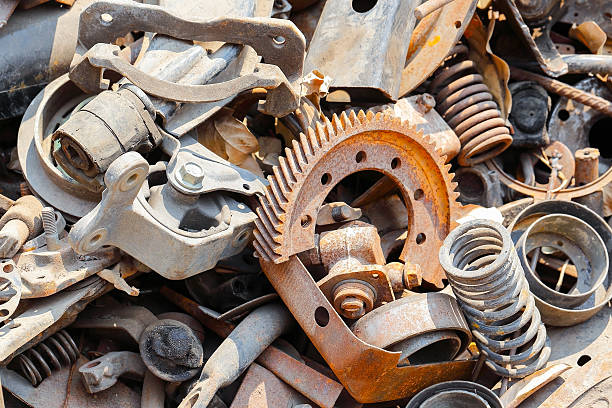
The scrap metal industry operates in a rapidly changing market environment thus accurate price trend knowledge creates opportunities for enhanced revenue. Knowledge of the components that shape scrap metal prices enables both beginning and experienced sellers to optimize their financial gains from their materials. This guide contains all essential information required for scrap metal sellers.
Why Tracking Scrap Metal Prices Matters
Knowing how scrap metal prices shift matters because it will affect your earning potential
The values of scrap metal fluctuate often because marketplace forces including consumer need and market conduct as well as industrial expenses as well as economic cooperation decisions. Knowing these trends can:
- Maximize Your Earnings: Profits improve when you sell your materials at periods of elevated pricing.
- Avoid Common Pitfalls: Learn to identify low-price periods.
- Plan Strategically: Profits reach their maximum level when you time your sales correctly and sustain enduring partnerships with buyers.
Why Tracking Scrap Metal Prices Matters
Scrap metal prices can change frequently, driven by various factors like demand, energy costs, and global trade policies. Knowing these trends can:
- Maximize Your Earnings: Sell your materials when prices are high.
- Avoid Common Pitfalls: Learn to identify low-price periods.
- Plan Strategically: Time your sales for optimal profits and build lasting relationships with buyers.
Key Factors Influencing Scrap Metal Prices
Understanding the market drivers behind scrap metal price can give you a competitive edge. Here are the most significant factors:
1. Global Market Demand and Supply:
- Industrial activity, especially in construction and manufacturing, heavily impacts demand.
- Shortages of raw materials can increase prices.
2. Economic Trends:
- A strong economy boosts demand, while downturns can reduce prices.
3. Energy Costs:
- Energy prices affect the cost of recycling and extraction, influencing the final market value of metals.
4. Seasonal Trends:
- For example, scrap metal demand often peaks in spring and summer when construction projects increase.
5. Government Policies:
- Tariffs, export restrictions, and recycling incentives shape pricing and market behavior.
6. Metal-Specific Variables:
- Prices for copper, aluminum, steel, and other metals are influenced by their unique industries and applications.
How to Stay Updated on Scrap Metal Prices
Always Find Adaptable Ways to Stay Updated About Specific Scrap Metal Pricing
Staying informed about multiple influencing factors must be your priority. Here are practical ways to track price trends:
• Monitor Commodity Markets:
- Platforms like the London Metal Exchange (LME) and other commodity markets provide real-time updates.
• Use Online Tools:
- Apps and websites specializing in scrap metal pricing offer localized data.
• Leverage Historical Data:
- Study past trends to predict future movements.
• Build Relationships with Local Dealers:
- Stay connected to recycling centers and scrapyards for firsthand market insights.
Common Scrap Metals and Pricing Trends
Material type has a direct effect on what scrap metal price the marketplace. Here’s a quick breakdown:
1. High-Value Metals:
- Copper: With its elevated resale potential copper serves multiple applications especially within electrical wiring systems and plumbing infrastructure.
- Aluminum: Benefitting from its light weight and high value status aluminum finds broad applications in construction and packaging industries.
- Brass: Brass stands as a combined metal product of zinc alongside copper and maintains dual advantages through its rugged nature together with multiple utility characteristics.
2. Ferrous vs. Non-Ferrous Metals:
- Ferrous Metals: Iron makes up these metals which tend to maintain lower prices even though they are more prevalent.
- Non-Ferrous Metals: Corrosion and flood resistance make these materials more expensive than standard metals.
3. Emerged as valuable recycling materials.ential.
Here are practical ways to track price trends:
- Monitor Commodity Markets:
• Platforms like the London Metal Exchange (LME) and other commodity markets provide real-time updates.
- Use Online Tools:
• Apps and websites specializing in scrap metal pricing offer localized data.
- Leverage Historical Data:
• Study past trends to predict future movements.
- Build Relationships with Local Dealers:
• Stay connected to recycling centers and scrapyards for firsthand market insights.
Common Scrap Metals and Pricing Trends
The value of scrap metal depends on the type of material you’re selling. Here’s a quick breakdown:
1. High-Value Metals:
- Copper: Known for its high resale value, copper is widely used in electrical wiring and plumbing.
- Aluminum: Lightweight but valuable, aluminum is popular in construction and packaging.
- Brass: A mix of copper and zinc, brass is sought after for its durability and versatility.
2. Ferrous vs. Non-Ferrous Metals:
- Ferrous Metals: Contain iron and are often cheaper but more abundant.
- Non-Ferrous Metals: Pricier due to their resistance to rust and corrosion.
3. Emerging Materials:
- Rare earth metals, increasingly used in technology, are gaining value in the recycling market.
Best Practices for Selling Scrap Metal
Once market highs reach their peak you should wait to sell because downturns reduce your profits.When you purchase metal in bulk quantities most suppliers will offer their prices based on unit size.s with these simple yet effective strategies:
• Time Your Sale:
- Keep an eye on market highs and avoid selling during downturns.
• Sort and Separate Metals:
- Clean, organized materials fetch better prices. Separate ferrous from non-ferrous metals.
• Build Trusted Relationships:
- Work with reputable recyclers who offer fair rates.
• Sell in Bulk:
- Larger quantities often result in higher per-unit pricing.
- Challenges and Opportunities in Scrap Metal Recycling
• Challenges:
- Market Volatility: Fast market price fluctuations emerge from worldwide economic conditions.
- Regulatory Hurdles: Policies related to waste management and recycling have the potential to create obstacles while selling materials.
• Opportunities:
- • Circular Economy Growth: The growing ecosystem-friendly approach strengthens market options for recycling.
- Technological Advancements: New metal extraction advancements deliver superior metal recycling efficiency.
Conclusion
The knowledge of metal scrap price movements dramatically affects your potential revenue from material sales. Staying informed alongside thorough resource use and maximum implementation of best practices allows you to reach maximum profit potential and establish a more sustainable world.