



If your customers are asking for SOC 2, you may have already come across the terms Type I and Type II. But what do they mean, and which one should you pursue?
Understanding SOC 2 Type I
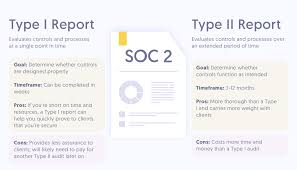
A SOC 2 Type I report evaluates whether your company’s security controls are designed properly at a single point in time. It answers the question: Do you have the right policies and controls in place?
This makes Type I faster and less expensive to achieve. Companies often pursue Type I when:
- They’re new to SOC 2 compliance.
- They want to demonstrate progress quickly.
- Customers need immediate assurance.
However, Type I doesn’t prove whether those controls actually work in practice over time.
Understanding SOC 2 Type II
A SOC 2 Type II report goes deeper. Instead of a snapshot, it evaluates how well your controls operate over a review period (typically 3–12 months). It answers the question: Are your controls working consistently?
Type II is considered the gold standard because it provides stronger assurance for customers and partners.
Key Differences Between Type I and Type II
- Timing: Type I = one point in time, Type II = continuous over months.
- Depth: Type II requires more evidence and testing.
- Value: Type II offers stronger assurance, often required by enterprise customers.
Which One Should You Choose?
If you need compliance quickly, a Type I report may be a good starting point. But if you want to win bigger contracts and show true commitment to security, a Type II report is the better investment.
In fact, many companies skip Type I altogether and go straight to Type II with a shorter 3-month review period.
Final Takeaway: If you’re serious about customer trust and long-term growth, SOC 2 Type II is the stronger choice.