



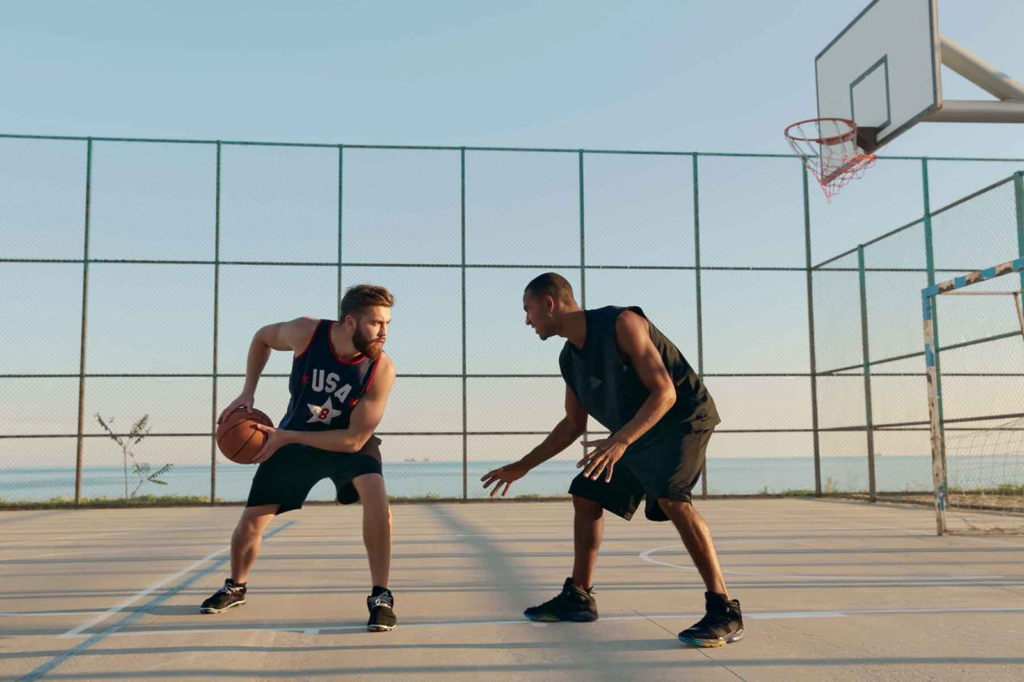
A basketball jersey hangs between a heavyweight hoodie and a camp shirt on a curated rack. No sports section. No team branding visible. The price tag reads $78. A shopper pulls it without asking about wicking or what league it was made for. They want to know if it comes in olive. The shop owner told me this happens three or four times a week now — more often than the hoodies move.
Scenes like this play out daily in streetwear boutiques and curated retail spaces. None of these stores would carry standard athletic wear. Yet the basketball jersey has earned placement there. Retailers who see this shift are building product lines around it. They’re moving serious volume outside of sport entirely.
The Cultural Crossover Already Happened
Basketball jerseys entered streetwear decades ago through athletes and musicians wearing them as personal style. Hip-hop adopted the shape early. Japanese street fashion pulled jerseys into layered fits alongside trench coats and wide-leg pants. The cultural groundwork was laid long before any retailer turned it into a formal sales strategy.
What changed recently is the business side. Five years ago, selling jerseys as fashion meant reusing existing team gear. Today, brands build custom cuts and colorways for lifestyle retail from scratch. The jersey isn’t borrowed from sport anymore. It starts on the street now.
And the margins reflect it. A repurposed team jersey carries licensing limits, fixed sizing, and someone else’s identity. Build it custom and you own the creative direction, the margin, and the full customer relationship. The economics shift completely when you own the product instead of reselling another brand’s.
How Retailers Are Positioning the Product
The stores winning here don’t place jerseys near running shoes and athletic shorts. They set them in lifestyle contexts that reframe the product before anyone touches it.
One shop hangs a jersey between outerwear pieces on a wall display. Another styles it on a mannequin with tailored trousers and leather loafers. Lookbooks show them next to linen shirts and gold chains. The visual framing tells the buyer: this fits your daily rotation, not just game day.
Tactics working right now:
- Filing jerseys under “tops” instead of “activewear” in site navigation — this alone changes who clicks
- Shooting content that styles them with non-sport garments like trousers, boots, layered knits
- Pricing near premium tees and knit polos, not below athletic options
- Dropping them in capsules alongside lifestyle items that share the same palette
- Writing product copy in wardrobe language — “pairs with” instead of “moisture-wicking”
Stores still filing jerseys under sportswear see less engagement from fashion buyers. Where you place the product on your site changes who finds it. Full stop.
Why the Drop Model Works for Jersey Releases
Scarcity drives streetwear. It transfers perfectly to custom basketball jerseys. Limited colorways, numbered runs, and seasonal windows create buying urgency that open-stock never matches.
A brand releasing three colors in runs of fifty builds completely different energy than one sitting on hundreds of units year-round. The limited run communicates: this won’t exist next month. And for hesitant buyers, a deadline pushes harder toward checkout than any discount code.
Retailers using drop mechanics report higher sell-through at full price. Markdowns decrease because supply stays behind demand. Buyers learn that waiting means missing out. Over time they show up trained — ready to purchase the moment new product goes live. You don’t have to convince them anymore. You just have to announce.
Spacing matters though. Drops too close together cause fatigue. Too far apart and buzz fades. Most brands land somewhere in the four-to-six-week range. Enough frequency to hold attention. Not so much it burns anyone out.
Styling as a Sales Driver
How you show the jersey in content determines who buys it and what they spend. A flat-lay on white background communicates sport utility. Shoot that same jersey against brick and concrete, on a body with intentional accessories, and the buyer sees culture instead. Same product. Completely different purchase motivation.
Retailers with the highest average order values invest in styled shoots. The jersey sits within a full outfit — not alone on a hanger. Placed inside a complete look that gives the buyer permission to wear it their way.
A long-sleeve tee underneath works for cooler months. Adds depth. Makes the jersey feel layered and intentional for fall. Some brands push the high-low angle further — blazer on top, pleated trousers below, chunky sneakers tying it to Tokyo street proportions. Each pairing expands how many times the buyer can picture themselves wearing it.
Short-form video beats static images for this kind of content. A fifteen-second clip with three outfit swaps shows range fast. The buyer starts thinking about cost-per-wear across multiple settings. One jersey, five outfits, suddenly $78 feels reasonable. Static product shots can’t do that math for them.
Pricing Custom Jerseys for the Fashion Market
Athletic jerseys carry price anchors in buyers’ heads. Most consumers expect $30 to $50 for a standard team jersey from a chain store. Breaking past that ceiling requires clear signals that this product lives in a different world.
Custom details justify the jump. Heavier fabric, woven labels, refined finishing — each adds perceived value that mass-market jerseys lack. A 200 GSM piece with embroidered branding and a garment-washed hand communicates craft. Buyers feel the difference the moment they pick it up. At $65 to $95 retail, they don’t push back if the hand and details match the tag.
Packaging plays a role too. A jersey in tissue inside a branded box tells a different story than one stuffed in a poly mailer. The unboxing extends the experience past the purchase itself. And buyers sharing haul videos on social turn that moment into free reach for your brand — reach you didn’t pay for.
Elements that support higher price points:
- Custom woven neck labels and printed interior tags — small details that signal intentionality
- Garment-washed finishes that feel broken-in from the first wear
- Heavier fabrics (190-220 GSM range) that drape with weight instead of floating off the body
- Branded packaging that makes the delivery feel like an event
- Limited supply that kills the buyer’s ability to price-compare elsewhere
Charging fashion prices means delivering fashion-level details. The buyer at $80 expects different finishing than the one at $35. Every touch point — from the stitching to the bag it arrives in — needs to match what they paid.
Building a Jersey Program That Scales
Start with one strong silhouette and three colorways. Enough range to test demand without heavy capital risk. Once the first drop confirms interest, expand into new palettes or artist collabs that build on what already proved out.
Brands with lasting jersey programs treat each release as data. Which colors moved first? Which sizes went fastest? What content drove actual purchases versus just traffic? Those answers inform the next drop with more precision than any mood board built in isolation.
For production, working with a factory that understands fashion intent — not just athletic construction — changes the outcome entirely. Effective Sportswear builds custom basketball jersey fashion for brands in this crossover space. Patterning, sublimation, and branded packaging happen under one roof. Product shows up retail-ready without juggling multiple vendors or explaining the same brief three different ways.
The basketball jersey as a fashion piece isn’t a trend anymore. It’s settled into permanence. Sport culture now threads through daily dress whether or not someone plays. Retailers building around that reality hold positions that grow as more buyers fold jerseys into their regular wardrobe — no game day required.