



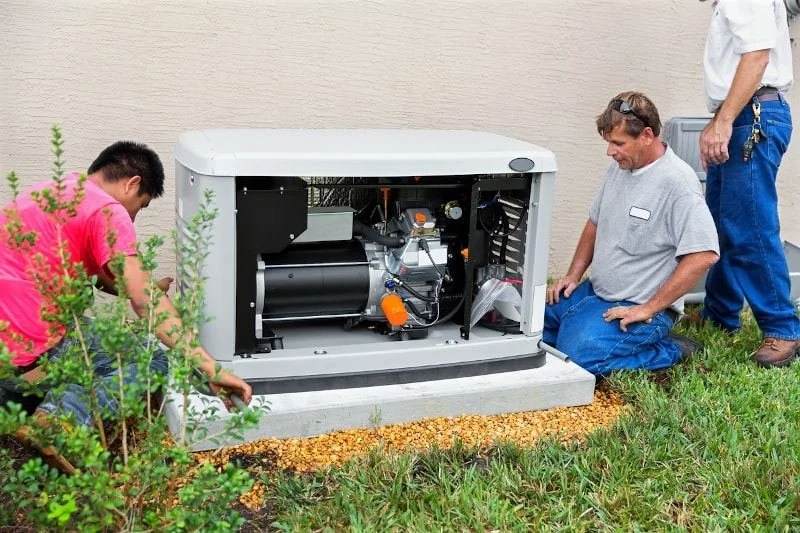
The unpredictable nature of weather events in recent years has increased the demand for backup generators in households and businesses alike. People recognize the need for reliable energy sources when the grid fails, from severe storms and heat waves to wildfires and power outages. The heightened frequency and intensity of these weather events have forced many to reevaluate their preparedness and ensure they can continue their daily activities without interruption. We will explore how these weather-related challenges have driven the surge in backup generator demand from Electric generator shop and the factors influencing this trend.
As the frequency of severe weather events continues to rise, more homeowners are seeking reliable solutions to ensure uninterrupted power supply. This growing demand for backup generators is not just about convenience but also about safety and preparedness. For those considering this essential investment, understanding where to buy residential generators is crucial. Selecting a reputable supplier can make all the difference in securing a generator that meets your specific needs and offers peace of mind during power outages. With the right generator, families can maintain normalcy and protect their homes from the unpredictable challenges posed by extreme weather conditions.
Unpredictable Weather and Power Disruptions
In recent years, the frequency of extreme weather events has skyrocketed, with natural disasters such as hurricanes, tornadoes, and winter storms wreaking havoc on power grids. These events often lead to widespread power outages, sometimes lasting for days or weeks. The outages disrupt daily life, hinder communication, and pose significant risks to health and safety, especially for individuals who rely on medical equipment. As a result, people are increasingly seeking backup generators to ensure they have a continuous power supply when the grid fails. Whether it’s to power essential appliances, keep lights on, or maintain air conditioning during a heatwave, backup generators have become critical to many households and businesses’ emergency preparedness plans. The ability to stay connected, comfortable, and safe has made these devices an essential investment in the face of unpredictable weather disruptions.
The Increasing Frequency of Extreme Weather Events
One of the key factors driving the demand for backup generators is the rising occurrence of extreme weather events attributed to climate change. Wildfires in the west, flooding in the midwest, and the intensification of hurricanes along the coastlines have all placed additional strain on energy infrastructure. As weather patterns become more erratic, power outages have become more frequent and prolonged, forcing residents to consider alternative solutions. While power outages were once rare, they are a reality that many households must plan for today. This shift in weather patterns has made people more aware of the need for backup power sources to mitigate the impact of these disruptions. It’s no longer a matter of whether the grid will fail but when it will prompt a growing demand for reliable, on-demand power solutions.
The Role of Technology in Modern Back-Up Generators
As demand for backup generators rises, technological advancements are transforming the landscape of these devices. Modern generators are quieter, more fuel-efficient, and environmentally friendly compared to older models. Innovations such as automatic transfer switches, smart technology, and remote monitoring capabilities allow users to track generator performance and receive alerts when maintenance is needed. These advancements have made backup generators more user-friendly and efficient, appealing to a broader audience. Additionally, some generators can now integrate with home solar power systems, providing a sustainable and cost-effective solution for power backup. The increasing availability of these advanced features has made backup generators more appealing to homeowners and businesses, further fueling their growing demand. With the promise of convenience, efficiency, and sustainability, modern backup generators offer dependability that older models could not match.
The Rising Costs of Power Outages
The economic impact of power outages is another factor driving the demand for backup generators. Businesses, particularly those in retail, healthcare, and manufacturing sectors, face significant losses when power disruptions occur. Spoiled inventory, production downtime, and missed customer opportunities can quickly add to substantial financial losses. In the healthcare sector, power outages can endanger lives, particularly in hospitals and nursing homes that rely on medical equipment for patient care. For homeowners, the costs of power outages can include spoiled food, damage to electrical appliances, and the inconvenience of being without power for extended periods. As the economic costs of power outages continue to rise, many individuals and businesses recognize that investing in a backup generator is a cost-effective way to prevent further losses. This financial incentive has contributed to the increasing demand for these devices.
The Growing Awareness of Energy Independence
In addition to the immediate practical benefits of backup generators, many individuals and businesses are also driven by a desire for greater energy independence. Traditional power grids are often susceptible to external factors, such as weather-related damage or cyber-attacks, which can compromise the grid’s reliability. By investing in a backup generator, people can reduce their reliance on the grid and take control of their energy needs. This shift towards self-sufficiency has become a priority for many who wish to ensure they are not at the mercy of unpredictable power outages. The desire for energy independence is particularly appealing in the context of rising electricity costs and concerns over the stability of traditional energy sources. As people become more focused on sustainability and energy security, the demand for backup generators is expected to grow.
The growing demand for backup generators directly responds to the increasing unpredictability of weather events and the subsequent power outages that have become all too common. As severe storms, heat waves, and other natural disasters disrupt power grids, the need for reliable, on-demand power solutions has never been greater. Advances in technology, the rising economic costs of power disruptions, and the growing desire for energy independence all contribute to this surge in demand. With government incentives making backup generators more affordable and accessible, it’s clear that these devices are no longer seen as luxury items but as necessary components of emergency preparedness. As climate change affects weather patterns, the demand for backup generators will only grow, ensuring that people and businesses can confidently weather the storms ahead.