



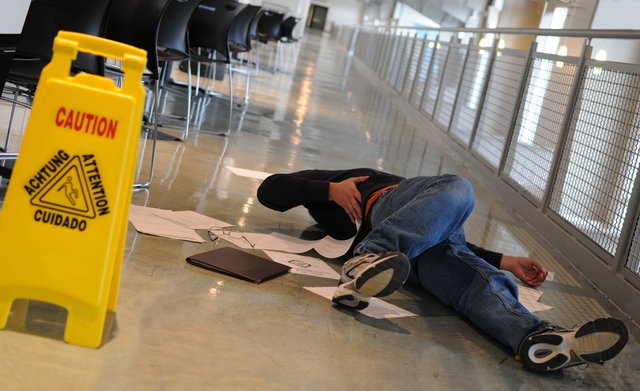
As a tenant in a Florida apartment complex, you might not immediately recognize the legal complexities surrounding slip-and-fall incidents. However, these seemingly minor accidents can lead to significant legal challenges, particularly when they result from negligence in property maintenance. Understanding the potential liabilities and legal obligations is crucial for both tenants and landlords. Personal injury lawyers Tampa frequently handle cases involving intricate property laws, and Florida’s climate can exacerbate maintenance issues, making it essential for all parties to be informed about their rights and responsibilities.
Understanding Florida’s Slip-and-Fall Laws
Legal Framework and Responsibility
Slip-and-fall incidents in Florida are governed by a specific set of laws designed to protect both tenants and property owners. At the heart of these regulations is the premise liability law, which holds landlords accountable for ensuring their properties are safe for occupants and visitors. Under this law, property owners are required to maintain their premises in a reasonably safe condition and promptly address any potential hazards that may exist. Failure to do so can result in legal action if a slip-and-fall accident occurs, highlighting the critical importance of ongoing property maintenance.
Tenant’s Role and Comparative Negligence
Tenants also play a role in maintaining safety within their living environments. Florida law recognizes the concept of comparative negligence, meaning that if a tenant’s actions contributed to their injury, this could impact the outcome of any subsequent legal claim. For instance, if a tenant was aware of a hazard but failed to report it or took a risky action that led to the fall, their compensation could be reduced proportionately.
Common Causes of Slip-and-Fall Incidents in Apartment Complexes
Poorly Maintained Walkways
Slip-and-fall incidents frequently occur due to poorly maintained walkways in apartment complexes. Uneven surfaces, cracked pavement, and loose tiles can pose significant hazards, especially in high-traffic areas. When walkways are inadequately maintained, the risk of accidents increases, potentially leading to severe injuries. Regular inspections and prompt repairs are crucial steps landlords must take to ensure tenant safety.
Inadequate Lighting
Insufficient lighting in common areas, such as stairwells, parking lots, and hallways, can significantly contribute to slip-and-fall incidents. Poor visibility makes it challenging for residents to navigate these areas safely, especially at night or during adverse weather conditions. Installing and maintaining adequate lighting is crucial in helping to prevent accidents and enhancing the overall safety of the apartment complex.
Slippery Surfaces and Weather Conditions
Weather conditions, such as rain and humidity, can create slippery surfaces, particularly on outdoor walkways and entryways. Florida’s climate, characterized by frequent rainfall and high humidity, poses a unique challenge for property managers. Implementing preventive measures, such as non-slip mats and regular maintenance, can help mitigate the risks associated with slippery surfaces caused by weather conditions.
Inadequate Signage
The absence of proper signage can also lead to slip-and-fall accidents. Areas that are under maintenance or have potential hazards should be marked to alert residents and visitors to the risks. When apartment complexes fail to provide adequate warnings for wet floors or ongoing repairs, individuals are more likely to encounter unexpected hazards, thereby increasing the likelihood of accidents.
Identifying Negligence: What Makes a Landlord Liable?
Understanding Landlord Responsibility
In the context of slip-and-fall incidents within Florida apartment complexes, landlord responsibility is a critical factor. A landlord’s liability hinges on their duty to maintain safe living conditions, which involves ensuring that all common areas, such as stairways, walkways, and entryways, are free from hazards. This duty extends to promptly addressing known issues, such as repairing broken steps or clearing slick surfaces. Negligence occurs when landlords fail to fulfill these responsibilities, resulting in unsafe conditions that directly cause tenant injuries.
Establishing Knowledge and Foreseeability
For a landlord to be deemed negligent, it must be established that they knew or should have been aware of the hazardous condition. This can be demonstrated through previous complaints, maintenance logs, or visible neglect over time. Foreseeability plays a crucial role here, as landlords are expected to anticipate potential dangers based on the property’s condition and make necessary adjustments. For instance, if a tenant slips on a patch of ice that formed due to an unrepaired leak, foreseeability might be proven if the issue was reported but ignored.
The Impact of Tenant Conduct
Tenant behavior can also affect a landlord’s liability. If a tenant’s actions significantly contributed to the incident, it may reduce or negate the landlord’s responsibility. For example, if a tenant knowingly ignored warning signs or engaged in reckless behavior in an area under repair, this could mitigate the landlord’s liability. However, the primary focus remains on whether the landlord failed to address a known risk adequately.
Understanding these nuances is paramount. By identifying negligence through the lens of duty, knowledge, and foreseeability, tenants and their legal representatives can better navigate the complexities of slip-and-fall litigation.
Final Thoughts
In navigating the complex landscape of slip-and-fall incidents in Florida apartment complexes, awareness and proactive measures are your best defenses. As a tenant, understanding your legal rights and your landlord’s obligations is crucial in safeguarding your health and well-being. By remaining vigilant about property conditions and seeking expert legal counsel when necessary, you can mitigate the hidden risks associated with these incidents. Personal injury lawyers Tampa stand ready to help protect your interests and ensure you receive the compensation you deserve.