



Quick Answer
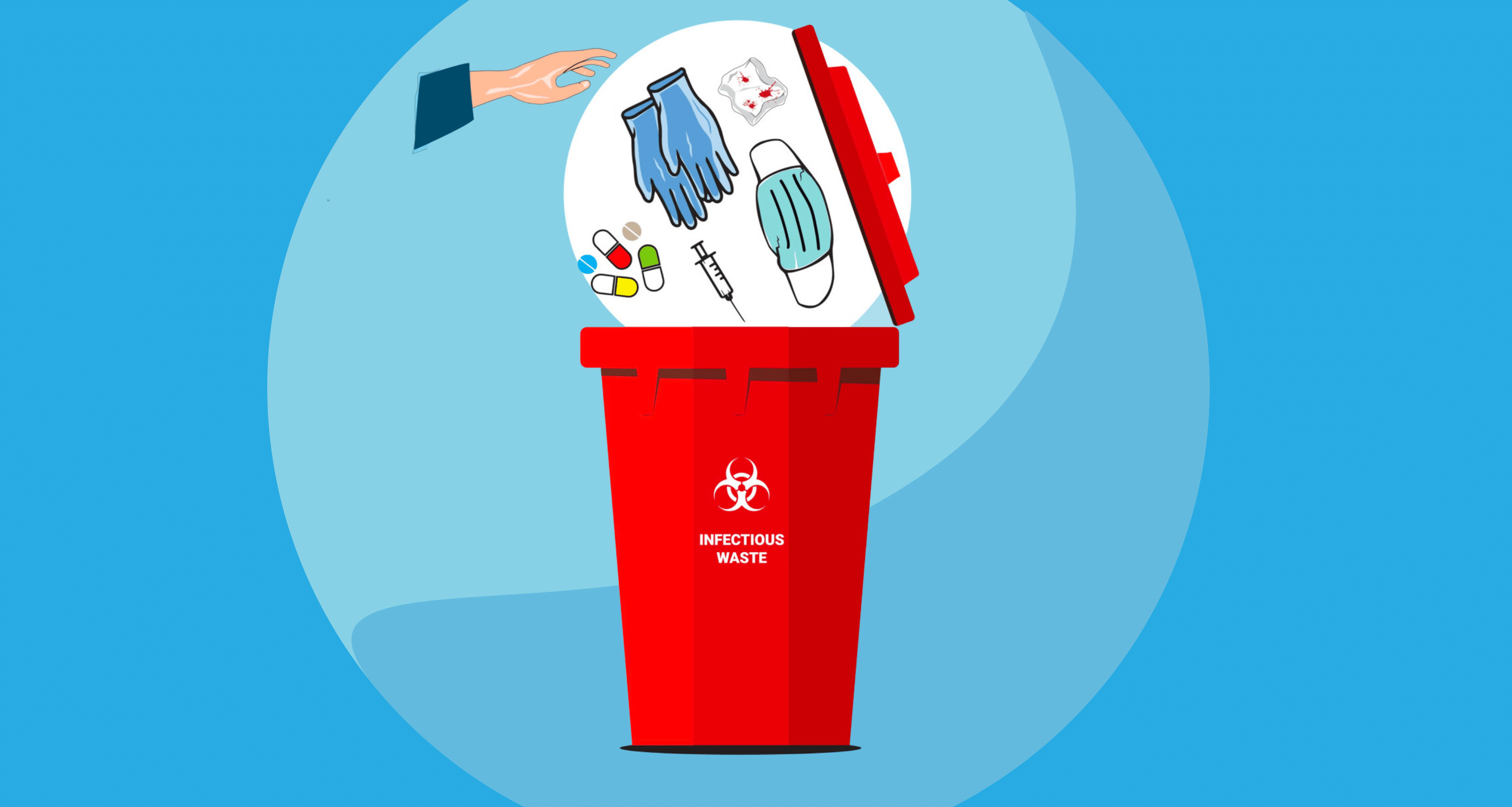
In every healthcare facility, compliance training isn’t just about ticking boxes—it’s about keeping people safe. From handling sharps to storing biohazard waste, staff who understand the rules prevent the mistakes that cause infections, contamination, and fines. Effective programs for managing Florida biomedical waste make sure every employee knows what to do, why it matters, and how to avoid the “oops” moments that can turn into serious accidents.
Why Compliance Training Matters
Hospitals and clinics are busy places. In the rush of patient care, safety rules can sometimes take a backseat to immediate needs. But one small mistake—like tossing a contaminated gauze pad into the wrong bin—can have real consequences.
Compliance training bridges that gap. It turns complex OSHA and EPA regulations into practical, easy-to-follow habits that protect everyone, from doctors to janitors. For Florida’s healthcare community, where regulations are particularly strict, it’s the difference between safe operations and costly errors.
What Does Compliance Training Actually Cover?
Good compliance programs go beyond PowerPoint slides. They combine clear guidelines with real-world demonstrations to help staff handle biohazard materials properly. Typical training sessions include:
- OSHA Bloodborne Pathogen Standards – Safe handling and disposal of contaminated materials.
- Florida Department of Health Rules – Specific storage, labeling, and pickup requirements for biomedical waste.
- Spill and Exposure Response – Immediate steps to take after accidental contact.
- Sharps Safety Protocols – Correct use, transport, and disposal of needles and blades.
- Documentation Procedures – How to maintain records and manifests for inspections.
Training isn’t a one-and-done deal—it’s an ongoing process that adapts as regulations evolve.
Common Gaps That Lead to Accidents
Even with the best intentions, compliance efforts can fail if:
- Training isn’t updated regularly. Rules change, and staff turnover means new hires may miss critical details.
- Supervisors don’t lead by example. If management cuts corners, staff notice—and follow suit.
- Waste stations are poorly labeled. Color codes exist for a reason. Mixing up red and black containers is more than just a color-blind error.
- Records are incomplete. Missing manifests or training logs can trigger fines even if everything else is done correctly.
Accidents often stem from confusion, not carelessness—training clears that confusion before it becomes a hazard.
Creating a Culture of Safety
A strong compliance program doesn’t work unless safety becomes part of the workplace culture. This means:
- Regular refreshers. Quick 10-minute updates every few months keep procedures fresh in everyone’s mind.
- Visible signage. Posters near waste areas serve as daily reminders.
- Empowered employees. Encourage staff to speak up if they notice unsafe behavior.
The goal isn’t just to “follow the rules,” but to make those rules second nature. When staff see compliance as part of patient care, it sticks.
How Florida Facilities Handle Biomedical Waste
Florida has one of the nation’s strictest biomedical waste management frameworks. The Florida Administrative Code (64E-16) outlines everything from labeling and storage to transporter registration.
Facilities must:
- Separate infectious materials at the point of origin.
- Store waste in approved, leak-proof containers.
- Schedule regular pickups by licensed transporters.
- Maintain documentation for at least three years.
Working with a trained provider specializing in Florida biomedical waste management helps ensure every step—from collection to final treatment—meets these regulations.
The Business Case for Compliance
Compliance training isn’t just a safety investment—it’s a financial one. Avoiding fines, reducing turnover, and preventing injuries save money long term. Insurance premiums stay lower, inspectors stay happy, and employees stay confident in their work environment.
Plus, it’s good PR. Patients feel safer in a facility that clearly prioritizes hygiene and safety. You’ll never see a billboard for “We trained our staff to dispose of waste correctly,” but the confidence it builds is priceless.
What This Means for You
Accidents involving biomedical waste are almost always preventable. The key is ongoing education, clear communication, and reliable waste handling practices. With the right compliance training, facilities protect their people, their patients, and their reputation.
If your clinic or healthcare organization needs a certified partner for Tampa medical waste handling and training, MedWaste Solutions offers state-approved programs, direct waste pickup, and full documentation support to keep you compliant and confident—every pickup, every time.