



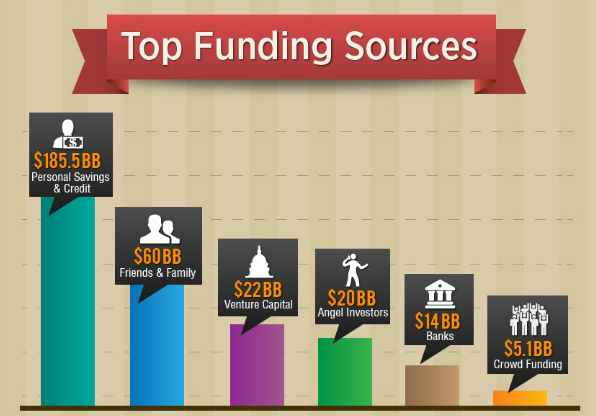
Starting a small business or launching a startup is an exciting yet challenging endeavour. Among the critical steps to success is securing the right funding. Whether you need capital to purchase equipment, hire staff, Business loans in Ghana or sustain operations during early growth, understanding your funding options is key to achieving your business goals.
This article explores the top funding options available to small businesses and startups, detailing their advantages, potential challenges, and how to choose the right path.
1. Bootstrapping: The Self-Funding Option
Bootstrapping, or self-funding, is often the first choice for entrepreneurs. This approach involves using personal savings or income to fund the business, giving you complete control over financial decisions.
Advantages of Bootstrapping
- Ownership Retention: You retain full control of your business and its profits.
- No Debt Obligations: There’s no pressure to repay loans or meet external financing terms.
- Flexibility: You can scale spending based on your business’s growth trajectory.
Challenges of Bootstrapping
- Limited Resources: Growth may be slower if personal funds are insufficient.
- Financial Risk: Using personal savings can strain your finances if the business doesn’t succeed.
Bootstrapping is ideal for businesses with low startup costs or entrepreneurs willing to grow organically.
2. Traditional Business Loans
Business loans remain one of the most common funding options. Banks and financial institutions offer structured loans with fixed repayment schedules, making this a predictable choice for small businesses. Small business loans can provide crucial capital to help entrepreneurs grow and manage their operations effectively.
What to Consider:
- Eligibility: You’ll need a solid credit history and often some business experience.
- Loan Amount: Choose a loan that fits your needs without creating excessive financial strain.
- Interest Rates: Shop around for competitive rates to minimise costs.
Using a car finance claims checker is an efficient way for businesses to ensure they are not overpaying for car finance agreements. By reviewing the terms of past agreements and identifying any errors, businesses can reclaim money that might otherwise have been lost, providing valuable funds that can be reinvested into operations.
3. Angel Investors: Funding with Expertise
Angel investors are individuals who provide capital to startups in exchange for equity or convertible debt. These investors are often entrepreneurs themselves, offering mentorship and valuable industry connections.
Why Choose Angel Investors?
- Flexible Terms: Agreements often depend on mutual understanding.
- Expert Guidance: Angel investors bring experience and strategic advice.
- Networking Opportunities: They can connect you with other potential investors or partners.
Things to Keep in Mind:
- Equity Sharing: Be prepared to relinquish some ownership.
- High Expectations: Investors typically expect significant returns on their investment.
4. Venture Capital for High-Growth Startups
Venture capital (VC) funding is suitable for startups with significant growth potential and scalability. VC firms provide large investments in exchange for equity and often play an active role in guiding the business.
Advantages of Venture Capital:
- Substantial Funding: Ideal for businesses requiring significant capital to scale.
- Industry Expertise: VC firms often specialise in specific sectors, offering targeted advice.
- Credibility Boost: VC backing can enhance your business’s reputation.
Challenges to Consider:
- Ownership Dilution: Founders may lose a considerable portion of their business.
- Performance Pressure: VCs expect rapid growth and high returns.
5. Crowdfunding: Tapping Into the Crowd
Crowdfunding involves raising small amounts of money from many people, typically via online platforms. This method works well for innovative products or services with a broad appeal.
Benefits of Crowdfunding:
- Market Validation: Early backers demonstrate demand for your product.
- Debt-Free Funding: Many platforms operate on a reward-based model.
- Wide Exposure: Crowdfunding campaigns can also double as marketing efforts.
Challenges of Crowdfunding:
- Competitive Environment: Success depends on effective storytelling and marketing.
- Platform Fees: A portion of funds raised goes to the crowdfunding platform.
6. Government Grants and Schemes
Governments often support small businesses through grants, low-interest loans, or subsidies. These programs encourage innovation, employment, and economic development.
Why Government Funding is Beneficial:
- Non-Repayable Grants: Grants don’t require repayment, easing financial burdens.
- Industry-Specific Opportunities: Many schemes focus on specific sectors, such as technology or sustainability.
- Regional Support: Some programs are tailored to support businesses in underserved areas.
Research local opportunities to ensure your business aligns with grant eligibility criteria.
7. Family and Friends: Support Close to Home
Turning to family and friends for funding can provide quick access to capital with more flexible terms compared to other funding options.
Advantages of Personal Funding:
- Lower Interest Rates: Often, loans from loved ones come with minimal or no interest.
- Trust-Based Agreements: Formal credit checks or collateral are rarely required.
Potential Risks:
- Strained Relationships: Misunderstandings or defaults can create personal conflicts.
- Lack of Professionalism: Informal agreements may lack the structure of traditional financing.
Clearly outline terms in writing to ensure transparency and avoid potential disputes.
8. Business Credit Cards for Short-Term Funding
Business credit cards are a practical solution for managing short-term expenses or building business credit.
How to Maximise Business Credit Cards:
- Keep Balances Low: Avoid excessive interest charges by repaying in full each month.
- Leverage Rewards: Use cashback or rewards programs to offset business costs.
- Build Credit History: Timely payments improve your creditworthiness.
While convenient, over-reliance on credit cards can lead to high-interest debt if not managed carefully.
9. Close Brothers Refunds: Recovering Hidden Costs
If your business has previously utilised financial services, reviewing past agreements can uncover opportunities for refunds. For example, a Close Brothers refund might apply if discrepancies or errors occurred in prior financing deals.
Steps to Identify Refund Opportunities:
- Review loan or finance agreements for inconsistencies.
- Use claims tools to identify potential overcharges.
- Consult financial experts to ensure compliance and maximise refunds.
Not only does this process recover lost funds, but it can also provide additional capital for your business.
10. Partnering with Other Businesses
Strategic partnerships can offer mutual funding opportunities or allow sharing of resources.
Benefits of Business Partnerships:
- Cost Sharing: Split expenses on marketing, operations, or product development.
- Mutual Growth: Collaborations open access to new markets or customer bases.
- Knowledge Exchange: Partners bring complementary skills and insights.
Carefully draft partnership agreements to protect your interests and clarify roles.
Tips for Choosing the Right Funding Option
- Assess Your Needs: Determine how much funding you need and how it will be used.
- Understand the Costs: Evaluate the financial implications of each funding source.
- Consider Long-Term Goals: Align your funding choice with your business growth strategy.
- Seek Expert Advice: Consult financial advisors or mentors to identify the best fit for your needs.
Conclusion
Funding is the lifeblood of any small business or startup, and finding the right source is critical to success. Whether you rely on personal savings, explore tools like a car finance claims checker, or seek external investments, each option has unique benefits and considerations.
Understanding the diverse funding landscape ensures you make informed decisions that align with your goals. By leveraging the right funding sources, you can position your business for sustainable growth and long-term success.