



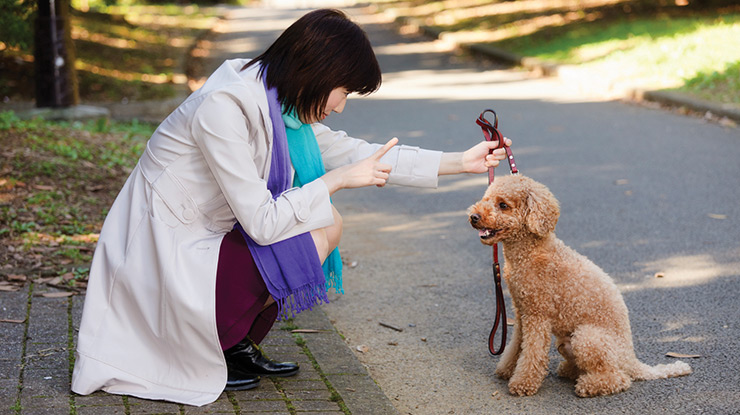
Owning a pet comes with many joys—unconditional love, loyal companionship, and endless moments of amusement. But alongside all the benefits comes an unavoidable responsibility: cleaning up after your pet. While it might seem like a simple task, many pet owners unknowingly make mistakes when it comes to pet waste removal. These common errors can lead to health risks, environmental harm, and even damage to your yard.
Whether you’re a new pet owner or have shared your home with furry friends for years, understanding the right way to manage pet waste is crucial. In this article, we’ll explore the most common mistakes pet owners make with waste cleanup and provide practical solutions to ensure your home, yard, and community stay clean and safe. We’ll also discuss how professional services like Doodie Free can simplify the process and help you avoid these pitfalls entirely.
Mistake 1: Thinking Pet Waste Is Natural Fertilizer
One of the biggest misconceptions about pet waste is that it’s just like any other organic material—many believe it acts as a natural fertilizer for their lawn. Unfortunately, this couldn’t be further from the truth.
Why This Is a Problem
Unlike manure from herbivores like cows or horses, dog waste is high in nitrogen and phosphorus due to their protein-rich diet. This chemical makeup can “burn” your grass, leaving unsightly brown patches and damaging your lawn over time. Additionally, dog waste contains harmful bacteria and parasites that can contaminate soil and spread to humans, pets, and other animals.
How to Avoid It
Rather than leaving waste to decompose naturally, always pick up after your pet and dispose of the waste properly. If you’re looking for a hassle-free way to keep your yard clean, professional pooper scooper services like Doodie Free can help maintain a healthy lawn while ensuring proper disposal of pet waste.
Mistake 2: Delaying Waste Cleanup
It’s easy to think that skipping a day or two of cleanup won’t make much of a difference, especially if your dog’s waste isn’t immediately visible. But waiting too long to clean up after your pet can have more serious consequences than you might expect.
Why This Is a Problem
Pet waste doesn’t just sit harmlessly in your yard. As it breaks down, it releases harmful bacteria and parasites into the soil, increasing the risk of contamination for both humans and pets. Additionally, waste left in the yard can attract pests like flies, rodents, and raccoons, which can spread diseases even further.
How to Avoid It
Make pet waste removal a part of your daily routine. Regular cleanup not only keeps your yard looking good but also minimizes health risks and prevents pest infestations. If daily maintenance feels overwhelming, consider hiring a pooper scooper service to handle the job on a regular schedule.
Mistake 3: Using Plastic Grocery Bags for Waste Disposal
Many pet owners use old plastic grocery bags to pick up waste, thinking it’s a convenient way to recycle plastic. While this may seem eco-friendly at first glance, it’s actually harmful to the environment in the long run.
Why This Is a Problem
Plastic grocery bags are not biodegradable, meaning they will sit in landfills for hundreds of years. Even if you dispose of pet waste properly, the plastic surrounding it will continue to contribute to pollution and environmental degradation.
How to Avoid It
Opt for biodegradable or compostable pet waste bags that break down naturally over time. These environmentally friendly options reduce plastic waste and ensure your cleanup efforts don’t have unintended consequences. Many pooper scooper services, including Doodie Free, prioritize the use of eco-friendly disposal methods to minimize environmental impact.
Mistake 4: Flushing Pet Waste Down the Toilet Without Checking Local Regulations
Some pet owners believe flushing pet waste down the toilet is an environmentally responsible way to dispose of it, assuming it will be processed like human waste. While this might be true in some areas, it’s not always the best or safest option.
Why This Is a Problem
Not all municipal sewage systems are equipped to handle pet waste. Flushing dog waste can introduce harmful parasites like Toxocara or Giardia into the water system, potentially contaminating local waterways if the waste isn’t treated properly. Additionally, flushing pet waste inside plastic bags can clog pipes and damage plumbing.
How to Avoid It
Before flushing pet waste, check with your local wastewater treatment facility to ensure it’s safe and permitted. If flushing isn’t recommended in your area, stick to bagging and trashing the waste in biodegradable bags, or rely on a professional pooper scooper service to handle proper disposal.
Mistake 5: Ignoring Public Spaces and Sidewalks
While many pet owners are diligent about cleaning up waste in their own yards, some may overlook the importance of waste removal in public spaces, parks, and sidewalks. Failing to clean up after your dog in these areas doesn’t just affect aesthetics—it can lead to health hazards for the entire community.
Why This Is a Problem
Leaving pet waste in public areas increases the risk of spreading diseases to other pets and people who use those spaces. It also contributes to pollution, as rain can wash waste into storm drains and contaminate local water systems. Additionally, ignoring waste cleanup in public areas can result in fines or penalties, depending on local ordinances.
How to Avoid It
Always carry waste bags when walking your dog, and dispose of waste in designated bins. If you frequent parks or shared outdoor spaces, advocate for the installation of pet waste stations to encourage responsible cleanup in the community. Setting a good example helps foster a cleaner, healthier environment for everyone.
Mistake 6: Neglecting to Sanitize After Cleanup
Many pet owners focus solely on picking up waste but overlook the importance of sanitizing their hands, tools, and the areas where waste was collected. While the waste might be gone, harmful bacteria can still linger on surfaces and pose health risks.
Why This Is a Problem
Pet waste contains bacteria and parasites that can survive long after the visible waste has been removed. Failing to sanitize tools like pooper scoopers or even your hands after cleanup can lead to the spread of germs inside your home, especially if you touch surfaces or prepare food without washing up first.
How to Avoid It
After handling pet waste, always wash your hands thoroughly with soap and warm water. Regularly sanitize any tools used for cleanup, and consider using disinfectant sprays or solutions to clean areas where waste was present. Professional pooper scooper services like Doodie Free take sanitation seriously, ensuring your yard is not only clean but safe from harmful pathogens.
Mistake 7: Underestimating the Environmental Impact of Pet Waste
Many pet owners don’t realize the broader environmental implications of improperly managed pet waste. From contributing to water pollution to harming local wildlife, the environmental impact of pet waste is far-reaching and often underestimated.
Why This Is a Problem
When pet waste is left on the ground, rain can wash it into storm drains, rivers, and lakes. This runoff carries harmful bacteria and nutrients into local water systems, leading to pollution and the growth of harmful algal blooms that disrupt aquatic ecosystems. Additionally, waste left in natural areas can harm wildlife by contaminating food sources and introducing diseases.
How to Avoid It
Be proactive about pet waste management, both in your yard and in public spaces. Use biodegradable bags for waste collection and ensure proper disposal to prevent environmental contamination. Consider partnering with a professional pooper scooper service that prioritizes eco-friendly practices and responsible waste disposal.
Mistake 8: Skipping Waste Cleanup During Winter Months
Cold weather often leads pet owners to believe that pet waste cleanup can take a backseat until spring. However, snow and ice can mask waste, creating hidden hazards that accumulate over time.
Why This Is a Problem
Pet waste doesn’t disappear with the snow—it simply builds up beneath it. When the snow melts in the spring, all that accumulated waste can create a messy, hazardous situation in your yard. Additionally, the bacteria and parasites in pet waste remain active even in cold temperatures, posing risks to pets and humans alike.
How to Avoid It
Make waste cleanup a year-round habit, regardless of the weather. Invest in durable, winter-friendly tools to make the task easier, or rely on a professional pooper scooper service like Doodie Free to handle cleanup throughout the colder months. Regular maintenance prevents buildup and keeps your yard clean and safe, no matter the season.
Conclusion
Managing pet waste may seem like a straightforward task, but common mistakes can have serious consequences for your health, your yard, and the environment. From delaying cleanup to using the wrong disposal methods, these errors can lead to long-term problems if left unaddressed.
By understanding and avoiding these common pitfalls, you can maintain a clean, safe, and healthy environment for your family, pets, and community. For those looking for a hassle-free solution, professional pooper scooper services like Doodie Free offer reliable, eco-friendly pet waste removal tailored to your needs.
Taking responsibility for pet waste management isn’t just about keeping your yard tidy—it’s about protecting your health, preserving the environment, and being a considerate member of your community. With the right practices in place, you can enjoy all the joys of pet ownership without the mess and stress.