



When it comes to tuning your car for more power, not all upgrades are created equal. Some modifications deliver real gains, while others are more about looks than function. This article breaks down the most effective performance mods that not only add horsepower but also improve the overall driving experience.
The world of aftermarket upgrades is vast, and choosing the right performance parts can be overwhelming. Whether you’re a weekend track warrior or someone who just wants a little extra throttle response on your daily commute, understanding the impact of each mod is crucial. Many enthusiasts end up spending money on parts that offer minimal performance benefits, simply because they look aggressive or are trending on forums.
Thanks to the rising interest in performance tuning and car customization, car news sources have increasingly focused on modifications that actually work. With accurate coverage and first-hand testing becoming more common, enthusiasts today are better equipped to make informed decisions. The conversation around car news isn’t just about stock releases anymore—it’s also about how to unlock the potential of the cars you already own.
Cold Air Intake Systems
A cold air intake (CAI) is one of the most accessible and effective mods you can install. By drawing cooler, denser air into the engine, a CAI improves combustion efficiency and increases power. Most stock airboxes are restrictive, designed for noise reduction and emissions compliance. Aftermarket intake systems eliminate these bottlenecks, allowing your engine to breathe more freely.
On average, a quality cold air intake can add anywhere from 5 to 20 horsepower, depending on the make and model of your vehicle. Pairing this with a performance air filter ensures better filtration without sacrificing airflow.
ECU Remapping or Tuning
Modern vehicles rely heavily on the engine control unit (ECU) to manage fuel delivery, ignition timing, and boost levels (in turbocharged cars). Tuning the ECU—either through remapping or using a standalone engine management system—can yield some of the largest power gains available without touching the engine mechanically.
ECU tuning adjusts the software parameters to optimize performance, often resulting in sharper throttle response, increased horsepower, and improved torque. Turbocharged engines, in particular, benefit significantly, with gains of 20% or more not uncommon.
Performance Exhaust Systems
A high-flow exhaust system reduces backpressure and allows exhaust gases to exit the engine more efficiently. Factory exhausts are typically restrictive, focusing on cost, emissions, and noise control. Upgrading to a performance cat-back or turbo-back system can unlock hidden power and give your car a more aggressive exhaust note.
In addition to increased horsepower, a performance exhaust can also improve fuel efficiency and throttle response. Materials like stainless steel and titanium not only look good but also resist corrosion, making this a durable and worthwhile investment.
Forced Induction Upgrades
If your car is already turbocharged or supercharged, upgrading the existing system can dramatically increase power. Larger turbos, upgraded intercoolers, or pulley swaps for superchargers are common approaches. For naturally aspirated cars, adding a turbo or supercharger is one of the most effective (though expensive) ways to achieve major power gains.
Keep in mind that forced induction mods typically require supporting upgrades—fuel injectors, upgraded cooling, and proper ECU tuning—to operate reliably.
High-Performance Tires
While not a power mod in the traditional sense, high-performance tires are essential for putting that extra horsepower to the ground. Better grip improves acceleration, cornering, and braking performance. A powerful car with poor tires won’t perform to its potential and could compromise safety.
Tires designed for street performance or track use can make a noticeable difference in how your car feels and handles. Always choose tires that match your intended use, and don’t overlook the importance of proper alignment and suspension setup.
Upgraded Suspension and Brakes
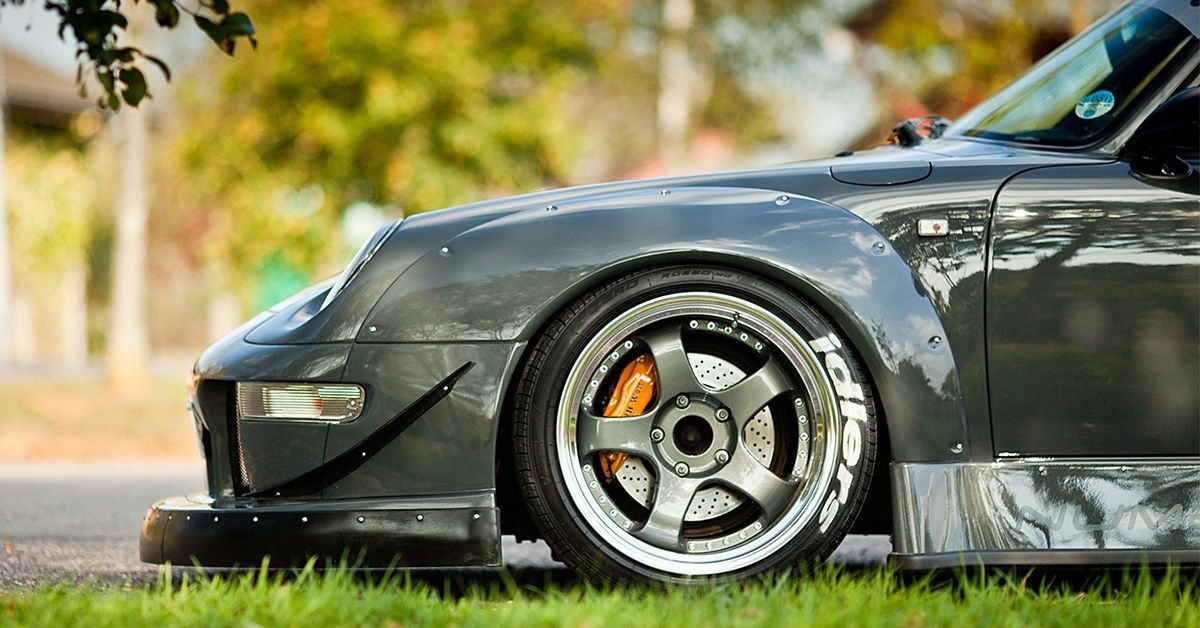
Handling is just as important as raw power. Upgraded coilovers, sway bars, and bushings allow for better weight distribution and cornering control. Likewise, big brake kits or performance pads and rotors reduce stopping distances and help maintain control during spirited driving.
Suspension and brake upgrades don’t add horsepower, but they enhance the vehicle’s ability to use it effectively. Together with power mods, they create a well-rounded and responsive driving machine.
Lightweight Components
Reducing vehicle weight improves the power-to-weight ratio, which can feel like a significant power boost. Swapping heavy stock parts for lightweight alternatives—like carbon fiber body panels, aluminum flywheels, or lightweight wheels—improves acceleration, braking, and overall agility.
Even small reductions in unsprung weight (such as wheels and brake components) have a disproportionately large effect on handling and response.
Final Thoughts on Smart Modding
Performance tuning is as much about balance as it is about brute power. The best builds are those that take a holistic approach—upgrading intake, exhaust, ECU, suspension, and brakes in tandem. Every upgrade should serve a purpose and enhance the car’s performance in real-world driving.
In a market saturated with cosmetic add-ons and overpriced gimmicks, it’s more important than ever to invest in upgrades that deliver results. For those who want real performance gains and not just louder exhausts or flashy spoilers, staying informed is key. The culture of smart modding remains strong and continues to evolve alongside advancements in automotive technology.