



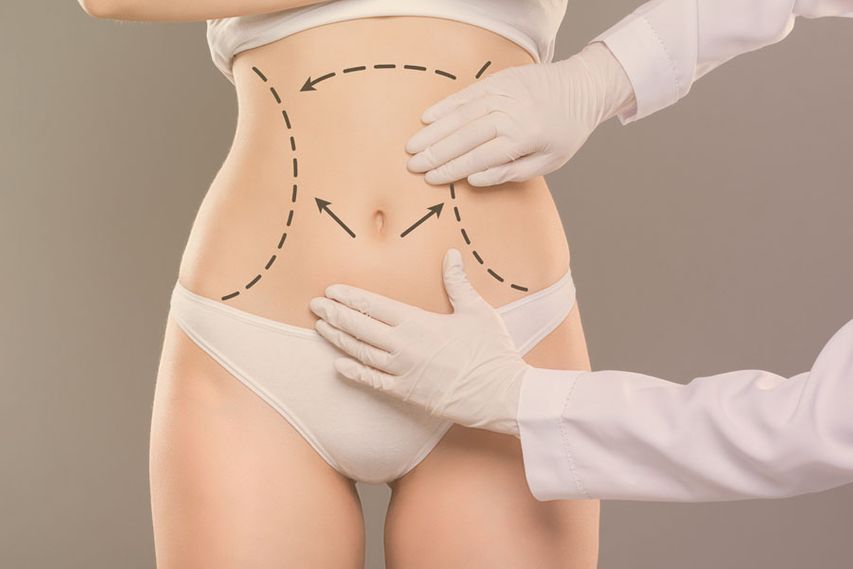
A tummy tuck in Dubai, medically known as abdominoplasty, is a cosmetic surgical procedure designed to improve the appearance and contour of the abdomen. It is commonly considered by people who have excess skin, stubborn fat, or weakened abdominal muscles that do not respond sufficiently to diet and exercise.
Dubai has become a popular destination for cosmetic and aesthetic procedures, with modern clinics, experienced plastic surgeons, and advanced medical facilities. However, tummy tuck surgery is a significant procedure, so understanding the treatment, benefits, recovery process, and potential risks is important before making a decision. Also check for Breast Augmentation Surgery
What Is a Tummy Tuck?
A tummy tuck is a surgical procedure that removes excess skin and fat from the abdominal area and, when necessary, tightens weakened or separated abdominal muscles.
The procedure is different from weight-loss surgery. It is generally intended for people who are relatively close to their ideal weight but have loose abdominal skin or muscle laxity.
Depending on the patient’s individual condition, the surgeon may recommend a full tummy tuck, mini tummy tuck, or another variation of abdominoplasty. Also check for Breast Implant Surgery
Why Consider a Tummy Tuck in Dubai?
Dubai offers access to modern cosmetic surgery facilities and qualified medical professionals. Patients can find clinics offering a range of body-contouring procedures designed around individual needs.
Some people consider abdominoplasty after significant weight loss, pregnancy, or natural changes associated with aging. These situations can leave stretched skin or weakened abdominal muscles that may be difficult to improve through exercise alone.
A consultation with a qualified plastic surgeon is essential to determine whether tummy tuck surgery is appropriate.
Who Is a Good Candidate for Tummy Tuck Surgery?
The ideal candidate varies from person to person. Generally, tummy tuck surgery may be considered by adults who have:
- Excess or loose abdominal skin
- Stubborn localized fat
- Weakened abdominal muscles
- Abdominal skin changes following pregnancy
- Loose skin following significant weight loss
- Good general health
- Realistic expectations about the outcome
Patients should also understand that a tummy tuck is not a substitute for healthy eating or regular physical activity.
If someone plans significant future weight loss or pregnancy, the surgeon may recommend delaying the procedure because these changes can affect the results.
Types of Tummy Tuck Procedures
There are several forms of abdominoplasty. The most suitable option depends on the amount of excess skin, muscle laxity, fat distribution, and the patient’s desired outcome.
Full Tummy Tuck
A full abdominoplasty generally addresses a larger area of the abdomen. It can involve removal of excess skin and tightening of abdominal muscles.
This option may be suitable for people with significant loose skin above and below the belly button.
Mini Tummy Tuck
A mini tummy tuck generally focuses on the lower abdominal area and may involve a smaller incision than a full abdominoplasty.
It may be considered when excess skin and muscle laxity are primarily located below the belly button.
Extended Tummy Tuck
An extended tummy tuck can address excess skin extending beyond the abdomen toward the sides of the body. It may be considered after substantial weight loss or when a larger area requires contouring.
The appropriate procedure should always be determined after a physical examination and consultation.
How Is a Tummy Tuck Performed?
The exact surgical technique varies depending on the patient’s anatomy and treatment plan.
Typically, the procedure begins with an incision in the lower abdominal area. The surgeon carefully separates the skin and tissue from the underlying abdominal wall.
If the abdominal muscles have become separated or weakened, the surgeon may tighten them. Excess skin is then removed, and the remaining skin is repositioned to create a smoother abdominal contour.
The belly button may also need to be repositioned during a full tummy tuck.
The incision is closed carefully, and the surgeon may place drains temporarily depending on the procedure and individual circumstances.
Because techniques vary, patients should ask their surgeon to explain exactly how their planned procedure will be performed.
Tummy Tuck After Pregnancy
Pregnancy can significantly stretch the abdominal skin and muscles. Some women experience loose skin or abdominal muscle separation that remains even after returning to their pre-pregnancy weight.
A tummy tuck can address certain physical changes associated with pregnancy.
However, patients considering future pregnancies should discuss their plans with their surgeon. Another pregnancy can stretch the abdominal tissues again and potentially alter the surgical results.
Tummy Tuck After Weight Loss
Significant weight loss can improve overall health and body shape but may leave behind excess skin.
For some people, this loose skin can cause discomfort, difficulty with clothing, or dissatisfaction with their abdominal appearance.
Abdominoplasty can remove some of this excess skin and improve body contour. Patients should ideally reach a stable weight before surgery because substantial weight fluctuations can affect the results.
Benefits of Tummy Tuck Surgery
A tummy tuck can provide several aesthetic and physical benefits for suitable patients.
Potential benefits include:
- Removal of excess abdominal skin
- Improved abdominal contour
- A firmer-looking abdomen
- Tightening of weakened abdominal muscles
- Improved body proportions
- Better fit of certain clothing
- Increased confidence in body appearance
The results vary between individuals, and surgery cannot guarantee a specific appearance.
Tummy Tuck Recovery in Dubai
Recovery is an important part of the treatment process. Patients should follow their surgeon’s postoperative instructions carefully.
Immediately after surgery, swelling, bruising, tightness, and discomfort can occur. These symptoms generally improve as healing progresses.
Patients may need to avoid strenuous exercise and heavy lifting for several weeks. Light movement and walking are often encouraged according to the surgeon’s instructions because mobility can be important during recovery.
The exact recovery timeline depends on the surgical technique, the individual’s health, and how their body heals.
Before scheduling surgery, patients should plan sufficient time away from physically demanding work and activities.
Is Tummy Tuck Surgery Painful?
Because abdominoplasty is surgery, some discomfort should be expected during the recovery period.
Pain-management medication may be prescribed by the medical team. Patients can also experience tightness or restricted movement during the early recovery period.
Following postoperative instructions can help support a smoother recovery. Patients should contact their medical team if they experience symptoms that appear unusual or concerning.
Tummy Tuck Scars
Scarring is an unavoidable consideration with tummy tuck surgery. The incision is typically positioned as discreetly as possible, often in the lower abdominal area.
Over time, scars generally change in appearance and may become less noticeable. However, scar development varies between individuals.
Patients should discuss incision placement, scar management, and expected healing with their surgeon before surgery.
Risks and Considerations
Although tummy tuck surgery is commonly performed, it is still a surgical procedure and carries potential risks.
Possible complications may include:
- Infection
- Bleeding
- Fluid accumulation
- Changes in skin sensation
- Delayed wound healing
- Noticeable scarring
- Blood clots
- Asymmetry
- Anesthesia-related complications
Individual risk depends on factors such as overall health, smoking status, medications, previous surgeries, and the complexity of the procedure.
Choosing a qualified and appropriately licensed surgeon and following medical instructions can help reduce avoidable risks.
How Much Does a Tummy Tuck in Dubai Cost?
The cost of a tummy tuck in Dubai varies considerably. Factors that can influence the total price include the surgeon’s experience, clinic or hospital, type of abdominoplasty, anesthesia, medical tests, postoperative care, and whether additional procedures are performed.
For example, combining abdominoplasty with liposuction may change the overall treatment cost.
Rather than choosing a clinic solely based on price, patients should consider the surgeon’s qualifications, facility standards, consultation process, safety protocols, and aftercare.
A personalized quotation can usually be provided after an assessment.
How to Choose a Tummy Tuck Surgeon in Dubai
Selecting the right surgeon is one of the most important decisions.
Before proceeding, consider:
Qualifications and licensing: Verify that the surgeon is appropriately qualified and licensed to perform cosmetic surgery.
Experience: Ask about their experience with abdominoplasty and similar body-contouring procedures.
Before-and-after photographs: These may help you understand the surgeon’s typical results, although individual outcomes vary.
Consultation: A proper consultation should involve discussion of your medical history, goals, expectations, risks, and recovery.
Facility: Ensure the procedure is performed in an appropriate medical facility with suitable safety standards.
Aftercare: Ask what postoperative support is included and who you can contact if concerns develop after surgery.
Frequently Asked Questions
How long does a tummy tuck take?
The duration varies depending on the type and complexity of the procedure. Your surgeon can provide a more accurate estimate after evaluating your condition.
Will a tummy tuck remove belly fat?
A tummy tuck primarily removes excess skin and may address some localized fat. It is not a weight-loss treatment. Liposuction may sometimes be combined with abdominoplasty when clinically appropriate.
Are tummy tuck results permanent?
The removed skin and tightened tissues do not simply return to their original state, but aging, pregnancy, and significant weight changes can alter the results.
When can I exercise after a tummy tuck?
Strenuous exercise and heavy lifting are generally restricted during the initial recovery period. Your surgeon should determine when you can safely return to specific activities.
Final Thoughts
A tummy tuck in Dubai can help suitable patients achieve a firmer and more contoured abdominal appearance by removing excess skin and, when necessary, tightening weakened abdominal muscles.
However, abdominoplasty is a major surgical procedure and should be approached with realistic expectations. A consultation with a qualified plastic surgeon is the best way to determine whether the procedure is appropriate for you.
Before choosing a clinic, compare surgeon qualifications, treatment plans, facility standards, expected recovery, risks, aftercare, and total costs. Making an informed decision can help you approach tummy tuck surgery with greater confidence and realistic expectations.