



Neck pain can be an unwelcome disruption in daily life, affecting everything from work performance to simple activities like reading or sleeping. If you’re experiencing chronic neck discomfort or stiffness, cervical spondylosis may be the underlying cause. But what exactly is cervical spondylosis, and how can it be managed or treated effectively?
This guide dives into the causes, symptoms, and treatment options for cervical spondylosis while offering valuable insights into making lifestyle adjustments for better neck health.
What Is Cervical Spondylosis?
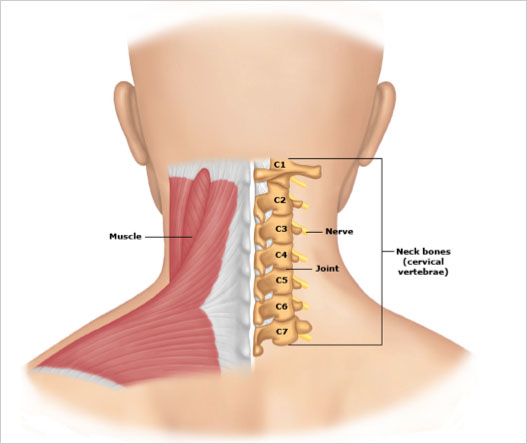
Cervical spondylosis, often referred to as “neck arthritis,” is a common condition that affects the cervical spine surgery, the upper portion of your backbone. It occurs due to wear and tear of the spinal discs and joints in the neck, leading to stiffness, discomfort, and in some cases, nerve compression or pain that radiates to the arms.
Prevalence and Impact
Cervical spondylosis is more common than many realize. Studies reveal that over 85% of people aged 60 and older show some signs of this condition. However, it isn’t limited to older adults. Younger individuals, especially those with poor posture or sedentary lifestyles, may also experience its effects.
Left untreated, severe cervical spondylosis can impact your ability to work, enjoy recreational activities, or get restorative sleep. However early recognition and action can significantly improve outcomes.
Causes and Risk Factors
Understanding the factors that contribute to cervical spondylosis is crucial for identifying who is most at risk and paving the way for effective prevention.
Age-Related Degeneration
Age is the most significant factor in cervical spondylosis. Over time, the discs in your neck lose elasticity and hydration, becoming thinner and less effective at cushioning the vertebrae. This degeneration can lead to bone spurs, which often exacerbate stiffness and pain.
Lifestyle Factors
Your lifestyle choices also play a pivotal role. Prolonged hours spent hunched over computers or smartphones, carrying heavy bags on one shoulder, or engaging in repetitive neck movements while playing sports can all strain the neck, accelerating the onset of spondylosis. Smoking and being overweight further heighten the risk by weakening bone health and circulation.
Symptoms and Diagnosis
Identifying the symptoms of cervical spondylosis early is key to preventing more severe complications.
Common Symptoms
While some individuals may have cervical spondylosis without experiencing symptoms, others may encounter:
- Persistent neck pain or stiffness.
- Headaches start at the base of the skull.
- Numbness, tingling, or weakness in the arms.
- Difficulty moving the neck or turning the head.
- General discomfort or fatigue.
Diagnostic Methods
Healthcare professionals adopt various methods for diagnosing cervical spondylosis, often starting with a physical exam. They may conduct X-rays, MRI scans, or CT scans to examine the condition of your cervical spine in detail. If nerve compression is suspected, electromyography (EMG) tests may be performed to assess nerve functionality.
Treatment Options
Fortunately, several treatment options, ranging from non-invasive to surgical interventions, can help alleviate the symptoms of cervical spondylosis.
Non-Surgical Approaches
Many cases of cervical spondylosis can be managed effectively without surgery. Common solutions include:
- Physical Therapy: Helps improve neck strength and flexibility.
- Medications: Anti-inflammatory drugs or muscle relaxants may be prescribed.
- Heat and Ice Therapy: Alternating between hot and cold compresses can reduce swelling and relax muscles.
- Cervical Collars: Temporary use of a soft cervical collar may provide relief by limiting neck movement.
If you’re seeking professional advice, specialists at facilities like the Adelaide Neurosurgery Centre have extensive expertise in managing such cases through non-surgical approaches.
Surgical Interventions
Surgery is reserved for situations where non-surgical methods prove ineffective or if nerve or spinal cord compression leads to significant issues like limb weakness or loss of coordination. Procedures like cervical spine surgery aim to remove problematic bone spurs, discs, or other sources of compression, allowing patients to regain mobility and reduce pain significantly.
The Adelaide Neurosurgery Centre is renowned for its precision and care in performing critical procedures like cervical spine surgery, ensuring each patient receives tailored treatment for their specific needs.
Living With Cervical Spondylosis
If you’ve been diagnosed with cervical spondylosis, small but impactful changes can improve your quality of life.
Lifestyle Adjustments
- Posture Awareness: Maintain an ergonomic workspace, aligning your chair, desk, and computer screen to reduce neck strain.
- Regular Exercise: Strengthening core and neck muscles can provide much-needed support to your spine.
- Mindfulness Techniques: Practices like yoga or meditation can help manage pain and reduce stress.
Support and Resources
Connecting with communities of individuals with similar experiences can offer both emotional and practical benefits. Many organizations also provide resources and support designed to help you stay informed and proactive.
Conclusion
Cervical spondylosis doesn’t have to dictate your quality of life. Knowing its causes, symptoms, treatment options, and self-care adjustments can put you in control.