



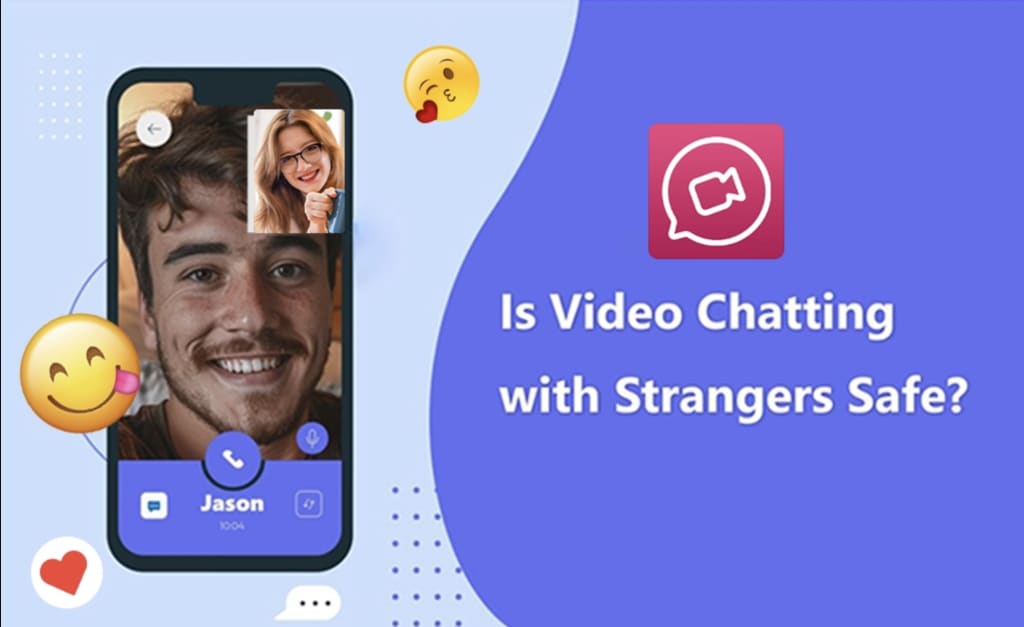
In the vast landscape of online social interaction, connecting with strangers offers a unique thrill of discovery. While text chat provides a low-pressure entry point, the true depth of spontaneous connection often begins when a voice is heard or a face is seen. The choice between voice-only and full video chat on stranger platforms presents a fascinating dynamic, each offering distinct nuances in how connections are formed, perceived, and maintained. Understanding these differences is key to optimizing your experience, and responsible platforms like Person App often offer both, allowing users to choose their preferred mode of interaction.
Historically, random chat began with text, evolving into voice, and then full video. Each step brought a new layer of immersion and intimacy, but also new considerations regarding privacy, comfort, and the nature of the interaction itself. The decision to use voice or video is not merely technical; it’s a personal one, deeply influencing the depth, immediacy, and emotional resonance of a spontaneous connection.
Voice Chat: The Power of the Unseen
Voice chat offers a compelling blend of intimacy and anonymity. Without the visual component, the focus is entirely on the auditory, fostering a unique kind of connection:
- Pros of Voice Chat:
- Reduced Pressure: Not having to be “on camera” can significantly lower social anxiety, especially for shy individuals or those new to stranger chat. This allows for a more relaxed and authentic conversation.
- Enhanced Anonymity: While a voice can be distinctive, it inherently offers more anonymity than a face. Users might feel more comfortable sharing personal thoughts or opinions without the visual cues that could reveal identity.
- Focus on Conversation: Without visual distractions, the entire focus shifts to what is being said and how it is being said. This can lead to deeper, more intellectual, or emotionally resonant conversations.
- Accessibility: Voice chat uses less bandwidth than video, making it more accessible for users with slower internet connections or limited data plans.
- Cons of Voice Chat:
- Lack of Non-Verbal Cues: A significant portion of human communication is non-verbal (facial expressions, body language). Without these, misunderstandings can arise, and it can be harder to gauge genuine interest or emotion.
- Less Immersive: While intimate, it lacks the full immersive experience of seeing the other person’s reactions in real-time.
- Risk of Misrepresentation: It’s easier for individuals to misrepresent themselves (e.g., age, gender) without a visual component.
Video Chat: The Full Spectrum of Connection
Video chat, on the other hand, provides the richest, most immersive form of digital interaction, mirroring real-life conversations more closely:
- Pros of Video Chat:
- Full Immersion: Seeing facial expressions, gestures, and reactions creates a far more immersive and engaging experience. This can lead to quicker rapport and a stronger sense of connection.
- Enhanced Trust and Authenticity: The visual element adds a layer of authenticity. It’s harder for users to completely misrepresent themselves, which can build trust more rapidly.
- Natural Communication Flow: Non-verbal cues help in timing responses, understanding humor, and navigating the nuances of conversation more naturally.
- Shared Environment: Users can subtly share aspects of their environment (if they choose) or use visual filters and backgrounds to add to the fun.
- Cons of Video Chat:
- Higher Pressure: Being on camera can be intimidating for some, leading to increased self-consciousness or anxiety.
- Privacy Concerns: Revealing one’s face and potentially surroundings can feel like a greater privacy risk.
- Bandwidth Demands: Video streams require more internet bandwidth, which can be an issue for users with limited or unstable connections.
- Potential for Inappropriate Content: The visual nature means there’s a higher risk of exposure to explicit or unwanted visual content if the platform lacks robust moderation.
Choosing Your Mode: Tailoring the Experience
Many modern stranger chat platforms offer both voice and video options, allowing users to switch between them or choose their preferred mode from the outset. This flexibility empowers users to tailor their experience to their comfort level and conversational goals. For those looking to practice a new language, voice might be less intimidating. For someone seeking a deeper, more personal connection, video offers unparalleled immersion.omegle Understanding these nuances allows users to select the mode that best aligns with their intent, transforming their random chat interactions into truly meaningful and enjoyable experiences. Ultimately, whether through voice or video, the goal remains the same: to connect, discover, and share a moment with someone new. For further insights into the complexities of human communication, exploring articles on nonverbal communication can provide a deeper appreciation of the subtle cues that shape our interactions.