



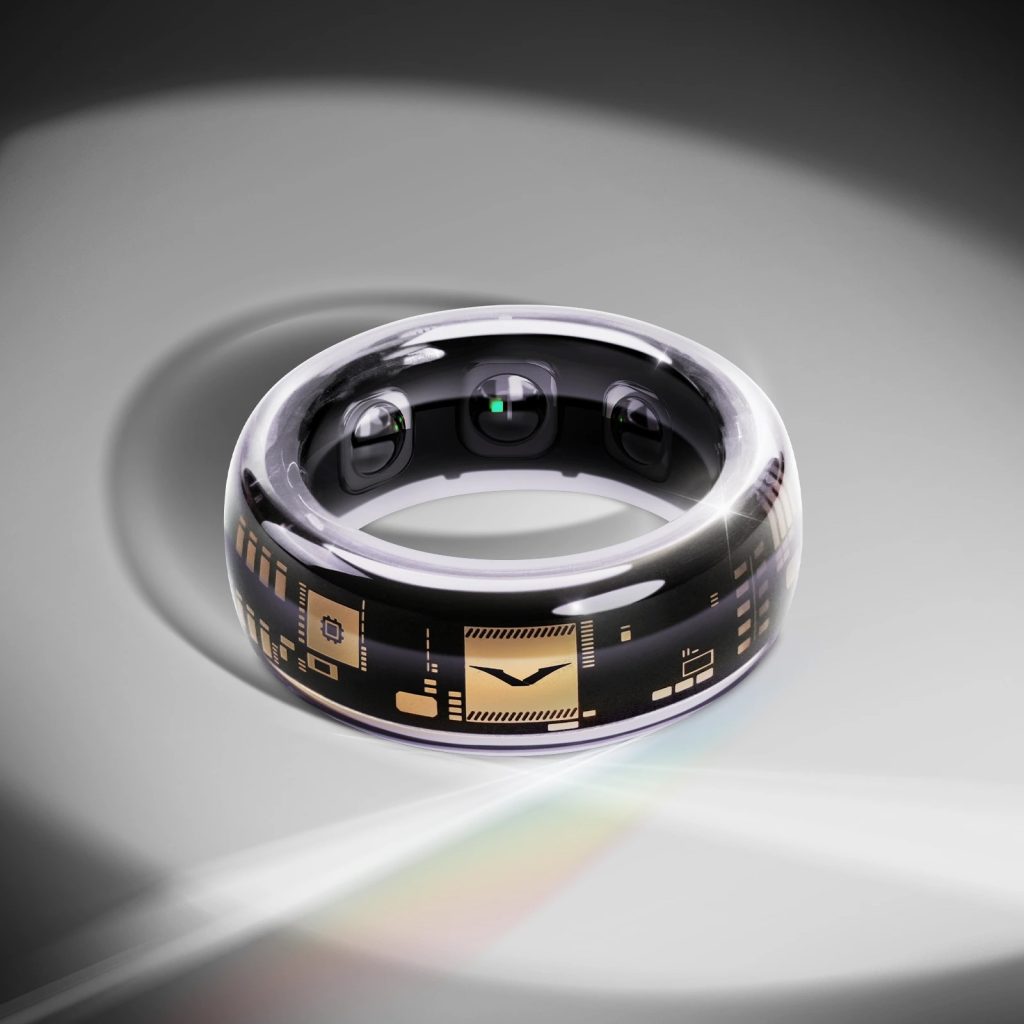
Smart technology is getting smaller and smarter. You’ve heard of smartwatches and fitness trackers, but have you heard of smart rings?
These tiny wearables are worn on your finger just like a regular ring, but they’re packed with powerful features that help you understand your body and live a healthier life.
From sleep tracking to heart rate monitoring, smart rings are making a big impact in the world of wellness.
But like any device, they have their pros and cons. For example, what are the disadvantages of smart rings?
Some people may find them uncomfortable, while others may worry about battery life or data accuracy. Still, many users believe the benefits outweigh the drawbacks.
Let’s take a closer look at how smart rings work and why they’re becoming such a popular tool for everyday wellness.
Tiny But Mighty: What Smart Rings Can Do
Don’t let the small size fool you—smart rings are packed with sensors that collect valuable health information. These rings usually connect to your smartphone through Bluetooth and sync data with an app. Once paired, the ring can track a wide range of health stats, including:
- Heart Rate: Smart rings measure your resting heart rate throughout the day and night. This helps you understand your stress levels and overall heart health.
- Sleep Tracking: Many people buy smart rings just for their sleep tracking abilities. These devices can monitor your sleep cycles, how long you stay in each stage, and even detect if you’re tossing and turning.
- Activity Tracking: Smart rings count steps, estimate calories burned, and even detect workouts like walking, running, or biking.
- Body Temperature: Some models track changes in your body temperature, which can help detect illness early or help women track their menstrual cycles.
- Blood Oxygen Levels (SpO₂): A few smart rings offer this feature, which tells you how much oxygen is in your blood—important for fitness and overall health.
Why People Love Wearing Smart Rings
People love smart rings for a few simple reasons: they’re sleek, easy to wear, and don’t get in the way. Unlike bulky smartwatches, smart rings are small and stylish. Some even look like regular fashion jewelry.
Here are a few reasons users are switching to smart rings:
- Comfort: Smart rings are lightweight and less noticeable than watches or wristbands.
- Long Battery Life: Many smart rings last up to 5 to 7 days on a single charge.
- Discreet Tracking: If you don’t like showing off fitness gear, a smart ring keeps things private.
- Focus on Sleep and Recovery: Smart rings are often more focused on wellness and recovery than competition or step goals.
Real-Life Uses for Smart Rings
Smart rings are more than just fancy step counters. They are tools that help you better understand your body and make smarter decisions about your health. Here are some real-life ways people are using them:
- Better Sleep Habits: By tracking sleep stages and patterns, users can change bedtime routines or reduce screen time to sleep better.
- Fitness Without the Hype: Unlike competitive fitness apps, smart rings quietly track progress and recovery, encouraging a balanced lifestyle.
- Stress Management: By monitoring heart rate variability (HRV), smart rings can help you understand when you’re stressed and when you’re calm.
- Early Health Warnings: Some users have reported spotting signs of illness before symptoms appeared, just from changes in body temperature or heart rate.
- Work-Life Balance: Tracking rest and recovery helps people avoid burnout by understanding when they need a break.
Are Smart Rings Right for You?
Smart rings are ideal for people who want to track their health in a simple, low-key way. If you don’t like wearing big devices or being constantly distracted by smartwatch notifications, a smart ring may be the perfect fit.
But they’re not for everyone. Some rings can be pricey, and not all offer the same features. They may also lack screens, meaning you’ll need your phone to view data. And not all rings are compatible with every phone model or operating system.
Before you buy, think about what you really want to track. If you’re mainly interested in sleep, heart health, or recovery, a smart ring might offer just the right balance of simplicity and science.
Final Thoughts
Smart rings are changing the way we think about wellness. With advanced features packed into a tiny device, they offer insights into your health that were once only possible with large medical tools or bulky wearables.
Whether you’re focused on sleep, fitness, or overall balance, a smart ring can be a powerful companion on your wellness journey.
As technology continues to improve, these little rings might just become the next big thing in personal health.